
Washer Shuts Off Randomly: What It Means
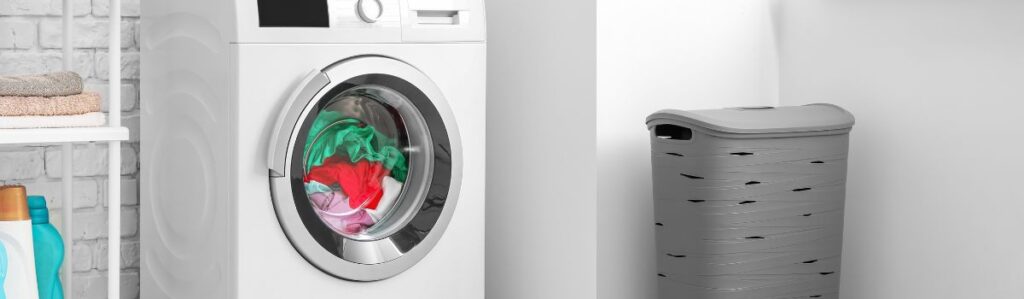
Why Your Washer Shuts Off Randomly – And What You Can Do About It
Your washer is in the middle of its spin cycle, and bam, it shuts off without warning. No error code, no satisfying beep, just dead silence. Now there’s soggy laundry sitting in a locked drum, and your whole day’s plans just shifted sideways.
If your washer keeps turning off randomly, it’s more than just annoying. It can ruin clothes, waste water, or hint at a bigger issue inside the machine especially if the built-in water heater in washer is overheating or malfunctioning. It’s a hassle, yes, but it’s also a warning sign you shouldn’t ignore. The good news is, most of the time, there’s a clear cause behind it. And if not? Well, you’ll know the signs before calling in the pros.
Power Supply Problems
Before you start pulling your washer apart or Googling parts to replace, start simple: the power supply. More often than not, a washer that shuts off randomly is just losing power, literally.
First, check the plug. A loose power cord can cause brief interruptions, which will shut the machine down mid-cycle without warning. Vibration from the spin cycle is enough to wiggle a poorly seated plug loose over time.
Next up, your circuit breaker. Washers pull a good amount of juice, especially in the spin cycle. If your breaker tripped, it’s not always dramatic; you might not even notice until the machine stops working. Flip the breaker off and back on to reset, just to be sure.
The outlet itself could be the source of the trouble. Outlets wear out, and cheap surge protectors can hiccup under load. Try plugging the washer into another outlet temporarily (safely, of course) to rule this out. If you’re using an extension cord, stop. They are known to cause voltage drops and power issues with high-draw appliances.
Finally, consider your home’s voltage stability. Fluctuations or overloads might not fry your washer, but they can confuse the control board or trip protection circuits that cut power before damage occurs. If the lights dim when the washer reaches spin speed, you may have a broader electrical issue.
Door/Lid Switch Issues
If your washer shuts off without warning, the door or lid switch might be the culprit. Most washers especially new models use a safety sensor to confirm the door is fully closed before starting or continuing a cycle. If that sensor doesn’t register the door correctly, the machine might not run at all, or worse, it could halt mid-cycle as if someone opened it.
Start with a quick check. Open and close the door firmly, listen for a solid “click.” That sound usually means the latch is appropriately engaged. If it’s loose, misaligned, or silent, the switch might be toast or just sticky from detergent residue or lint. Give it a quick wipe-down and see if that helps.
You can also test this visually on top-loaders by gently pressing down near the door hinge when the washer is running. If it kicks on with pressure, your lid switch is either out of position or worn down.
Before replacing the washer, unplug it and remove the top or front panel (depending on your model) to inspect the switch wiring. Worn connectors or a loose plug could be the issue, and reseating it might solve your problems without spending a dime.
Bottom line: if your washer acts like someone’s opening the door when no one is, the switch sensor could be the snitch.
Control Board or Timer Malfunctions
The control board (or timer, in older washer models) serves as the brain of your washing machine. It coordinates every part of the cycle: wash, rinse, spin, and drain.
What Happens When It Malfunctions?
If the control board starts acting up, your washer may:
- Shut off mid-cycle without warning
- Only malfunctions during specific wash settings
- Become unresponsive until rebooted (unplug-replug cycle)
These are signs that the washer is misfiring commands, starting and stopping processes erratically, or not responding at all.
Before You Blame the Control Board
Check a few simpler culprits first:
- Power supply issues
- Faulty door latch
- Overheating protection triggers
- Sensor malfunctions
If all of these check out and the issue persists, especially with no predictable pattern then it’s likely the control board or timer is to blame.
What to Do Next
- Check for diagnostic codes: Some modern washers will display error codes when the board is faulty. Use the manual or the manufacturer’s website to decode the message.
- Know your limits: Control boards and timers aren’t cheap or easy to replace. If you’re not familiar with electronics, don’t risk a DIY repair.
- Call a professional: When in doubt, a technician can confirm the diagnosis and replace the part safely.
Let me know if you’d like this written in a more technical, casual, or beginner-friendly tone!
Motor Overheating or Malfunction
Washers aren’t just water and spin, they’re machines hauling weight at high speed. That kind of work puts serious demand on the motor. When it overheats, many machines are programmed to shut down automatically. It’s not random, it’s protection. Running a hot motor risks permanent damage, so the washer pulls the plug on itself as a precaution.
If your washer turns off mid-cycle and then won’t start again for a while, the motor might be overheating. That pause gives it time to cool down. Wait 30 minutes, maybe more. If it starts again just fine, there’s your clue.
Motors don’t overheat for nothing. Check for issues such as overloaded drums, inadequate ventilation around the machine, or a worn drive belt that causes drag. Lint or detergent gunk can also clog up cooling vents or hamper the motor’s movement. Over time, even normal wear can lead to internal friction that generates heat quickly.
Drainage or Water Supply Interruptions
If your washer shuts off in the middle of a cycle, you might be dealing with a fundamental but critical issue: water can’t get in or can’t get out. Either one is enough to bring the machine to a standstill.
Start with the drain. A clogged filter or drain hose can prevent used water from exiting the drum. Some models will pause or shut down entirely if they detect standing water for an extended period. Unscrew the front or rear access panel (check your manual) and inspect the drain pump, hose, and filter for lint, coins, or mystery gunk. The fix might be as simple as pulling out a sock.
On the other hand, if the machine can’t fill appropriately, it also won’t run. A blocked or failing water inlet valve can mess with the flow. If the machine appears to pause early in the cycle or right after starting, check if the hoses are kinked, filters are clogged, or the valves that feed the washer are fully open. Also, listen: if you don’t hear the usual rush of water after hitting start, something’s off with the supply.
Pro tip: A washer that can’t move water doesn’t just stop working; it tries to protect itself. So, fixing the source of the blockage or restriction isn’t just about finishing today’s load; it’s about preventing motor burnouts or even water damage tomorrow.
Unbalanced Loads
When your washer shuts off mid-cycle, don’t overlook the simplest culprit: an unbalanced load. Washers are built to sense when things aren’t evenly distributed. If clothes are bunched to one side or you’ve tossed in one heavy item (like a wet towel) with a bunch of light ones, the drum can wobble dangerously during a spin. To prevent damage, the washer may pause or shut down entirely.
The fix? Load smarter. Spread clothes evenly around the drum. Pair that heavy hoodie or blanket with a few similar-weight items to keep the weight balanced. Avoid overloading, but also don’t run the machine nearly empty; it needs a little weight to stabilize itself.
If you’re loading properly but the issue keeps happening, dig deeper. Worn suspension rods or broken shock absorbers can make imbalance more likely, especially in top-load models. For front-loaders, check the drum bearings and support if the drum moves too freely when pushed; something inside may be loose. At that point, it’s not just about laundry habits; it’s time to look under the hood.
Sensor and Safety Features Kicking In
Modern washers are equipped with sensors designed to ensure a smooth and safe operation. But when these sensors misfire, they can bring your wash cycle to a dead stop, whether the machine sees a problem or just thinks it does.
Start with temperature sensors. If the washer believes the water is too hot or too cold for the selected cycle, it might shut down to avoid damage. Same deal with vibration and load sensors if the machine detects too much wobble or thinks the drum’s spinning off-center, it may stop mid-cycle to protect itself.
Sometimes, though, it’s not a real problem. It’s a sensor making a bad call because it’s loose, dirty, or just plain failing. A false signal can trick the system into thinking there’s a critical issue when everything’s actually fine.
If your washer turns off without warning and it’s not a power issue or a door not closing right, suspect the sensors. You can try unplugging the machine for a few minutes; this resets some models. Still acting up? Look for any error codes displayed. They’re tiny breadcrumbs leading you closer to a proper diagnosis.
Firmware or Software Glitches
If your washer is smart enough to sync with an app or talk to your Wi-Fi, then it’s running some level of onboard software. That’s great for features until a glitch shows up and suddenly your washer decides to stop mid-cycle for no clear reason.
Sometimes it’s just temporary confusion in the machine’s “brain,” and a full power cycle (i.e., unplugging it for a minute and then plugging it back in) is all it takes to get things back to normal. If your washer has a reset function in the menu, try that too.
Manufacturers occasionally release firmware updates to fix bugs or improve performance. If your washer connects to the internet, check the app or the manufacturer’s site to see if there’s an update waiting. Applying the newest software might eliminate weird behaviour.
If resets and updates don’t help, it could be a deeper software issue, and that’s when you’ll want to contact support or a technician familiar with your brand. Wrapping Up
A washer that shuts off randomly is more than just an annoyance; it’s a warning that something’s off. We’ve walked through the usual suspects: power hiccups, faulty door sensors, a motor calling for backup, clogged drains, or an unbalanced spin. Sometimes it’s a loose wire, other times it’s the washer’s brain (control board or firmware) misfiring.
The key is to eliminate the easy stuff first: check your plugs, clean the filters, rebalance the load. If that doesn’t cut it, you’re likely dealing with something deeper, like failing components or fried circuits. At that point, it’s worth calling in a pro before a small glitch becomes a wallet-crushing repair.
Catch issues early. Listen to your machine. And don’t ignore a washer that keeps quitting on you; it’s usually trying to tell you something.