
Easy Fix Guide for Washer Lid Alignment Issues in Chilliwack Homes
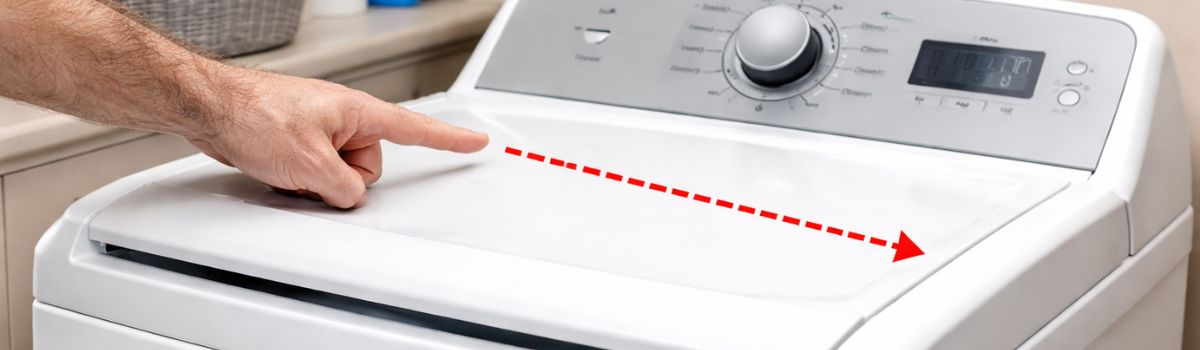
Washer lid alignment problems are a frequent issue in homes across Chilliwack. These problems often manifest as lids that don’t close properly, become stuck, or fail to latch securely. Such misalignments can disrupt washer performance, cause the machine to stop mid-cycle, or even pose safety hazards.
Proper lid alignment is crucial not only for the washer to function correctly but also to ensure user safety during operation. A misaligned lid can prevent the lid switch from activating, which is a key safety feature that stops the washer from running when the lid is open, and may also lead to issues such as motor keeps tripping breaker.
The main components involved in lid alignment include the hinges, which allow the lid to open and close smoothly; the lid switch, which detects whether the lid is closed; and the lid actuator, which interacts with the switch to signal the washer’s control system. Understanding these parts is essential when diagnosing and fixing lid alignment issues.
Understanding Washer Lid Components and Their Role in Alignment
Washer Lid Hinges
Washer lid hinges are crucial for maintaining the stability and proper alignment of the lid. They allow the lid to open and close smoothly while keeping it securely attached to the washer body. Over time, hinges can become damaged, loosened, or worn out due to regular use. When this happens, the lid may not sit correctly, leading to misalignment issues that can affect the washer’s performance.
Lid Switch
The lid switch plays a vital role in the washer’s operation by acting as a safety interlock. It detects whether the lid is fully closed and prevents the washer from running if the lid is open. A faulty lid switch can cause problems with the lid locking mechanism and contribute to alignment issues. If the switch does not properly sense the lid’s position, the washer may not start or may stop mid-cycle, indicating a problem related to lid alignment or locking.
Lid Actuator
The lid actuator is responsible for engaging the locking mechanism when the washer is in use. It ensures the lid stays securely closed during the washing cycle. If the lid actuator malfunctions, the locking mechanism may fail to engage correctly, resulting in lid misalignment or the lid not locking properly. This can cause the washer to stop operating or create safety concerns, as the lid may open unexpectedly during a cycle.
Diagnosing Washer Lid Alignment Issues
Identifying Symptoms
One of the first signs of washer lid alignment issues is the lid not closing properly or appearing misaligned. If the lid seems crooked or doesn’t sit flush, this can indicate a problem. Additionally, the washer may fail to lock or unlock as expected, which is often related to lid alignment. Users might also notice filling or spinning problems, as many washers won’t operate if the lid is not securely closed.
Inspecting Hinges
Check the hinges for any visible damage or looseness. Damaged hinges can cause the lid to sit unevenly, making proper closing impossible. Loose hinges may shift the lid out of its correct position, leading to misalignment. Carefully examine the hinge screws and connections, tightening or replacing parts if necessary to restore proper lid positioning.
Testing the Lid Switch
The lid switch is a critical component that signals the washer when the lid is closed. To test it, unplug the washer and access the switch assembly. Using a multimeter, check for continuity by pressing and releasing the switch. A faulty lid switch often causes the washer not to start or stop mid-cycle. If the switch fails the continuity test or exhibits inconsistent behavior, it needs replacement.
Checking the Lid Actuator
Visually inspect the lid actuator for signs of wear or damage. This part interacts with the lid switch and ensures it engages correctly when the lid closes. Functionally, try closing the lid slowly while observing if the actuator moves as expected. If the actuator is broken or stuck, the lid switch may not activate, causing operational issues. Replace any defective actuators to restore proper function.
Step-by-Step Repair and Replacement Guide
Fixing and Replacing Washer Lid Hinges
Tools required:
- Screwdriver set (Phillips and flathead)
- Needle-nose pliers
- Replacement hinges (specific to your washer model)
- Socket wrench set
Steps to remove and install new hinges:
- Unplug the washer to ensure safety.
- Open the washer lid and locate the hinge screws.
- Using the appropriate screwdriver, remove the screws securing the hinges to the lid and the washer body.
- Carefully detach the lid from the washer.
- Remove the old hinges from the lid by unscrewing or unclipping them.
- Attach the new hinges to the lid, ensuring they fit snugly.
- Reposition the lid onto the washer body and secure the hinges with screws.
Tips for proper hinge alignment:
- Before fully tightening screws, check that the lid opens and closes smoothly without wobbling.
- Adjust hinge positioning slightly if the lid does not sit flush with the washer body.
- Ensure all screws are tightened evenly to avoid misalignment.
Testing, Removing, and Replacing the Lid Switch
Safety precautions:
- Always unplug the washer before attempting any repairs to avoid electrical hazards.
- Wear insulated gloves if available.
Removing the lid switch:
- Open the washer lid and locate the lid switch, usually found near the hinge area.
- Disconnect the wiring harness connected to the switch.
- Remove any screws or clips holding the switch in place.
- Carefully remove the switch from its housing.
Replacement and testing:
- Install the new lid switch by securing it with screws or clips.
- Reconnect the wiring harness.
- Plug in the washer and perform a test cycle to ensure the lid switch is functioning properly the washer should not operate with the lid open.
Inspecting and Replacing the Lid Actuator
Accessing and evaluating the lid actuator:
- Unplug the washer.
- Open the lid and locate the actuator, which interacts with the lid switch.
- Check for visible damage, wear, or misalignment.
Replacement procedure:
- Remove any screws or fasteners securing the actuator.
- Detach the actuator carefully.
- Install the new actuator, ensuring it is correctly positioned to engage with the lid switch.
- Tighten fasteners securely.
- Test the lid operation to confirm proper alignment and functionality.
Proper alignment of the lid actuator is crucial for the washer to detect the lid’s position accurately and operate safely.
Summary and Additional Resources
Lid alignment issues in washers can cause a variety of problems, including locking malfunctions, spinning interruptions, and filling errors. Key signs to identify these issues include the washer lid not closing properly, unusual noises during operation, or the washer not starting or spinning as expected. Common fixes involve inspecting and adjusting the hinges, lid switch, and lid actuator to ensure they function correctly and align well.