
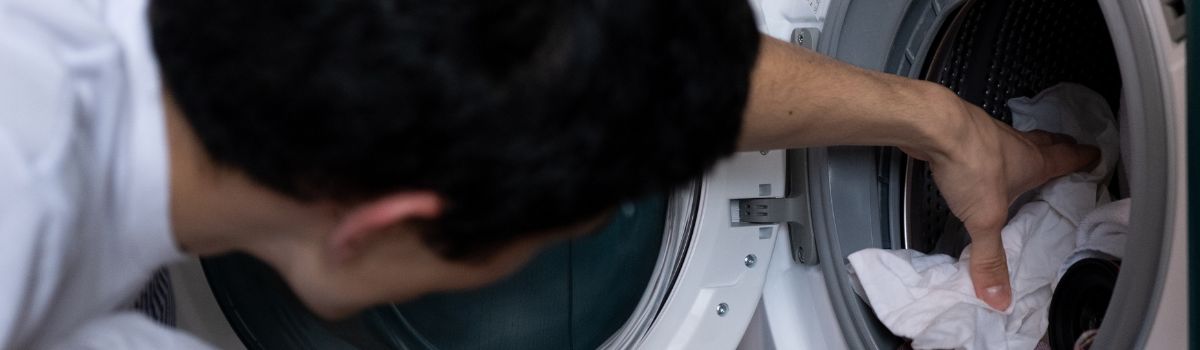
Professional Spin Cycle Repairs for Samsung Washing Machines in Surrey
Samsung washing machines are known for their advanced technology and reliable performance, making them a popular choice for households. A properly functioning spin cycle is crucial in these machines as it removes excess water from clothes, reducing drying time and improving washing efficiency. HE washers vs traditional washers also play a role in how effectively the spin cycle performs, with each type offering different benefits and challenges.
When the spin cycle malfunctions, it can lead to wet laundry, longer drying periods, and increased energy usage. These issues not only affect washing performance but also cause inconvenience for users who rely on their machines for daily chores.
This article aims to provide a comprehensive guide to diagnosing, troubleshooting, and servicing spin cycle problems specifically for Samsung washing machines in the Surrey area. Whether you are experiencing slow spins, no spin at all, or unusual noises during the cycle, this guide will help you understand the potential causes and solutions to get your washer back to optimal performance.
Understanding the Spin Cycle Functionality
How the Spin Cycle Works
The spin cycle in a Samsung washing machine is designed to remove excess water from clothes by rapidly spinning the drum. This process relies on several key components working together. The motor powers the drum to rotate at high speeds, while the drive belt transfers this power from the motor to the drum. Suspension rods and springs help stabilize the drum, absorbing vibrations and preventing excessive movement during the spin. Additionally, the water pump plays a crucial role by draining water from the drum before and during the spin cycle, ensuring optimal water extraction from the laundry.
Common Symptoms of Spin Cycle Problems
Several issues can indicate problems with the spin cycle in your Samsung washing machine. Loud noises during spinning often suggest worn or damaged suspension rods, springs, or a faulty drive belt. If the washer is not spinning at all, it may be due to motor failure, a broken belt, or issues with the water pump. Unbalanced or incomplete spin cycles are commonly caused by unevenly distributed laundry, faulty suspension components, or sensor malfunctions that prevent the washer from reaching the necessary spin speed.
Detailed Causes of Samsung Washing Machine Spin Cycle Issues
Mechanical Failures
Damaged Suspension Rods
Damaged suspension rods are a leading cause of loud spin cycle issues in Samsung washing machines, accounting for 39% of such problems. These rods help stabilize the drum during the spin cycle. When they wear out or break, the machine becomes unstable, causing excessive noise and potential damage due to uneven movement.
Failed Suspension Springs
Suspension springs support the drum and absorb vibrations. Failed suspension springs contribute to about 9% of loud spin cycle problems. When these springs lose tension or break, the drum may vibrate excessively, leading to loud noises and potentially affecting the washer’s balance.
Broken or Faulty Motors
The motor is critical for spinning the drum. Faulty or broken motors are responsible for 11% of loud spin cycle issues. Signs of motor failure include unusual noises during spinning, failure to reach proper spin speeds, or the spin cycle not starting at all. Motor problems can cause incomplete water extraction, leading to wet laundry.
Worn or Broken Drive Belts
Drive belts connect the motor to the drum. If these belts wear out or break, the washer may fail to spin or spin erratically. This can prevent the machine from completing the spin cycle effectively, leaving clothes wetter than normal.
Operational and User-Related Issues
Unbalanced or Overloaded Loads
One of the most frequent reasons for spin cycle failure and excessive noise is an unbalanced or overloaded load. When clothes are unevenly distributed, the washer struggles to maintain balance during the spin, causing loud noises or the cycle to stop prematurely. Properly redistributing clothes to balance the load often resolves these issues.
Faulty Door Locks
The door lock mechanism is a safety feature that prevents the spin cycle from starting if the door is not securely locked. A malfunctioning door lock can block the spin cycle entirely. Ensuring the door lock is functioning correctly is essential for the washing machine to operate normally.
Water Pump and Drainage Issues
Drainage problems can interfere with the spin cycle. If water does not drain properly, the washer may not enter the spin phase or may stop mid-cycle. Clogged or faulty water pumps and drainage systems are common culprits.
Safety Concerns
There are federal warnings regarding Samsung high-efficiency top-loading washers becoming dislodged during spin cycles, creating safety hazards. Promptly addressing spin cycle problems is important not only for machine performance but also to prevent accidents and ensure user safety.
Troubleshooting Spin Cycle Issues
Step-by-Step Diagnostic Guide
-
Checking and Redistributing the Load
An unbalanced or overloaded washing machine can cause spin cycle problems. First, open the door and evenly redistribute the clothes inside the drum. Avoid overloading the washer as this can prevent proper spinning. -
Inspecting Door Lock Functionality
The washing machine will not spin if the door lock is faulty. Check that the door closes securely and listen for the locking mechanism engaging. If the door doesn’t lock properly, the spin cycle may be interrupted. -
Examining the Drive Belt Condition
The drive belt connects the motor to the drum and enables spinning. Inspect the belt for signs of wear, cracks, or looseness. A damaged or slipping belt can prevent the drum from spinning at the required speed. -
Testing Suspension Rods and Springs
Suspension rods and springs help keep the drum balanced during spinning. If these components are broken or worn out, excessive vibration or failure to spin may occur. Inspect these parts and replace if necessary. -
Verifying Motor Operation
The motor powers the spin cycle. Listen for unusual noises or absence of motor sound during spin. If the motor is not running correctly, the machine will fail to spin and may require professional repair. -
Ensuring Proper Drainage and Water Pump Activity
The washer must drain water before spinning. Check if the water is draining properly and the pump is functioning. A clogged drain or faulty pump can prevent the spin cycle from starting.
Servicing Samsung Washing Machines in the Surrey Area
Finding Reliable Local Service Providers
When dealing with spin cycle issues in your Samsung washing machine, selecting a qualified local repair technician is crucial. Start by looking for professionals who specialize in appliance repairs, particularly those with experience in Samsung models. Check for relevant certifications, such as those from recognized trade organizations or appliance repair associations, to ensure the technician has the necessary skills.
Customer reviews are another valuable resource. Look for consistent positive feedback regarding punctuality, transparency in pricing, and quality of repairs. Local forums or community groups in the Surrey area can also provide recommendations based on firsthand experiences.
Samsung Official Support and Warranty Services
Samsung offers authorized repair centers throughout the Surrey area, providing expert servicing for their washing machines. Using these centers can ensure that genuine parts are used, and repairs meet the manufacturer’s standards.
If your washing machine is still under warranty, it’s important to understand what is covered. Samsung’s warranty typically includes repairs for manufacturing defects but may not cover issues caused by wear and tear or misuse. Contacting Samsung’s official support can help clarify your coverage and guide you through the process of scheduling warranty service.
Cost Considerations and Service Expectations
Repairing spin cycle problems in Samsung washing machines can vary in cost depending on the specific issue and required parts. On average, expect repair costs to range from moderate fees for simple fixes like motor brushes replacement to higher charges for major component repairs.
Diagnosis usually takes a few hours to a day, with repair timelines depending on part availability. Authorized service centers often provide faster turnaround times due to their direct access to Samsung parts. Always ask for an estimate before proceeding with repairs to avoid unexpected expenses.
Conclusion
Spin cycle issues in Samsung washing machines are often caused by problems such as unbalanced loads, faulty drain pumps, worn-out belts, or malfunctioning motors. Identifying these common causes early can prevent further damage to the machine.
Timely troubleshooting and seeking professional servicing in the Surrey area are crucial to resolving spin cycle problems effectively. Expert technicians can diagnose and fix issues accurately, ensuring your washing machine operates smoothly.
Regular maintenance and care of your washing machine not only extend its lifespan but also ensure safe and efficient performance. Keeping your appliance in good condition helps avoid unexpected breakdowns and costly repairs.