
Problems With Built-In Washer Water Heater
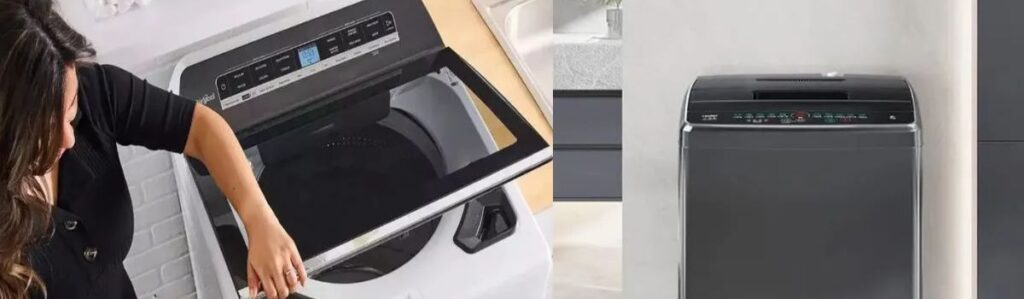
What Built-In Water Heaters Are (And Why They Exist)
A built-in washer water heater is exactly what it sounds like: a small electric heating element inside your washing machine that raises the water temperature, often to levels hotter than your home’s hot water supply. Instead of relying on your household water heater, the washer heats the water itself, right before each cycle – a setup that also helps clear up energy usage common myths for many homeowners.
Why Add a Heater Inside the Washer?
There are several practical reasons why manufacturers include built-in water heaters in washers:
Inconsistent Home Hot Water Supply
- Not all homes have reliable or sufficiently hot water.
- Older homes and apartments may offer only lukewarm “hot” water.
- This impacts cleaning performance, especially for: Towels, Workout gear, Baby clothes
Cold Climates & Groundwater Temperatures
- In colder areas, incoming water can be significantly cooler.
- Even “hot” water may arrive lukewarm due to cold pipes.
- Built-in heaters raise the temperature as needed, enabling high-temp cycles such as: Sanitize and Allergy Care
No Direct Hot Water Line
- Some setups only have a cold water line going to the washer.
- The built-in heater acts as an independent heating solution.
Advantages of Built-In Water Heaters
- Guarantee high water temperatures regardless of plumbing.
- It allows you to run specialized wash cycles effectively.
- Provide greater control over washing conditions.
What’s the Catch?
While not covered in detail here, it’s worth noting that built-in heating elements do come with trade-offs like higher energy usage or added complexity. But at their core, they promise one key benefit: consistently hot water, no matter what your home’s plumbing looks like.
Common Issues People Run Into
Takes Too Long to Heat
Here’s the thing: Built-in water heaters in washers aren’t exactly speed demons. Unlike your home’s dedicated hot water heater which is typically a much more powerful, central system these internal units are smaller and take a while to get up to temp. That delay can drag out your wash cycles. A “quick wash” starts feeling anything but quick if the heater’s slowly nudging cold tap water up to 140°F.
Also, that longer heat-up time isn’t free. You’re drawing more energy to power the internal element, especially if you’re running high-temp sanitizing cycles regularly, if you’re on a tight power budget (or just watching your utility bill), that adds up fast.
So what can you do about it? Two things: One, check if your washer is actually connected to a hot water line; many homes are plumbed for it, but the washer’s settings might default to heating cold water. Two, if your model lets you, tweak the wash cycle to use the home’s hot water instead of relying on the internal heater. Faster, cheaper, and less annoying.
Troubleshooting Steps You Can Try
Before calling the pros, there are a few things you can check yourself. First: the settings. Sounds obvious, but it’s surprisingly easy to accidentally run a cold wash when you meant hot. Make sure you didn’t select “Eco” or “Cold” mode without realizing it happens.
Next, take a look at the heating parts if you can. Limescale or sediment build-up, especially in hard water areas, can mess with performance. If your washer has an internal maintenance or self-clean cycle, run it. Those aren’t gimmicks; they’re designed to flush out the junk that interferes with proper heating.
Another quick move: unplug the washer, wait a minute, then plug it back in. A full power cycle can reset certain error codes or software hiccups. If your machine shows error messages or flashing lights, grab the manual or look up the code online. Some issues are minor and just need a reset; others mean you’ll have to dig deeper.
If none of the above gets you anywhere, go for the user manual. It’s not riveting reading, but it usually has a troubleshooting section that’s specific to your model. A few minutes there can save you the hassle (and cost) of a service call. Or at least make you sound smart when you do pick up the phone.
Things to Keep in Mind if You’re Buying One
Not all built-in washer water heaters are created equal. Some are faster, others are more efficient, and some just aren’t worth the hassle. Before you decide to buy, here are a few things to consider.
Do You Really Need It?
Ask yourself:
- Does your home already have a reliable hot water line?
- Are your laundry needs complex enough to justify built-in heating?
If yes, it might be worth the investment. If no, the built-in feature could be unnecessary (and expensive) overkill.
Consider the Maintenance Factor
Built-in heaters add complexity:
- More parts = more potential points of failure
- Risk of clogs or wear and tear over time
- May require specialized servicing
Think carefully:
Is the convenience of hotter water during your wash cycle worth the possibility of more maintenance?
Read the Fine Print on Warranty Coverage
Not all warranties are equally generous. Look especially for coverage details on:
- The heating element (usually most prone to issues)
- Overall parts and labor
- Duration (some offer 1 year, others 3 – 5 years)
A generous warranty could save you serious money if something goes wrong.
Don’t Just Think About the First Wash
Think long-term:
- Will this washer still suit your needs 3 – 5 years from now?
- Is the energy consumption and added maintenance worth the initial upgrade?
- Would a simpler model offer more reliability?
Good Practices to Avoid Problems Later
If you’ve got a washer with a built-in heater, you’ll want to stay ahead of maintenance. A little effort now beats dealing with cold surprise cycles or a full breakdown later.
First, run cleaning cycles regularly ideally once a month. Mineral buildup and detergent residue can mess with the heating element over time, especially if you’ve got hard water. A clean cycle clears that out before it becomes a problem.
Next, don’t overload your washer. Sounds like obvious advice, but it’s not just about strain on the drum. Too many clothes can trap water flow and screw with temperature control, making the heater work harder than it should (or not work at all).
Use a detergent that plays well with hot water. Some standard formulas break down in warm temps but go sticky under higher ones, leading to residue and buildup. Look for HE products rated for high-temp cycles.
Lastly, check for any firmware or software updates from your manufacturer. We’re in the age of smart washers, and sometimes a buggy cycle or heating delay is just bad programming waiting for a patch. It’s worth taking five minutes every few months to check if an update is available.
Keep it simple. Keep it clean. Your washer (and utility bill) will thank you.
Final Thoughts
Built-in washer water heaters sound like a great idea until they aren’t. When they work, they can help with sanitization, better detergent performance, and handling cold water supply issues. But when they don’t, they become one more thing to fix, usually hidden inside a machine not built for easy access.
Still, most of the problems you’ll run into are solvable. Heating element failures, sensor issues, and cold cycles kicking on by accident can all be diagnosed with a bit of reading and a patient hand. You don’t need a technician every time; sometimes, it’s just a firmware update or a mucked-up setting.