
How to Protect Your Clothes in the Washing Machine
To protect your clothes in the washing machine, sort them by fabric weight and colour, fasten zippers and buttons, wash in cold or lukewarm water, use a mesh bag for delicates, and never pack the drum past three-quarters full. Those five habits stop most of the pilling, fading, and stretching that happens in a normal wash cycle.
But here's the part the laundry blogs skip: sometimes it's not your technique. It's the machine. A cracked agitator fin or a limescale-crusted drum will shred clothes no matter how carefully you load them (I've pulled enough snagged cardigans out of drums to know the difference between user error and machine error on sight).
- Sort by fabric weight and colour before every load, not just darks versus lights
- Fasten zippers, hooks, and buttons so they don't snag other garments
- Wash cold or lukewarm. Cold protects fabric and colour, and modern detergent doesn't need heat to work
- Keep spin speed under 800 rpm for delicates and knitwear
- Load to three-quarters full, never past it. Clothes need room to move against water, not each other
- If holes or pilling appear on a well-cared-for load, check the machine before blaming the clothes

1. Sort before you load, every time
Colour separation stops dye transfer. Weight separation stops something else: heavy denim and towels beating up on lighter knits and blouses for forty-five minutes straight.
How to sort:
- Darks and brights away from whites and pastels
- Heavy fabrics (jeans, towels, hoodies) away from lightweight ones (blouses, t-shirts, activewear)
- Anything with embellishments (sequins, beading, hardware) washed alone or in a mesh bag
- New dark garments washed separately for the first two or three cycles, since that's when most dye bleeds out
Check the care label before you sort. It tells you the water temperature and cycle the manufacturer actually tested the garment against, not the one that seems reasonable.
2. Fasten everything that can snag
Zip up zippers. Do up buttons. Hook bra clasps. An open zipper is a metal cheese grater for forty-five minutes of tumbling, and it will find your favourite sweater every single time (this is not a coincidence, it is Murphy's Law wearing a hoodie).
Turn printed or embroidered garments inside out too. It keeps the print facing away from the friction and away from the drum wall.
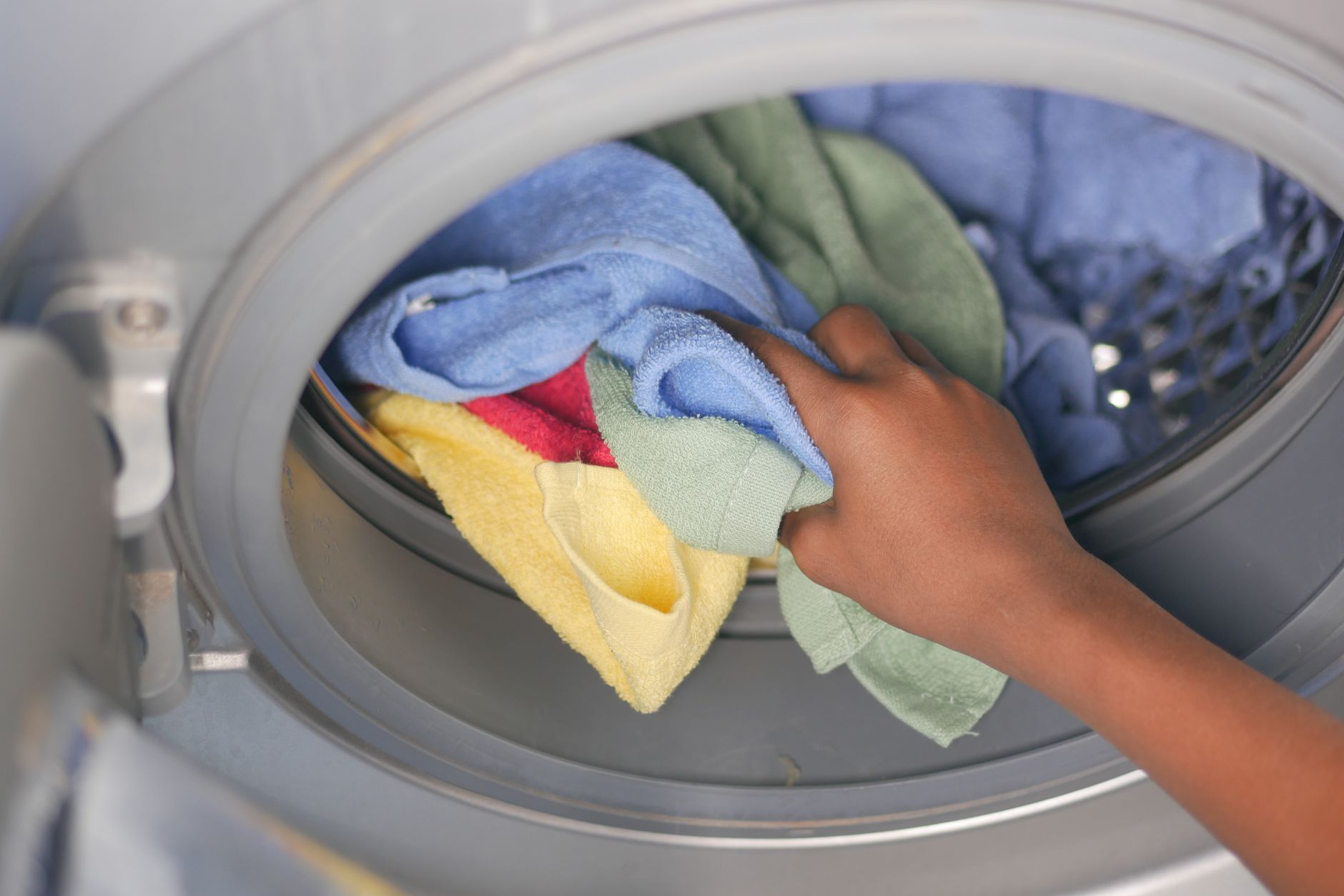
3. Pick the right water temperature and spin speed
Water temperature: cold or lukewarm for almost everything. Modern detergent is built for cold water, and cold protects colour, elastic, and natural fibres far better than hot. Save hot water for bedding, towels, and genuinely soiled loads that need sanitizing.
Spin speed: this is the setting nobody reads the manual for. High spin (1200 to 1600 rpm) is fine for heavy cottons and towels. For anything delicate, knitwear, or with elastic, drop it under 800 rpm. Yes, the clothes come out wetter. No, that is not a design flaw, that is the machine doing its job gently.
Most machines have a "delicate" or "hand wash" cycle that automatically sets both of these correctly. Use it. It exists specifically so you don't have to remember two separate numbers.
4. Mesh bags for anything delicate
A mesh laundry bag is the cheapest insurance you can buy for your laundry room. Bras, tights, lace, and knitwear go in, zip closed, and toss in with the regular load. It's a physical barrier between delicate fabric and everything else in the drum, including the zippers you just fastened in step two (they still snag things through fabric, they're just less of a menace with a mesh layer in the way).
They cost a few dollars and last years. There is no version of this tip that doesn't pay for itself the first time it saves a sweater.
5. Stop overloading the drum
Clothes need room to tumble through water and detergent. Pack the drum solid and they stop washing against water, they start washing against each other, and that friction is what pills sweaters and thins out seams over time.
The test: if you can't lay a flat hand on top of the load with the door closed, it's too full. Split it into two loads instead.
Overloading is also the single fastest way to throw a drum off balance, which strains the bearings and the suspension. That's a laundry problem today and a repair call in a year (we see this pattern often enough that we can usually guess the load size before we even open the machine).
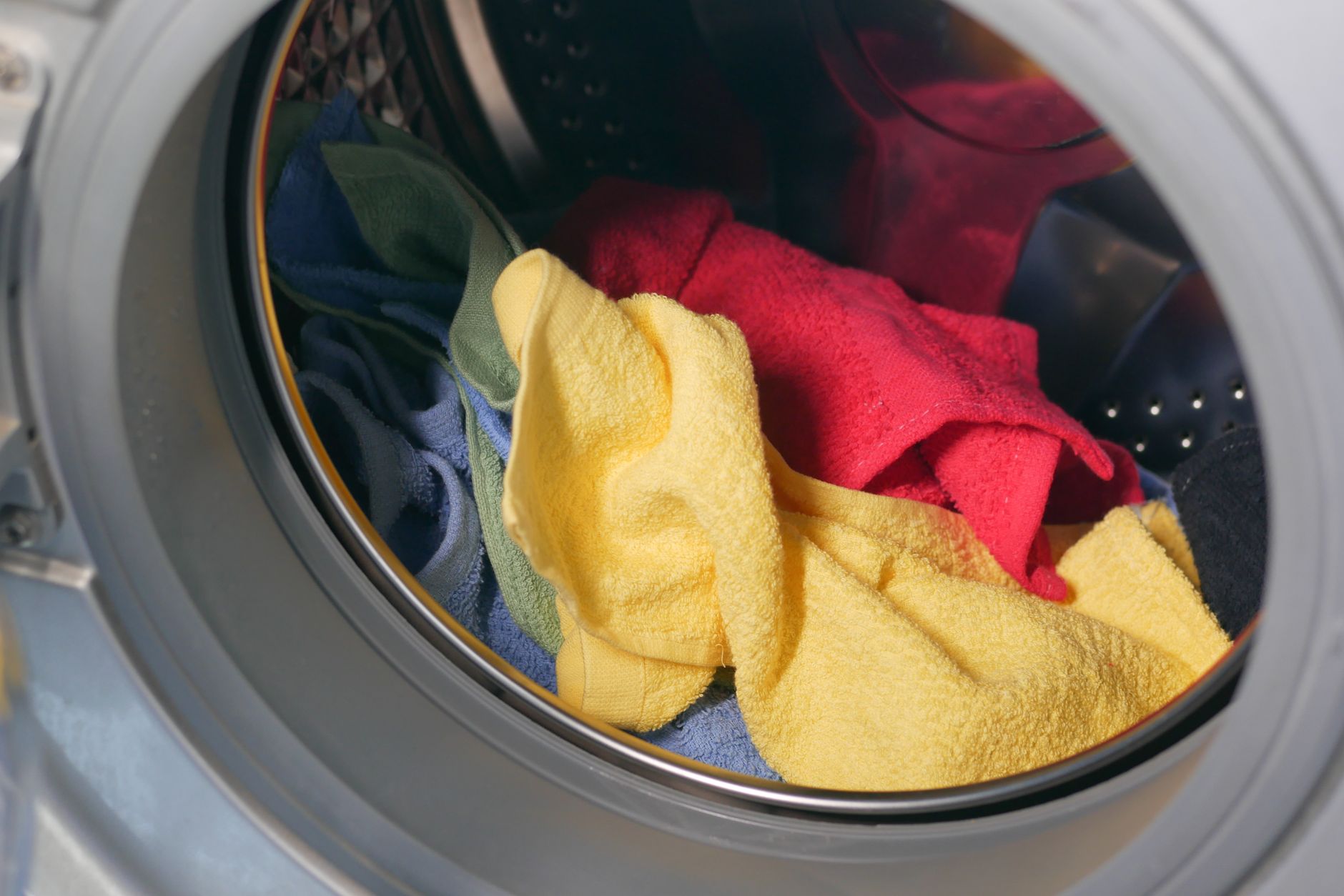
6. When it's not you, it's the machine
Here's the opinion nobody selling detergent will tell you: good laundry habits can't fix a bad machine. If clothes keep coming out with new holes, greasy marks, or a musty smell no matter how carefully you sort and load them, the machine is the problem, not your technique.
What actually causes this:
- Hard water buildup. In the Fraser Valley, water hardness runs above the provincial average, so limescale builds up faster in the drum, detergent drawer, and heating element than the manual assumes. That mineral crust can transfer grey residue onto fabric. Descale more often than the manual says if you're in Abbotsford, Chilliwack, or Langley.
- A damp front-load gasket. Leave the door closed after a cycle and the rubber seal stays wet, which grows mould. Mould in the gasket transfers a musty smell to every load after and runs $300 to $400 to replace. Leave the door open about 10 cm after every wash. It's free.
- A cracked agitator or rough drum spot. This is a mechanical fault, not a laundry mistake, and it will put a hole in the same style of garment over and over until someone looks at the drum.
If you've fastened your zippers, used a mesh bag, kept the load reasonable, and clothes are still coming out damaged, stop blaming your folding technique and have someone look at the machine. Nine times out of ten it's one of the three things above, and none of them require replacing the appliance.
For a deeper look at the mechanical side of things, our washing machine repair page covers the most common faults we see across the Lower Mainland, and our guide on goes into the gasket problem in more detail. If hard water is a factor where you live, our piece on covers descaling frequency for washers and dishwashers.
Max is a certified appliance repair technician with 20 years of experience serving Port Coquitlam and the Lower Mainland. He is the lead technician at ElectraFix Appliance Repair Ltd., and has pulled more stray socks out of pumps than he cares to count.
Frequently Asked Questions
Why does my washing machine put holes in my clothes?
Holes usually come from a snag point, not the fabric itself. A cracked agitator fin, a rough spot on the drum, or a stray zipper pull can catch fabric on every spin cycle. If new holes keep appearing in the same style of garment, check the drum and agitator for damage before blaming the clothes.
Is cold water actually bad for getting clothes clean?
No. Modern detergent is formulated to work in cold water, and cold water is gentler on fabric, colour, and elastic than hot. Hot water has its place for heavily soiled loads or sanitizing, but for everyday laundry, cold to lukewarm protects clothes better and shrinks your energy bill in the process.
Should I always use the highest spin speed to dry clothes faster?
No. High spin speeds above roughly 1000 rpm are fine for towels and heavy cottons, but they stress delicate fibres and knitwear. Use a lower spin speed, generally under 800 rpm, for anything delicate. It takes a little longer to dry, but the fabric survives more cycles.
How full is too full for a washing machine load?
If you can't fit a flat hand on top of the load with the door closed, it's too full. An overloaded drum can't let clothes move freely, so instead of washing against water and detergent, they wash against each other. That friction is what pills sweaters and thins seams.
Do mesh laundry bags actually protect clothes, or are they a gimmick?
They work. A mesh bag keeps bras, tights, and knitwear from tangling with zippers, buttons, and heavier fabrics during the spin cycle. It's a two-dollar barrier against the single most common cause of snagged delicates.
Can a dirty washing machine damage clean clothes?
Yes. Mineral buildup from hard water and grime trapped in the detergent drawer or door gasket can transfer to fabric during the wash, leaving grey residue or a musty smell that no amount of detergent fixes. Wipe the gasket and run an empty hot cycle with a washer cleaner monthly.
ElectraFix Appliance Repair Ltd. - Port Coquitlam and the Lower Mainland