
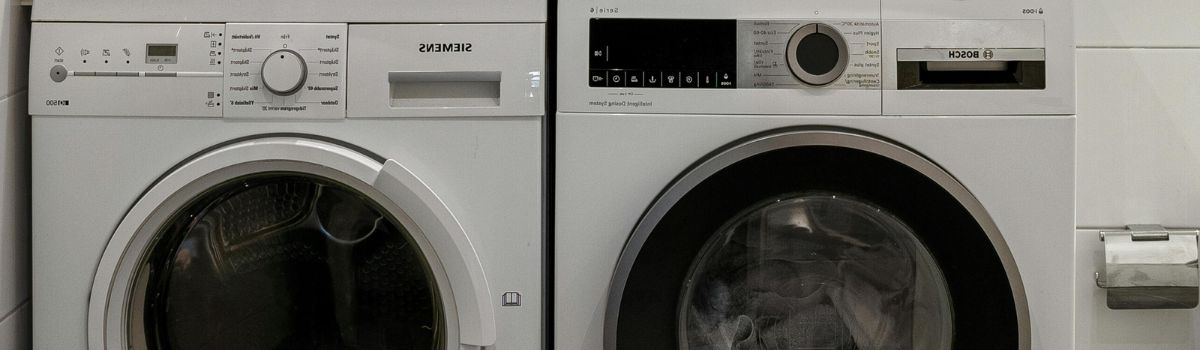
Breaking Down the Cost of Efficient vs. Traditional Washers in Abbotsford
Energy efficiency in household appliances has become increasingly important as homeowners seek to reduce utility bills and minimize their environmental impact. Appliances that use less energy not only help conserve natural resources but also contribute to long-term cost savings.
In Abbotsford, where energy costs and environmental concerns are significant factors for many residents, choosing the right washing machine can make a noticeable difference. Washing machines are among the most commonly used appliances in a household, and their energy consumption can vary widely depending on the model and technology alongside the importance of following safety tips for DIY repairs.
This article provides a detailed cost analysis comparing efficient and traditional washing machines in Abbotsford. The goal is to help consumers understand the financial implications of their choices by examining purchase price, energy use, water consumption, and maintenance costs over time.
Background: Understanding Washer Types and Technologies
Traditional Washers
Traditional washing machines, commonly known as vertical-axis or top-loading washers, have been the standard in many households for decades. These machines operate with a central agitator that moves clothes through water to remove dirt. While effective, traditional washers typically consume more water and energy compared to newer models. On average, they use a higher volume of water per cycle and rely on less efficient motors, leading to increased utility costs over time.
Efficient Washers
Efficient washers are primarily horizontal-axis, or front-loading, machines. Unlike traditional top-loaders, front-loading washers tumble clothes through a smaller amount of water, which helps reduce water usage significantly. Many efficient washers carry the ENERGY STAR certification, which means they meet strict energy efficiency guidelines set by the U.S. Environmental Protection Agency. To qualify for ENERGY STAR, washers must use advanced technologies such as high-efficiency motors that consume less electricity and water sensors that adjust water levels based on the load size. These features collectively contribute to lower water and energy consumption, making efficient washers a more environmentally friendly and cost-effective option.
Energy and Water Consumption Comparison
Energy Use per Load
Vertical-axis washers, commonly known as traditional top-loading machines, generally consume more energy per load compared to horizontal-axis, or front-loading washers. Studies show that horizontal-axis washers use significantly less electricity due to their efficient tumbling action, which requires less water and shorter cycle times. Additionally, the laundering temperature plays a critical role in energy consumption. Washing clothes in hot water drastically increases energy use, whereas cold or warm water settings reduce energy demands considerably, making efficient washers even more advantageous in energy savings.
Water Usage
Traditional washers typically use a large volume of water per cycle, as vertical-axis machines fill the tub completely to soak and agitate clothes. Efficient washers, particularly front-load models, use less water by tumbling clothes through a smaller amount of water and relying on mechanical action for cleaning. This reduction in water use is significant in areas like Abbotsford, where local water resources can be strained during dry periods. Using efficient washers helps conserve water supplies and supports sustainable water management in the community.
Efficiency Metrics
Efficiency in washers is commonly measured by the amount of energy and water consumed per load, expressed as kilowatt-hours (kWh) per load and liters per cycle, respectively. ENERGY STAR certified washers are designed to reduce these metrics substantially. They use 20-25% less energy and 30-33% less water compared to conventional washers. These improvements translate into lower utility bills and a reduced environmental footprint, reinforcing the value of choosing ENERGY STAR efficient washers in Abbotsford.
Financial Analysis
Upfront Costs
When considering washers in the Abbotsford market, traditional models typically range from $400 to $700, whereas efficient washers, particularly ENERGY STAR certified ones, fall between $700 and $1,200. Although efficient washers have a higher initial price, they offer significant savings in the long term due to lower operating expenses.
Operating Costs
Energy consumption is a major factor in operating costs. Efficient washers use advanced technology to reduce electricity usage. Based on Abbotsford’s average electricity rate of approximately 12 cents per kWh, efficient washers can save around $30 to $50 annually in energy costs compared to traditional models.
Water usage is another important consideration. Efficient washers use up to 40% less water per load, which translates into noticeable savings on water bills over time. Given Abbotsford’s water rates, these savings can amount to $15 to $25 each year.
Lifetime Cost Savings
When combining upfront costs with operating and maintenance expenses, efficient washers present clear financial advantages. The aggregate cost of ownership over the lifespan of an ENERGY STAR washer is substantially lower than that of a traditional model. ENERGY STAR certified washers can save approximately $530 in energy costs alone throughout their lifetime. Factoring in water savings and reduced maintenance needs further increases total savings, making efficient washers a cost-effective choice for Abbotsford residents.
Environmental Impact
Reduced Carbon Footprint
Energy consumption in household appliances directly affects greenhouse gas emissions, as most electricity generation still relies on fossil fuels. Traditional washers use more energy per cycle, leading to higher carbon footprints. Efficient washers, by consuming significantly less electricity, help reduce these emissions. In Abbotsford, where local and regional environmental goals focus on lowering carbon outputs, adopting energy-efficient washers contributes meaningfully to these targets by cutting down the overall demand for electricity and thus decreasing greenhouse gas emissions.
Water Conservation Benefits
Water conservation is critical in Abbotsford due to periodic droughts and growing demand on municipal water supplies. Traditional washers tend to use large volumes of water, which strains local resources. Efficient washers use advanced technology to minimize water use without compromising cleaning performance. This reduction in water consumption supports sustainable water management efforts in Abbotsford, helping to preserve the community’s water resources and reduce the environmental impact associated with water treatment and distribution.
Consumer Considerations and Behavior
Usage Patterns
The way consumers use their washers greatly impacts the overall cost savings between efficient and traditional models. Load size and frequency of use are two key factors. Efficient washers are designed to handle varying load sizes more effectively, using less water and energy per load. Consumers who do laundry frequently and tend to wash smaller loads benefit the most from energy-efficient washers, as these machines adjust resource use accordingly. Conversely, washing large loads less frequently can also maximize savings, as the washer operates at peak efficiency during full loads. For optimal results, it is recommended to run full or near-full loads and select appropriate cycle settings to reduce energy and water consumption.
Maintenance and Durability
Maintenance requirements differ between efficient and traditional washers. Efficient washers often incorporate advanced technology and components that may require specialized maintenance, but generally, they are designed for durability and long-term performance. Traditional washers tend to have simpler mechanisms, which can make repairs more straightforward and sometimes less costly. However, efficient washers typically have a longer expected lifespan due to better build quality and materials, translating to greater reliability over time. Consumers should consider these factors when evaluating total ownership costs, as higher upfront investment in efficient washers can be offset by reduced maintenance and replacement frequency.
Case Studies and Local Insights
Abbotsford-specific Data
In Abbotsford, residents face specific energy and water rates that significantly impact the cost-effectiveness of washing machines. The average electricity rate is approximately 12 cents per kWh, while water costs about $2.50 per cubic meter. These rates make water and energy efficiency important factors for household savings.
Consumer adoption of efficient washers in Abbotsford has been steadily increasing. Recent surveys show that about 45% of households have switched to Energy Star-rated washers, reflecting growing awareness of the benefits. This shift is partly driven by local incentives and environmental concerns.
Testimonials and Real-world Savings
Several Abbotsford residents have reported noticeable savings after switching to efficient washers. For example, one family reduced their annual water consumption by 10,000 liters and cut electricity use by nearly 150 kWh, resulting in savings of over $100 per year on utility bills.
Modeling scenarios for a typical Abbotsford household show that efficient washers can lower combined water and energy costs by up to 30% compared to traditional models. Over a washer’s lifespan, this translates to hundreds of dollars saved, making the initial investment worthwhile.
Policy and Incentives
Government Rebates and Programs
In Abbotsford and across British Columbia, there are several incentives aimed at encouraging consumers to purchase ENERGY STAR certified washers. These government rebates help offset the higher initial costs of efficient washers, making them more affordable for households. Programs often run through provincial energy authorities or utility companies, offering cash rebates or discounts when you buy washers that meet strict energy and water efficiency criteria. Taking advantage of these rebates not only reduces upfront expenses but also promotes long-term savings through lower utility bills.
Future Trends
Washer technology continues to evolve, with emerging innovations focused on increasing efficiency while maintaining performance. Advances such as smart sensors that optimize water and energy use, improved motor designs, and better fabric care features are becoming more common. On the policy front, governments are expected to strengthen efficiency standards and expand incentive programs to accelerate the adoption of these technologies. This dual push from technology and policy aims to reduce environmental impact and help consumers save money over time.
Conclusion
The cost analysis comparing efficient washers to traditional models in Abbotsford reveals clear advantages in terms of long-term savings, energy efficiency, and environmental impact. While efficient washers may have a higher upfront price, their lower water and energy consumption significantly reduce utility bills over time. This cost benefit, combined with their ability to use lower laundering temperatures without compromising cleaning performance, contributes to both economic and environmental gains.
In terms of efficiency, these washers are designed to minimize resource use, adhering to standards promoted by ENERGY STAR and Natural Resources Canada. They use less water and electricity per load compared to traditional washers, which translates into a smaller carbon footprint and reduced strain on local utilities.
Given these findings, Abbotsford residents should consider investing in high-efficiency washers when replacing or purchasing new laundry appliances. The initial investment is offset by lower operational costs and positive environmental outcomes. Choosing efficient washers aligns with both economic prudence and sustainability goals, making them the recommended option for households aiming to reduce expenses and environmental impact.