
Common Maintenance Issues in Front-Load vs. Top-Load Washing Machines
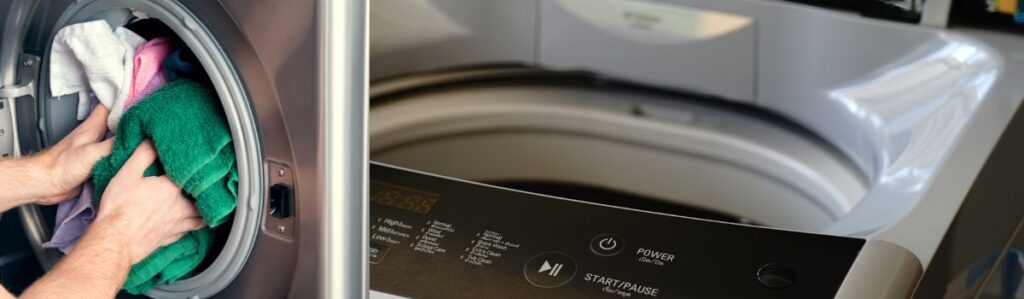
Front-Load vs. Top-Load: Common Washer Issues
Choosing the right washing machine goes beyond evaluating features like load capacity and cycle options. One crucial aspect many overlook is the maintenance each type requires. Washing machine spare parts play a vital role in keeping your appliance in top condition. Front-load and top-load washing machines each have unique maintenance needs that significantly affect performance, lifespan, and overall ownership costs. Ignoring these maintenance requirements can lead to more frequent breakdowns and higher repair bills.
This comprehensive guide will explore key differences between these washer types, common maintenance challenges, and actionable tips to keep your appliance running smoothly for years. By understanding these aspects, you’ll make an informed decision that suits your lifestyle and maintenance preferences.
Key Differences Between Front-Load and Top-Load Washing Machines
Design and Operation
Front-load washers feature a horizontally oriented drum, relying on a tumbling motion where gravity helps move clothes through water and detergent. This design reduces water and energy consumption, making front-loaders popular among eco-conscious users. However, the design also means that water tends to pool in certain areas, leading to moisture retention issues if not properly maintained.
In contrast, top-load washers come with a vertical drum and either an agitator or impeller to move clothes through water. Agitator models are often more affordable and have shorter wash cycles but can be rougher on fabrics. Impeller models are gentler and more water-efficient. The vertical design also means that top-load washers dry out faster, reducing the chances of mold and mildew.
Common Usage Habits That Affect Maintenance
User habits have a significant impact on maintenance requirements. Front-load washers require users to leave the door open between loads to allow moisture to evaporate, preventing mold growth. Using the correct amount of high-efficiency (HE) detergent is also critical, as excess soap can lead to buildup.
Top-load washers, while generally easier to keep dry, need proper load balancing. Uneven loads can strain the suspension system, causing vibrations that might damage the washer over time. Understanding these habits helps reduce the frequency of maintenance and prolongs the machine’s lifespan.
Front-Load Washing Machines: Common Maintenance Issues
Mold and Mildew in Door Gasket
Front-load washers are especially prone to mold and mildew buildup around the door gasket due to their airtight design. Moisture and detergent residues trapped in this area provide a perfect breeding ground for bacteria and mold, leading to unpleasant odors and potential health risks.
To prevent this, clean the gasket regularly with a mixture of vinegar and water. After each wash, leave the door slightly ajar to allow air circulation. Running a hot water cleaning cycle with specialized washer cleaning tablets once a month also helps eliminate any lingering bacteria.
Drainage Issues and Blockages
Drainage problems occur when debris, lint, or small objects clog the pump filter. A slow-draining washer or standing water in the drum are signs of this issue. Unaddressed blockages can lead to more severe problems like pump failure, resulting in expensive repairs.
Clean the pump filter monthly. Locate the filter, usually behind a small access panel at the washer’s front, and remove any debris. Performing this routine task ensures efficient water drainage and reduces the risk of damage.
Bearing Wear and Drum Noise
Bearings support the drum during operation. Over time, heavy loads and high-speed spins can wear them out, causing the washer to produce a loud, rumbling noise during cycles. This issue, if ignored, can lead to complete drum failure.
Early intervention is key. If you notice unusual noises, stop using the machine until a professional can inspect and replace the bearings. Timely maintenance can save significant repair costs.
Door Seal Leaks
The door seal, or gasket, is essential for preventing leaks. However, it can become brittle or torn due to age or frequent use. Regularly inspecting the gasket for signs of wear and promptly replacing it ensures that water doesn’t escape during cycles, protecting your laundry area from water damage.
Top-Load Washing Machines: Common Maintenance Issues
Agitator Malfunctions
In agitator-equipped top-load washers, the agitator can become misaligned or damaged over time. Symptoms include reduced spinning performance and unwashed clothes.
Troubleshooting involves checking for loose components and ensuring the agitator moves freely. If the agitator is damaged, replacing it can restore optimal performance without needing extensive repairs.
Unbalanced Loads and Vibration
Top-load washers can vibrate excessively if clothes are loaded unevenly. Persistent vibrations can damage the suspension system, leading to costly repairs.
To prevent this, distribute clothes evenly around the drum. Avoid washing heavy items like blankets alone, as they can cause imbalance. Use cycle settings appropriate for the type of load to minimize strain on the machine.
Water Filling and Drainage Problems
Top-load washers may face issues with water filling and drainage due to clogged inlet valves or hoses. If water enters the drum slowly or doesn’t drain properly, inspect these components for blockages.
Regular maintenance involves checking hoses for kinks and cleaning filters. These simple tasks can prevent more serious mechanical issues that require professional intervention.
Lid Switch and Lock Failures
If the washer fails to start or stops mid-cycle, the lid switch or lock might be malfunctioning. This safety feature ensures the lid is closed during operation.
Testing the switch with a multimeter and replacing it if necessary restores normal function. This easy fix prevents cycle interruptions and extends the machine’s life.
Front-Load vs. Top-Load: Side-by-Side Maintenance Comparison
- Mold Prevention: Front-loaders require more attention to gasket cleaning and ventilation; top-loaders are less prone but still need periodic cleaning.
- Accessibility for Repairs: Top-load washers are easier to service due to simpler internal components.
- Frequency of Professional Maintenance: Front-load washers typically need more frequent professional attention due to gasket and drum issues.
- Repair Costs: Front-load washer repairs tend to be costlier, especially for drum-related issues, while top-load repairs are generally more affordable.
This comparative analysis provides readers with the necessary information to choose a washer that aligns with their maintenance preferences.
Proactive Maintenance Tips for Both Washer Types
Regular Cleaning Schedules
Wipe down drums, dispensers, and gaskets weekly. Run a cleaning cycle with washer cleaning tablets monthly to prevent residue buildup. Consistent cleaning routines keep the machine running efficiently and odor-free.
Detergent Choices
High-efficiency (HE) detergents produce fewer suds and reduce residue, especially crucial for front-load washers. Using the appropriate detergent preserves internal components and prevents buildup.
Best Practices for Loading
Avoid overloading to reduce strain on the motor and drum. Distribute loads evenly to prevent vibrations that damage the suspension system. Follow manufacturer guidelines for load sizes to enhance performance.
Seasonal Maintenance Checks
Conduct thorough inspections of hoses, valves, and drum support systems at least twice a year. Look for signs of wear or leaks to address issues before they escalate into expensive repairs.
FAQs
How often should I clean my front-load washer?
Clean the gasket and run a cleaning cycle monthly to prevent mold buildup and ensure efficient operation.
Can top-load washers develop mold too?
Yes, especially in the drum and detergent dispensers. Regular cleaning prevents mold growth and maintains hygiene.
What are the most expensive maintenance issues for each type?
Front-load washers often face costly bearing replacements, while top-load models may incur high repair costs due to agitator or suspension failures.
How do I know if I need professional servicing?
Unusual noises, persistent leaks, or cycle failures indicate the need for professional diagnostics and repairs. Early intervention saves on long-term costs and ensures safe operation.
Conclusion
Understanding the unique maintenance needs of front-load and top-load washing machines allows you to choose the best option for your home. Front-load washers demand diligence in mold prevention and gasket care, while top-load models require attention to balancing and mechanical components. Implementing proactive maintenance strategies extends the appliance’s lifespan and minimizes repair expenses, providing long-term savings and optimal performance.