
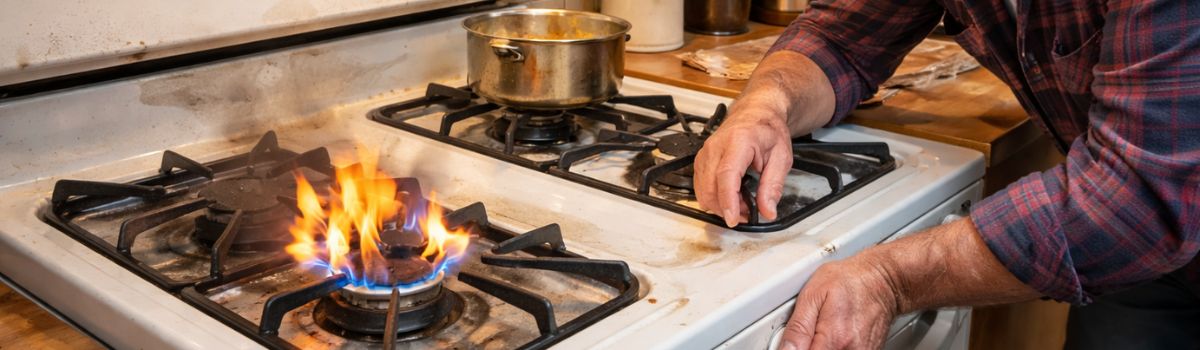
Common Stove Burner Problems in Older Chilliwack Homes
In older homes across Chilliwack, stove burner issues are a common concern that many homeowners face, often requiring chilliwack stove burner repair for major brands to address persistent problems. These issues often stem from the age of the appliance combined with the unique characteristics of older home infrastructure. Over time, burners may become less efficient, fail to ignite properly, or exhibit uneven heating, which can impact both cooking performance and safety.
Understanding the relationship between the age of your stove burner and the condition of your home’s electrical or gas systems is crucial. Older wiring, outdated gas lines, and wear and tear on the burner components can all contribute to recurring issues. Being aware of these factors helps homeowners make informed decisions about repairs, maintenance, or replacement, ultimately ensuring a safer and more efficient cooking environment.
The Appliance Age Gap and Its Impact on Stove Burners
Understanding the Appliance Age Gap
The appliance age gap refers to the common situation where older homes feature a mix of outdated and modern kitchen appliances. For example, a kitchen might have a brand-new refrigerator paired with a stove burner that’s several decades old. In many Chilliwack homes, this blend happens when homeowners upgrade certain appliances over time without replacing the entire kitchen setup.
Hidden Problems Arising from Age Discrepancies
Electrical Issues
Older homes in Chilliwack often have outdated electrical systems, including aluminum wiring, which can pose significant risks to stove burners and other appliances. These older wiring systems may not handle the electrical load required by modern or even aging appliances effectively. This can lead to erratic appliance functionality or even electrical faults that compromise safety and performance.
Safety Risks
Mixing old and new appliances can increase the risk of fire hazards. Deteriorating stove components combined with incompatible appliance integration can cause overheating, short circuits, or sparks. These issues significantly raise the chances of electrical fires in residential kitchens. According to local appliance repair experts, warning signs such as flickering burners or unusual smells should never be ignored as they could indicate serious hazards. Electrical appliance fires remain a notable concern in residential settings.
Consequences for Homeowners in Chilliwack
Homeowners face costly repairs due to appliance malfunctions and electrical failures arising from the appliance age gap. Additionally, homes with outdated or unsafe appliances may suffer from decreased market value. Potential buyers often view such issues as red flags, increasing the difficulty of selling the home at a desirable price.
Specific Stove Burner Issues in Older Chilliwack Homes
Common Stove Burner Malfunctions
Older homes in Chilliwack often face several stove burner issues, with uneven heating and burner failure being among the most frequent. Over time, burners can become clogged with food debris or rust, leading to inconsistent flames and inefficient cooking. Ignition problems are also common, where the burner fails to light properly or at all. Additionally, gas leaks pose a serious risk, often resulting from worn-out connections or deteriorated seals in older gas stove models. These malfunctions not only disrupt daily cooking but also present safety hazards.
Gas Stove Concerns: Carbon Monoxide Risks
Gas stoves in older homes can produce carbon monoxide (CO), a colorless and odorless gas that results from incomplete combustion of natural gas. When burners are not functioning correctly or ventilation is inadequate, CO can accumulate to dangerous levels indoors. Exposure to carbon monoxide is hazardous, leading to symptoms such as headaches, dizziness, nausea, and in severe cases, poisoning or death. Given these risks, regular inspections of gas stoves are crucial to ensure proper operation and to detect leaks or incomplete combustion early. Installing carbon monoxide detectors is equally important to provide an early warning system, protecting residents from this silent danger.
Electrical System Challenges in Older Homes
Outdated Wiring and Infrastructure
Many older homes in Chilliwack still have aluminum wiring, which poses significant hazards. Aluminum wiring is more prone to corrosion and can cause loose connections, increasing the risk of electrical fires. This is a common issue in homes built before the 1970s and remains a critical safety concern today.
Additionally, older electrical systems were not designed to handle the power demands of modern kitchen appliances. The integration of these appliances can easily cause electrical overloads, potentially leading to tripped breakers, damaged equipment, or even fires.
Solutions and Upgrades
To address these challenges, it is essential to have a professional electrical system assessment in older homes. Certified electricians can inspect the wiring and the overall electrical infrastructure to identify outdated or unsafe components.
Upgrading circuits and replacing aluminum wiring with modern copper wiring can significantly improve safety and reliability. Installing dedicated circuits for high-demand kitchen appliances ensures they receive adequate power without overloading the system. These upgrades not only protect the home but also enhance the performance of stove burners and other kitchen devices.
Fire Safety in Kitchens with Older Stove Burners
Recognizing Warning Signs of Fire Hazards
Older stove burners can pose significant fire risks if their components begin to deteriorate. Common signs include cracked or frayed wiring, discoloration or burn marks around the burners, and loose or damaged knobs and switches. These issues can indicate that the appliance is no longer functioning safely and may lead to electrical faults. Indicators of electrical faults include frequent tripping of circuit breakers when the stove is in use, flickering burner flames, or unusual smells such as burning plastic or rubber. Recognizing these warning signs early is crucial to preventing kitchen fires.
Best Practices for Fire Prevention
To minimize fire hazards associated with older stove burners, regular maintenance and cleaning are essential. Grease buildup and food debris on burners and cooking surfaces can easily ignite, so thorough cleaning helps reduce this risk.
Proper ventilation is another key factor in fire prevention. Ensuring that kitchen exhaust fans are functional and used during cooking helps disperse heat and smoke, reducing fire risk. Additionally, installing and maintaining smoke detectors near the kitchen can provide early warnings of a fire, allowing for quick response.
Adhering to the City of Chilliwack’s kitchen safety guidelines is vital. These guidelines include recommendations on appliance upkeep, safe cooking practices, and emergency preparedness, all of which contribute to a safer kitchen environment, especially when dealing with older stove burners.
Cost Implications and Property Value Considerations
Financial Impact of Stove and Electrical Issues
Stove burner problems in older homes often come with varying repair and replacement costs. Minor issues, such as faulty igniters or clogged burners, may cost between $50 and $150 to fix, while more significant electrical wiring problems or complete stove replacements can run into several hundred dollars or more. In older homes, outdated wiring may not support modern appliances, requiring costly electrical upgrades that can range from $500 to over $1,500 depending on the extent of work needed.
Neglecting these appliance and wiring issues can lead to hidden costs. For example, inefficient stoves increase energy consumption, raising utility bills over time. Furthermore, unresolved electrical problems pose safety risks, potentially causing fires or damage that result in expensive emergency repairs. These hidden costs emphasize the importance of timely maintenance and upgrades.
Influence on Home Market Value
In Chilliwack’s real estate market, appliance safety and modernity significantly influence a home’s resale value. Buyers often look for kitchens equipped with reliable, up-to-date appliances, viewing them as indicators of overall property maintenance and safety. Older stoves with known burner or wiring issues can deter potential buyers or lower offers, as they foresee additional expenses and safety concerns.
Proper disclosure of appliance conditions and completing necessary repairs before listing a property are essential steps. Addressing stove burner problems and updating electrical components not only improves safety but also enhances market appeal. Mixing old and new appliances can create hidden problems that negatively affect home value, making consistent appliance updates a smart investment for homeowners preparing to sell.
Recommended Actions for Chilliwack Homeowners
Regular Appliance Inspections and Maintenance
Homeowners in Chilliwack should schedule regular professional inspections for their stove burners and electrical systems. These inspections help identify worn-out components or faulty wiring that could cause burner malfunctions or safety hazards. In addition to professional checks, maintaining a routine cleaning schedule is essential. Removing grease and food debris from burners ensures efficient flame performance and reduces the risk of fire.
Upgrading and Replacing Appliances
Older stoves and burners may become unsafe or inefficient over time. Consider replacing appliances if you notice persistent issues such as uneven heating, frequent burner failures, or signs of electrical problems. When selecting new stoves, choose models compatible with your home’s electrical system and ventilation setup to minimize risks and improve overall performance.
Ensuring Carbon Monoxide Safety
Carbon monoxide (CO) is a serious risk linked to malfunctioning gas stoves. Installing CO detectors in your home is critical for early detection of this odorless, colorless gas. Regularly test and maintain these detectors to ensure they function correctly. Be aware of CO exposure symptoms, including headaches, dizziness, nausea, and fatigue, and seek immediate help if they occur.
Consulting Professionals
Always engage licensed electricians and appliance repair experts for stove burner issues. Their expertise ensures repairs meet safety standards and comply with local codes. Chilliwack homeowners can also utilize resources and guidelines provided by the city to promote home safety.
Conclusion
Older homes in Chilliwack often face common stove burner issues such as uneven heating, clogged burners, and outdated or worn-out components. These problems not only affect cooking performance but can also pose safety risks and reduce energy efficiency. Addressing these issues proactively through regular maintenance, timely repairs, and component upgrades helps ensure safer operation, better efficiency, and preserves the overall value of the property.
Homeowners are encouraged to consult experienced professionals who understand the unique challenges of stove burners in older homes. Expert advice and routine inspections can identify potential hazards early and keep your kitchen appliances functioning reliably. Taking these steps is essential for maintaining a safe, efficient, and valuable home environment in Chilliwack.