
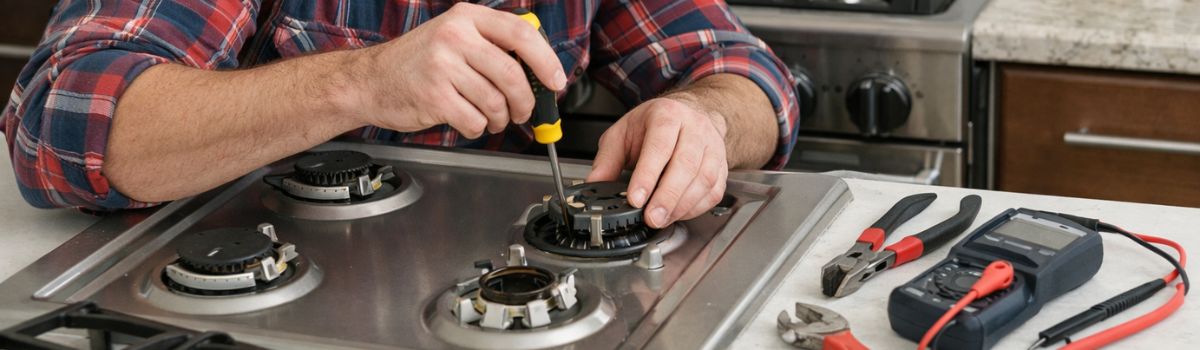
DIY Stove Repair Risks and How to Stay Safe in Chilliwack
Stove repair plays a crucial role in maintaining household safety and ensuring the appliance functions properly. A well-maintained stove prevents accidents such as gas leaks, fires, and carbon monoxide poisoning, which can pose serious risks to your home and family.
In recent years, there has been a rising trend of DIY stove repairs. Many homeowners in Chilliwack are drawn to this approach because it can save money and offer a sense of accomplishment. However, while DIY repairs may seem appealing, hiring professional stove repair services is often safer and more reliable, as DIY attempts carry significant risks if not done correctly.
This article aims to educate residents of Chilliwack about the potential dangers of DIY stove repairs and share best practices to avoid accidents. Understanding these risks and how to manage them can help ensure your stove remains safe and functional.
Understanding Stove Types and Repair Complexity
Types of Stoves Commonly Used in Chilliwack
In Chilliwack, homeowners typically use three main types of stoves: gas stoves, electric stoves, and dual fuel stoves.
Gas stoves rely on natural gas or propane to produce an open flame for cooking. They offer precise temperature control and quick heat adjustment.
Electric stoves use electrical heating elements or induction technology to cook food. They are generally easier to clean and maintain but may have slower temperature changes compared to gas.
Dual fuel stoves combine the benefits of both gas and electric stoves, usually featuring a gas cooktop with an electric oven. This setup offers versatility but can increase repair complexity due to multiple systems involved.
Complexity of Stove Repairs
Repairing stoves can vary significantly in complexity depending on the type and specific issues involved. Key areas that often require attention include:
Electrical components: Electric and dual fuel stoves have wiring, heating elements, and control boards that can malfunction. Repairs may involve diagnosing electrical faults, replacing faulty parts, or addressing issues with sensors and timers.
Gas connections and safety mechanisms: Gas stoves and dual fuel stoves require careful handling of gas lines, valves, and ignition systems. Repairing these parts demands knowledge of gas safety standards to prevent leaks and ensure proper combustion.
Mechanical parts: Components like knobs, hinges, burners, and fans can wear out or break. Mechanical repairs might seem straightforward but often require specific tools and parts to ensure proper function.
Understanding these stove types and the intricacies of their repairs is essential for assessing whether a DIY fix is advisable or if professional help is necessary to maintain safety and efficiency.
Risks Associated with DIY Stove Repairs
Electrical Hazards
DIY stove repairs involving electrical components carry significant risks, including electrical shocks and fires. Handling wiring or electrical parts without proper precautions can lead to serious injury or property damage. It is crucial to disconnect the stove from its power source before attempting any repairs to minimize these risks and ensure safety during the process.
Gas-Related Dangers
For gas stoves, DIY repairs pose the danger of gas leaks, which can lead to explosions or carbon monoxide poisoning. Even a small leak is hazardous and requires immediate professional attention. Recognizing the smell of gas and knowing how to respond safely is essential, but handling gas lines or components without expertise is strongly discouraged.
Physical Injuries
Attempting stove repairs without proper tools or knowledge can result in physical injuries such as burns, cuts, or other accidents. Hot surfaces, sharp edges, and moving parts present hazards that can cause harm during repair attempts.
Warranty and Cost Implications
DIY repairs may also void the manufacturer’s warranty, leaving you responsible for future repairs or replacements. Additionally, incorrect repairs can lead to more extensive damage, resulting in higher costs than if a professional had handled the issue initially.
Legal and Safety Compliance Considerations
Building Codes and Regulations in Chilliwack
When repairing a stove yourself in Chilliwack, it is crucial to comply with local building codes and regulations, especially those related to electrical and gas systems. These codes are designed to ensure safety and prevent hazards such as gas leaks, fires, or electrical shocks. Ignoring these regulations can lead to dangerous situations and legal consequences. For example, the local authorities emphasize adherence to established electrical and gas codes to avoid accidents and ensure the proper functioning of appliances.
Insurance Implications
DIY stove repairs can affect your home insurance coverage. Many insurance policies include clauses that may deny claims if damage results from improper or unlicensed repairs. Doing stove repairs without professional certification or failing to meet safety standards could void your policy or cause your insurer to refuse compensation in the event of an accident related to the repair. It is important to understand how DIY repairs might impact your insurance and to consult with your provider before proceeding.
When to Attempt DIY Repairs: Guidelines and Precautions
Assessing Repair Difficulty
Before attempting any DIY stove repair, it’s important to evaluate the complexity of the issue. Simple problems like replacing a broken knob, cleaning clogged burners, or tightening loose connections can often be handled by most homeowners. However, complex issues involving electrical components, gas lines, or internal mechanisms should generally be left to professionals due to the higher risk and technical skill required.
Essential Safety Precautions
Safety should always be the top priority when repairing a stove. Always disconnect the power supply and shut off the gas before beginning any repair work to prevent electrical shocks or gas leaks. Wearing proper safety gear such as gloves and goggles can protect you from cuts, burns, and debris. Additionally, ensure you work in a well-ventilated area to avoid inhaling any hazardous fumes or gas that may escape during the repair process.
Access to Tools and Replacement Parts
Having the right tools and authentic replacement parts is crucial for a successful repair. Sourcing genuine parts can be challenging, and using non-authentic components may compromise stove performance and safety. Make sure you have access to the correct tools and verify the authenticity of parts before starting your DIY repair to avoid further damage or costly mistakes.
Hiring Qualified Professionals: Benefits and How to Choose
Qualifications and Certifications to Look For
When hiring someone for stove repairs, it is essential to ensure they are properly qualified. Look for licensed gas fitters and electricians, as these professionals have undergone the necessary training and certification to safely handle gas and electrical components. Hiring someone without the right credentials can lead to safety hazards and improper repairs.
Ensuring Safety and Compliance
Professional repairs come with the guarantee that the work will meet all local code requirements. This compliance is critical for safety and legal reasons. Avoiding DIY projects that involve electrical and gas appliances reduces the risk of accidents and ensures that installations or repairs adhere to safety standards.
Cost-Benefit Analysis
While DIY repairs may seem like a way to save money, the risks often outweigh the initial cost savings. Professional repair costs can be higher upfront but can prevent costly damages, injuries, or code violations in the long run. As noted by Home Alliance, comparing the potential risks of DIY stove repair against professional services usually favors hiring experts to ensure safety and lasting results.
Common Stove Problems and Professional Repair Approaches
Gas Stove Issues
Gas stoves often face problems such as flame irregularities, where the flame might flicker, appear uneven, or be too yellow instead of a steady blue. These issues can indicate incomplete combustion or gas flow problems, which can be dangerous. Another common issue is gas cut-off problems, where the stove fails to shut off the gas supply properly, increasing the risk of leaks.
Professionals diagnose these issues by checking the gas pressure, inspecting the burner ports for blockages, and testing safety mechanisms like the thermocouple or flame sensor. Repairs involve cleaning or replacing faulty parts and ensuring that the gas supply and ignition systems operate safely and efficiently.
Electric Stove Malfunctions
Electric stoves commonly experience heating element failures, where one or more elements do not heat up properly or at all. This can be due to broken or burnt-out elements, faulty wiring, or a malfunctioning control switch. Electrical shorts are another concern, potentially caused by damaged wiring or components, leading to sparks or power interruptions.
Professional repair technicians use specialized tools to test the heating elements, wiring, and controls. They replace defective parts and verify that the electrical connections are secure and safe to prevent hazards.
Regular Maintenance Tips to Avoid Repairs
To minimize the need for repairs, regular maintenance is essential. This includes cleaning stove burners and elements to prevent blockages and buildup that affect performance. Routine inspections by a qualified technician can identify wear or damage early, allowing timely servicing before problems escalate. Keeping the stove components clean and ensuring all safety features are functional helps maintain safe and efficient operation.
DIY Visual Guide: What You Can Safely Attempt
When dealing with stove issues, there are some straightforward troubleshooting steps you can safely try at home before calling a professional. This visual guide will help you understand what you can attempt on your own and when it’s time to stop.
Simple Troubleshooting Steps
Check the Gas Supply: Ensure the gas valve is fully open. Sometimes the issue can be as simple as a closed or partially closed valve.
Inspect Burner Caps and Ports: Remove the burner caps and clean them if you notice any debris or food residue. Clogged ports can cause uneven or yellow flames.
Clean the Igniter: Use a toothbrush or a soft brush to clean the igniter area. Dirt or grease buildup can prevent the stove from lighting properly.
Test for Yellow Flames: Yellow flames indicate incomplete combustion, which can be dangerous. Try adjusting the air shutter if your stove allows it, or clean the burner thoroughly.
Ensure Proper Ventilation: Make sure your kitchen is well-ventilated when using the stove to avoid gas buildup.
Conclusion
DIY stove repair can pose significant dangers, including fire hazards, gas leaks, and electrical shocks. These risks highlight the importance of relying on professional help for any stove repairs. Certified technicians have the expertise and tools necessary to ensure repairs are done safely and in compliance with local regulations.
Prioritizing safety and adherence to standards not only protects your home and family but also extends the life of your stove. When in doubt, always choose professional services over attempting risky repairs yourself.
For residents of Chilliwack, there are several reliable stove repair services available. Local experts offer timely and safe repair solutions to keep your kitchen running smoothly without compromising safety.