
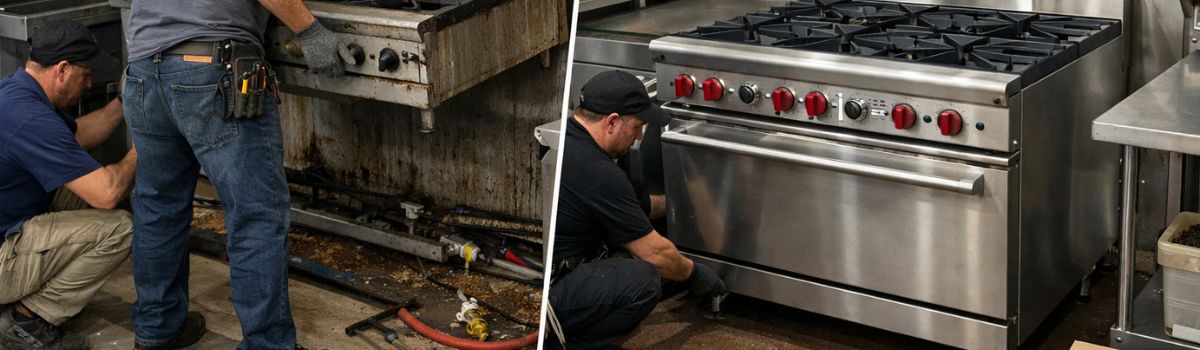
Commercial Stove Upgrades and Retrofits Transforming Delta Kitchens
Upgrading commercial kitchen equipment is essential for maintaining efficiency, safety, and competitiveness in the food service industry. Older stoves and appliances can lead to higher energy costs, increased downtime, and inconsistent cooking results. By investing in modern upgrades and retrofits, kitchens can improve their overall performance and reduce operational expenses.
Delta kitchens present unique challenges and requirements due to their specific layout and equipment configurations. These kitchens often rely heavily on commercial stoves that must meet rigorous demands for durability and precision. Tailoring upgrades to fit the Delta kitchen environment ensures that the improvements align with the space and workflow constraints.
One of the primary benefits of upgrading commercial stoves in Delta kitchens is enhanced energy efficiency. Modern stove technologies consume less fuel, reducing utility bills and supporting sustainability goals. Additionally, improved equipment contributes to smoother operations, faster cooking times, and better heat distribution, which can increase kitchen productivity and food quality, while avoiding the risks of DIY stove repair.
Understanding Commercial Stove Retrofits
What is a Stove Retrofit?
A stove retrofit involves upgrading an existing commercial stove with new technology or components to improve its performance, efficiency, and longevity. Unlike simple component-only upgrades that replace or enhance individual parts, system-based retrofits focus on comprehensive modifications that integrate multiple elements of the stove’s operation. This broader approach addresses the stove as a whole system, rather than isolated components, ensuring better coordination and optimization.
Benefits of System-Based Retrofit Strategies
System-based retrofit strategies offer substantial advantages over component-only upgrades. One of the most notable benefits is significant energy savings, which can range from 49% to 82% more than what component-only upgrades achieve. These savings contribute directly to reduced operating costs.
Beyond energy efficiency, system-based retrofits improve operational efficiency by streamlining stove functions, which results in less downtime for maintenance and repairs. This leads to smoother kitchen operations and increased productivity.
Furthermore, retrofitting enhances cooking performance and consistency. By upgrading the entire system, commercial kitchens can ensure more reliable heat distribution and precise temperature control, resulting in better quality food preparation and service.
Energy Efficiency in Commercial Kitchens
Energy efficiency has become a top priority in commercial kitchen upgrades, particularly for Delta Kitchens aiming to reduce operating costs and environmental impact. A significant portion of kitchen renovations approximately 70% now focus on upgrading appliances such as dishwashers, microwaves, and stoves to more energy-efficient models.
To maximize return on investment, many commercial kitchens are adopting ENERGY STAR certified refrigeration equipment. These appliances consume less energy while maintaining optimal performance, leading to reduced utility bills and a smaller carbon footprint. Additionally, LED lighting has become a popular upgrade for cooking areas and exhaust hoods, offering better illumination with significantly lower energy use compared to traditional lighting.
Another effective energy-saving measure is the installation of variable-speed exhaust hood controls. These systems adjust ventilation rates based on cooking activity, preventing unnecessary energy consumption when full ventilation is not required.
For commercial kitchen operators interested in upgrading to energy-efficient appliances, ENERGY STAR provides valuable resources. These include tools to locate rebates and certified equipment dealers, as well as guidelines for selecting ENERGY STAR certified commercial kitchen appliances. Utilizing these resources can help kitchens invest wisely and take full advantage of available incentives.
Specific Considerations for Delta Kitchen Stove Upgrades
Assessing Existing Equipment
When planning stove upgrades for Delta kitchens, the first step is to thoroughly evaluate the current stove’s condition and performance. This includes checking for wear and tear, fuel efficiency, heat output, and safety features. Understanding how the existing equipment operates helps identify which components can be improved or replaced. Additionally, it is important to assess how the stove integrates with the overall Delta kitchen design to pinpoint retrofit opportunities that maintain or enhance workflow and space utilization.
Retrofitting Approaches
There are two main approaches to retrofitting stoves in Delta kitchens. The first involves upgrading individual components such as burners, controls, and insulation. Upgrading burners can improve heat control and energy efficiency, while modern controls allow for precise temperature management and easier operation. Enhancing insulation reduces heat loss, increasing overall efficiency.
The second approach is a full system retrofit, where the entire stove setup is replaced or extensively modified to achieve integrated efficiency improvements. This may involve installing new energy-efficient stove units that better match the kitchen’s operational requirements and layout.
Ventilation and Exhaust System Enhancements
Proper ventilation is crucial for stove efficiency and kitchen safety. An effective exhaust system removes heat, smoke, and cooking odors, which helps maintain air quality and prevent overheating. Upgrading to variable-speed exhaust hoods allows ventilation to adjust based on cooking activity, reducing energy consumption when full power is unnecessary. Additionally, integrating lighting upgrades within the ventilation system can improve visibility and reduce energy usage.
These ventilation and exhaust improvements play a significant role in maximizing the benefits of stove upgrades in Delta kitchens.
Financial and Operational Benefits
Cost Savings Through Energy Efficiency
Upgrading to energy-efficient commercial stoves can significantly reduce utility bills and overall operational costs in Delta kitchens. Modern stoves consume less gas or electricity, which directly translates to lower monthly expenses. Additionally, businesses may qualify for rebates and incentives designed to encourage energy-efficient kitchen upgrades. Programs offered by organizations such as ENERGY STAR and local utilities like SoCalGas provide financial support that can offset the initial investment in new equipment.
Enhancing Kitchen Productivity and Food Quality
Commercial stove upgrades improve kitchen productivity by offering faster heat-up and recovery times. This means chefs spend less time waiting for equipment to reach the desired temperature and can cook multiple batches efficiently. Enhanced temperature control also leads to consistent cooking results, which is crucial for maintaining food quality and safety standards. Reliable equipment reduces the risk of undercooked or overcooked dishes, supporting better customer satisfaction and compliance with health regulations.
Environmental Impact
Modern commercial stoves help reduce the carbon footprint of kitchens by using energy more efficiently and emitting fewer pollutants. By upgrading to these environmentally friendly appliances, businesses support their sustainability goals and contribute to broader efforts to minimize environmental impact. This shift not only benefits the planet but can also enhance the company’s reputation among eco-conscious customers and partners.
Practical Steps for Implementing Stove Upgrades and Retrofits
Planning and Assessment
Before starting any stove upgrade or retrofit in a commercial kitchen, conducting thorough planning and assessment is essential. This begins with energy audits to evaluate current stove performance and identify opportunities for energy savings. Equipment assessments help determine which components need replacement or upgrading. Consulting with industry experts can provide valuable insights and ensure the retrofit meets operational needs. Utilizing resources such as the SoCalGas Food Service Equipment Center can also guide decision-making and provide access to the latest tools and information.
Selecting the Right Equipment
Choosing the appropriate equipment is a critical step in stove upgrades. The selected stoves and components should be energy-efficient to reduce operating costs and environmental impact. Key criteria include compliance with ENERGY STAR standards, fuel type compatibility, and capacity suited to kitchen demands. Leveraging ENERGY STAR listings can help identify high-efficiency options. Additionally, exploring available rebate programs can offset initial investment costs and encourage the adoption of cleaner technologies.
Installation and Training
Proper installation is crucial to maximize the benefits of stove upgrades. Installation should be performed by qualified professionals who follow manufacturer guidelines and local regulations to ensure safety and optimal performance. After installation, staff training is vital to familiarize users with the new equipment’s operation and maintenance requirements. Well-trained staff can operate the stoves efficiently, perform routine upkeep, and promptly address minor issues, extending equipment lifespan and maintaining efficiency.
Case Studies and Success Stories
Several Delta kitchens have successfully upgraded their commercial stoves, resulting in significant energy savings and improved operations. One notable example is a large-scale restaurant in Delta that retrofitted its aging stove units with high-efficiency models. This upgrade led to a 25% reduction in energy consumption, cutting utility costs substantially within the first year of implementation.
Another case involved a catering facility that integrated advanced temperature controls and improved ventilation systems during their stove retrofit. The operational improvements included faster cooking times and more consistent food quality, which enhanced overall productivity. The facility reported a return on investment (ROI) within 18 months due to lower energy bills and reduced maintenance costs.
These success stories highlight how strategic upgrades and retrofits in Delta kitchens not only contribute to sustainability goals but also provide tangible financial benefits. By optimizing stove performance and energy use, kitchens can achieve lasting improvements in both efficiency and cost-effectiveness.
Future Trends and Innovations in Commercial Kitchen Retrofits
Commercial kitchen retrofits are evolving rapidly with the introduction of emerging technologies in stove design and controls. Modern stoves are becoming more energy-efficient, featuring precise temperature controls that allow chefs to cook with greater accuracy. Innovations such as induction cooking and modular stove components enable kitchens to adapt quickly to changing menu needs while reducing energy consumption.
Another significant trend is the integration of commercial stoves with smart kitchen systems and the Internet of Things (IoT). These connected devices allow kitchen managers to monitor stove performance remotely, schedule maintenance proactively, and optimize energy usage in real-time. IoT-enabled stoves can also provide data analytics on cooking patterns, helping kitchens improve workflow and reduce downtime. This connectivity not only enhances operational efficiency but also supports compliance with safety and hygiene standards by alerting staff to any irregularities immediately.
Together, these advancements are transforming commercial kitchen retrofits into smarter, more sustainable, and highly adaptable environments.
Conclusion
Upgrading and retrofitting commercial stoves in Delta kitchens offer significant benefits, including improved energy efficiency, reduced operating costs, and enhanced cooking performance. These improvements not only contribute to lower utility bills but also support sustainability goals by minimizing energy waste. Modern equipment retrofits can extend the life of existing stoves while incorporating advanced technologies that meet current safety and environmental standards.
For Delta kitchen operators, investing in energy-efficient stove upgrades is a smart decision that pays off through long-term savings and a smaller environmental footprint. Embracing these solutions aligns with industry best practices and taps into available resources designed to facilitate effective energy management. By prioritizing energy-efficient commercial stove retrofits, kitchens can improve operational efficiency and contribute to a more sustainable future.