
Keep Your Fridge Running Smoothly with DIY Drain Clog Solutions in Chilliwack
Maintaining refrigerator drain lines is essential for ensuring your appliance runs efficiently and avoids potential damage. When these drain lines become clogged, it can lead to several common issues such as water leaks inside or around the refrigerator, unpleasant odors from trapped moisture, and reduced cooling efficiency. Addressing these problems promptly helps prevent more serious malfunctions and costly repairs.
In Chilliwack, homeowners often face the choice between handling clogged refrigerator drains themselves or seeking professional servicing. DIY methods can be effective for minor clogs and offer a convenient, cost-saving solution. However, professional services, including trusted cooling repair, provide thorough cleaning and repairs, especially for more severe blockages or recurring issues. Understanding the pros and cons of each option is key to keeping your refrigerator in optimal condition.
Understanding Refrigerator Drain Systems
What is a Refrigerator Drain Line?
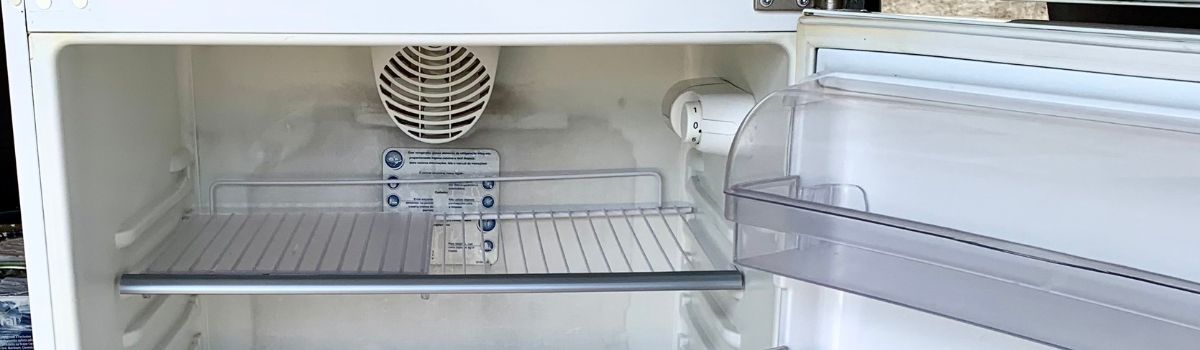
The refrigerator drain line is a small channel or tube located inside the appliance, usually at the back or bottom of the fridge compartment. Its primary function is to carry excess water, which results from the defrost cycle, away from the refrigerator and into a drain pan or outlet. This helps prevent water from pooling inside the fridge and keeps moisture levels under control, ensuring the appliance runs efficiently and food stays fresh.
Common Causes of Drain Clogs
Drain clogs in refrigerators often occur due to several common issues. One major cause is the buildup of food particles and debris that can accumulate over time and block the drain line. Another frequent issue is ice and frost accumulation, especially if the defrost cycle isn’t working properly, which can freeze and obstruct the drain. Additionally, mold and mildew can grow inside the drain tube if moisture remains trapped, further contributing to blockages and unpleasant odors. Understanding these causes is key to effectively servicing and clearing clogged refrigerator drains.
Signs of a Clogged Refrigerator Drain
A clogged refrigerator drain can cause several noticeable problems. One of the most common signs is water pooling inside the refrigerator or underneath it. This happens because the drain line is blocked, preventing condensation from draining properly.
Unpleasant odors are another indicator. When water accumulates and stagnates due to a clog, it creates a breeding ground for mold and bacteria, leading to foul smells inside the fridge.
If your refrigerator is not cooling properly, a clogged drain could be the culprit. Excess water buildup can affect the appliance’s cooling efficiency, making it harder to maintain the right temperature.
Lastly, visible leaks around the refrigerator are a clear sign that the drain is clogged. Water escaping from the fridge can damage flooring and create a slip hazard, so it’s important to address this issue promptly.
Step-by-Step Guide to DIY Cleaning of Refrigerator Drain Lines
Tools and Materials Needed
- Flexible brush or pipe cleaner
- White vinegar
- Baking soda
- Warm/hot water
- Towels or cloths
Cleaning Methods
1. Using a Flexible Brush or Pipe Cleaner
Start by gently inserting a flexible brush or pipe cleaner into the refrigerator drain line. Rotate the brush to remove debris and buildup that may be clogging the drain. After loosening the blockage, flush the line with water to clear out the debris. This method helps physically remove clogs and restore proper drainage.
2. Applying Cleaning Solutions
Mix equal parts white vinegar and baking soda to create a natural cleaning solution. Pour this mixture slowly into the drain line, allowing it to dissolve any residue inside. Let the solution sit for 10 to 15 minutes to work effectively. Afterward, flush the drain line with warm water to wash away the loosened buildup. This method helps break down organic matter and prevents future clogs.
3. Flushing with Warm or Hot Water
Use a turkey baster or a small funnel to push warm or hot water through the drain line. This helps clear out any remaining debris and prevents water from refreezing inside the drain, which can cause blockages. Regular flushing maintains proper drainage and reduces the chance of leaks.
Safety Tips and Precautions
- Always unplug the refrigerator before starting any servicing to avoid electrical hazards.
- Avoid using harsh chemicals, as they can damage the refrigerator components and potentially cause leaks or corrosion.
Preventative Maintenance Tips
Regular Cleaning Schedule
Maintaining a clean refrigerator drain is essential to prevent clogs and ensure efficient operation. Conduct monthly inspections of the drain hole to check for any visible blockages or debris. Additionally, establish a bi-annual deep cleaning routine to thoroughly clear the drain and maintain proper flow. This routine helps avoid buildup that can cause water leakage or frost issues inside the fridge.
Environmental Considerations
Taking care of the environment inside your refrigerator also plays a key role in preventing drain clogs. Always keep food sealed properly to reduce the amount of debris and moisture that can enter the drain system. Furthermore, regularly monitor the defrost cycle for any abnormalities, as irregular defrosting can lead to excess water accumulation and potential clogs. Staying attentive to these factors will help maintain your refrigerator’s drainage system in optimal condition.
Conclusion
Clearing refrigerator drain clogs can often be effectively managed with simple DIY methods such as using warm water, mild cleaning solutions, or a flexible brush to remove blockages. These techniques help maintain proper drainage and prevent water buildup inside the refrigerator.
Regular maintenance is crucial to avoid frequent clogs. Routinely checking and cleaning the drain area can extend the lifespan of your refrigerator and ensure it operates efficiently.
While many drain clogs can be resolved through DIY efforts, it is important to recognize when professional support is needed. In Chilliwack, experienced technicians can provide thorough inspections and repairs for persistent or complex issues, helping to protect your appliance and save you time in the long run.