
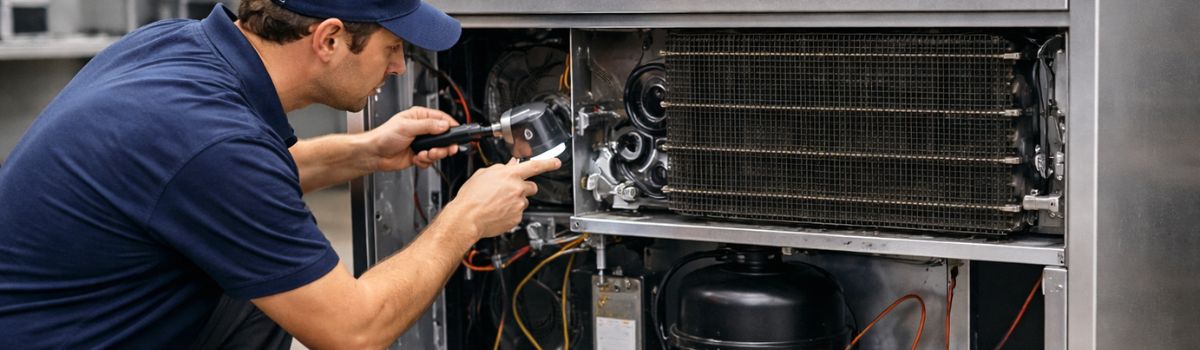
How to Maintain Commercial Refrigerators in Abbotsford Throughout the Year
Maintaining commercial refrigerators is essential for ensuring optimal performance and food safety. Proper upkeep helps prevent breakdowns, extends the lifespan of the equipment, and keeps food stored at safe temperatures to avoid spoilage and contamination. Regular maintenance also reduces energy consumption, which can significantly lower operating costs.
Abbotsford’s climate, characterized by its mild, wet winters and warm, humid summers, poses unique challenges for refrigeration systems. High humidity levels and temperature fluctuations can strain commercial refrigerators, making them work harder to maintain consistent internal temperatures. This increases the need for seasonal maintenance and occasional DIY refrigerator repair to keep these systems running efficiently and reliably throughout the year.
Understanding Commercial Refrigerators
Commercial refrigerators are essential for businesses in Abbotsford, especially those in the food service and retail industries. Understanding the types, components, and seasonal challenges of these units can help maintain their efficiency and prolong their lifespan.
Types of Commercial Refrigerators Commonly Used in Abbotsford Businesses
- Reach-In Refrigerators: These are upright units with one or more doors, commonly used in kitchens for easy access to ingredients.
- Undercounter Refrigerators: Compact units designed to fit under counters, ideal for smaller spaces and quick access.
- Display Refrigerators: Often used in retail or food service to showcase products while keeping them cool.
- Walk-In Coolers: Larger refrigerated rooms used for bulk storage of perishable goods.
Basic Components and How They Work
Commercial refrigerators operate using several key components:
- Compressor: Compresses refrigerant and circulates it through the system.
- Condenser Coils: Release heat from the refrigerant to the outside air.
- Evaporator Coils: Absorb heat from inside the refrigerator, cooling the interior.
- Thermostat: Regulates the temperature by controlling the compressor.
- Fans: Circulate air over the coils and throughout the interior.
The refrigeration cycle involves the refrigerant absorbing heat inside the unit and releasing it outside, maintaining a consistent, cool temperature.
Common Issues Faced Due to Seasonal Changes
Seasonal temperature fluctuations in Abbotsford can impact commercial refrigerators in several ways:
- Increased Condenser Coil Load: Warmer ambient temperatures during summer can cause condenser coils to work harder, leading to potential overheating or system strain.
- Frost Build-Up: Cooler and more humid conditions in fall and winter may cause frost accumulation on evaporator coils, reducing efficiency.
- Temperature Fluctuations: Rapid changes in outdoor temperature can cause inconsistent cooling, affecting food safety.
- Increased Energy Consumption: Seasonal challenges can lead to higher energy usage as the system compensates for environmental changes.
Regular maintenance tailored to these seasonal impacts is crucial to prevent breakdowns and maintain optimal performance.
Seasonal Challenges Affecting Commercial Refrigerators
Commercial refrigerators in Abbotsford face several seasonal challenges that can impact their performance and longevity. One major factor is temperature fluctuations. As outdoor temperatures vary between seasons, refrigeration units must work harder to maintain consistent internal temperatures. This increased demand can reduce efficiency and increase wear on components, potentially leading to more frequent breakdowns or higher energy consumption.
Humidity levels and environmental conditions in Abbotsford also play a significant role. The region’s climate can be quite humid, especially in warmer months, which may cause excess moisture buildup inside refrigeration units. This can lead to issues such as frost accumulation, corrosion of metal parts, and compromised insulation, all of which reduce the refrigerator’s effectiveness and reliability.
Additionally, commercial refrigerators often experience increased workload during seasonal peak periods. For example, during summer months or holiday seasons, businesses may stock more perishable goods, requiring refrigerators to operate at higher capacities for extended periods. This added strain elevates the risk of mechanical failures and heightens the importance of proactive maintenance to ensure continuous operation.
Comprehensive Cleaning Strategies
Regular Cleaning Procedures
Maintaining clean condenser coils is essential for commercial refrigerators, as it improves heat exchange efficiency and helps the unit operate smoothly. Dust and debris buildup on the coils can cause the refrigerator to work harder, increasing energy consumption and potentially leading to breakdowns. Regularly cleaning the condenser coils ensures better performance and longevity of the equipment. Similarly, cleaning the evaporator coil areas is crucial to prevent frost buildup, which can hinder cooling efficiency and cause uneven temperatures inside the refrigerator. Keeping these coils free of ice and debris supports optimal refrigeration function. In addition to coil maintenance, wiping down both the interior and exterior surfaces of the refrigerator is important to prevent contamination and maintain hygiene standards. This practice helps avoid the growth of mold, bacteria, and unpleasant odors, ensuring a safe environment for stored food and beverages.
Decluttering and Organization
Removing unnecessary items from the refrigerator is a key step in optimizing airflow within the unit. Excess clutter can block vents and reduce the circulation of cold air, leading to uneven cooling and potential spoilage of products. By regularly decluttering, you ensure that air can flow freely throughout the refrigerator, maintaining consistent temperatures. Additionally, employing proper shelving and storage techniques enhances even cooling by allowing cold air to circulate effectively around stored items. Organizing products in a way that maximizes space and airflow not only improves the refrigerator’s efficiency but also makes it easier to locate and access items when needed.
Inspection and Diagnostics
Routine Inspection Checklists
Performing routine inspections is essential to maintain the efficiency and longevity of commercial refrigerators. Start by checking the door gaskets for any signs of wear or damage. Ensuring that the gaskets seal effectively helps prevent cold air leakage, which can increase energy consumption and reduce cooling performance. Regularly inspecting these seals is a simple but critical step in commercial refrigeration maintenance.
Next, monitor temperature consistency inside the unit. Verify that the thermostat is accurate and maintaining the set temperature range. Fluctuations can signal underlying issues that need addressing to avoid food spoilage and inefficiency.
Finally, inspect all electrical components and wiring for signs of wear, corrosion, or loose connections. Proper electrical function is crucial for reliable operation and safety.
Evaluating Refrigeration Health
To evaluate the overall health of refrigeration systems, watch for performance signals that may indicate emerging problems. These can include unusual noises, longer cooling cycles, or increased energy usage. Early identification allows for timely repairs, preventing costly breakdowns.
Additionally, it’s important to debunk common maintenance misconceptions. Avoid relying on ineffective practices such as neglecting regular inspections or using incorrect cleaning methods, which can cause more harm than good. Proper knowledge and consistent diagnostics ensure your commercial refrigerator operates efficiently throughout the seasons.
Ensuring Food Safety and Compliance
Maintaining proper temperature zones within commercial refrigerators is crucial to prevent food spoilage and ensure safety. Different types of food require specific temperature ranges to remain fresh and safe for consumption. Regularly checking and adjusting temperature settings can help avoid the growth of harmful bacteria and prolong the shelf life of stored products.
In addition to temperature management, regular sanitation procedures are essential to meet health regulations. This includes cleaning shelves, door seals, and interior surfaces to prevent contamination and the buildup of mold or bacteria. Following a strict cleaning schedule helps maintain a hygienic environment that complies with local health codes.
Record-keeping and continuous monitoring play a vital role during health audits and inspections. Detailed logs of temperature readings, cleaning routines, and maintenance activities provide evidence of compliance with food safety standards. Utilizing digital monitoring systems can simplify this process by providing real-time alerts and automated reports, ensuring that all records are accurate and up to date.
Adapting Maintenance for Seasonal Changes in Abbotsford
Maintaining commercial refrigerators in Abbotsford requires adjusting maintenance schedules to account for seasonal variations in temperature and humidity. These environmental changes directly impact the performance and efficiency of refrigeration units, making it essential to tailor upkeep routines throughout the year. According to ISS Supply, adapting maintenance based on seasonal conditions can prevent unexpected breakdowns and extend the lifespan of equipment.
During the summer months, higher temperatures and increased humidity levels place extra strain on refrigeration systems. To combat this, it is important to perform more frequent inspections of condenser coils and ensure they are clean and free of debris, as clogged coils can reduce cooling efficiency. Additionally, checking door seals for tightness helps prevent warm air infiltration, which can cause compressors to work harder.
In contrast, winter presents challenges such as colder ambient temperatures and potential frost buildup. Maintenance strategies should include monitoring defrost cycles to ensure they are operating correctly and preventing ice accumulation. It’s also crucial to verify that thermostats are calibrated accurately to avoid overcooling.
By adjusting maintenance schedules and employing targeted strategies for both winter and summer, businesses in Abbotsford can maintain optimal refrigeration performance year-round, safeguarding their products and reducing energy costs.
Energy Efficiency Optimization
Optimizing energy efficiency in commercial refrigerators is crucial, especially during peak seasons when usage intensifies. Here are some practical tips to reduce energy consumption:
Maintain Proper Temperature Settings: Avoid setting temperatures lower than necessary. Keeping refrigerators at the manufacturer-recommended temperatures ensures energy is not wasted on overcooling.
Regularly Clean Condenser Coils: Dust and dirt on condenser coils reduce heat exchange efficiency, causing the compressor to work harder. Cleaning coils monthly during peak seasons can significantly lower energy use.
Limit Door Openings: Frequent opening of refrigerator doors lets cold air escape and warm air enter, increasing energy demand. Train staff to minimize door openings and ensure doors close properly.
Use Night Covers: For open-display refrigerators, night covers help retain cold air during non-operating hours, reducing energy consumption.
Upgrading key components can also lead to better efficiency:
Install Energy-Efficient Compressors: Modern compressors consume less power and provide better cooling performance.
Upgrade to LED Lighting: LED lights produce less heat and use less electricity compared to traditional lighting, reducing overall cooling load.
Add High-Performance Insulation: Improving insulation reduces thermal exchange, helping maintain stable internal temperatures with less energy.
Implementing these strategies helps commercial refrigerators in Abbotsford operate more efficiently, lowering energy costs and extending equipment lifespan.
Troubleshooting Common Seasonal Issues
Seasonal changes can lead to specific problems in commercial refrigerators, affecting their efficiency and longevity. Addressing these issues promptly helps maintain optimal performance.
Diagnosing Frost Buildup and Condensation Problems
Frost buildup is a common issue during colder months or in environments with high humidity. Excess frost can block air vents, reduce cooling efficiency, and increase energy consumption. To diagnose, check for ice accumulation on evaporator coils and inside the freezer compartment. Also, inspect door seals for any damage or gaps that allow warm, moist air to enter.
Condensation problems often appear as water droplets inside the refrigerator or on shelves. This usually results from frequent door openings or faulty door gaskets. Ensuring doors close properly and replacing worn seals can prevent excess moisture buildup.
Handling Compressor and Thermostat Failures
The compressor is the heart of the refrigeration system. Signs of compressor failure include unusual noises, the unit not cooling adequately, or the compressor running continuously without cycling off. Thermostat failures often manifest as inaccurate temperature readings or the inability to maintain set temperatures.
For minor thermostat issues, recalibrating or replacing the thermostat may resolve the problem. However, compressor repairs typically require specialized knowledge and tools.
Choosing the Right Service Provider in Abbotsford
When it comes to maintaining commercial refrigerators, selecting the right service provider is crucial for ensuring reliable performance and longevity. Here are key factors to consider when choosing a commercial refrigeration maintenance expert in Abbotsford:
Experience and Expertise: Look for technicians who have specialized training and significant experience in commercial refrigeration systems. They should be familiar with various brands and models commonly used in Abbotsford businesses.
Certification and Licensing: Ensure the service provider holds the necessary certifications and licenses required for refrigeration work. This guarantees they meet industry standards and regulations.
Reputation and Reviews: Check customer reviews and testimonials to gauge the quality of service. A reputable provider will have positive feedback regarding timely repairs, professionalism, and effective maintenance.
Availability and Response Time: Commercial refrigeration issues can impact your business operations quickly. Choose a provider that offers prompt service and flexible scheduling to minimize downtime.
Comprehensive Services: Opt for companies that provide a full range of maintenance services, including routine inspections, emergency repairs, and parts replacement.
Using a local, specialized service provider in Abbotsford offers several benefits:
Choosing a trusted, local expert in Abbotsford for your commercial refrigeration maintenance helps protect your investment and keeps your business running smoothly.
Conclusion
Seasonal maintenance of commercial refrigerators is essential to keep them running efficiently and to ensure the safety of stored food. Key tips include regularly cleaning condenser coils, checking door seals for any damage, monitoring temperature settings, and scheduling professional inspections before peak seasons. By staying proactive with these maintenance tasks, businesses in Abbotsford can avoid unexpected breakdowns, reduce energy costs, and maintain reliable refrigeration performance. Prioritizing routine care not only extends the lifespan of commercial refrigerators but also helps uphold food safety standards, protecting both customers and the business’s reputation.