
Common Refrigerator Relay and Capacitor Problems in Kelowna Homes
Refrigerators rely on several key components to maintain optimal cooling performance, with the relay and capacitor being among the most critical. The relay acts as a switch that helps start the compressor, while the capacitor provides the necessary boost of energy to get the motor running smoothly. Understanding how these parts work and recognizing the signs of their failure is essential for homeowners in Kelowna to keep their refrigerators functioning efficiently, including quick fixes for temperature problem.
Relay and capacitor issues are common causes of refrigerator breakdowns. When these components fail, the compressor may not start or run properly, leading to inadequate cooling or complete loss of refrigeration. Common symptoms include unusual clicking noises, the refrigerator not cooling sufficiently, or the compressor running continuously without success. Addressing these problems promptly can prevent food spoilage and avoid more costly repairs down the line.
Understanding Key Components: Relay and Capacitor
What is a Refrigerator Capacitor?
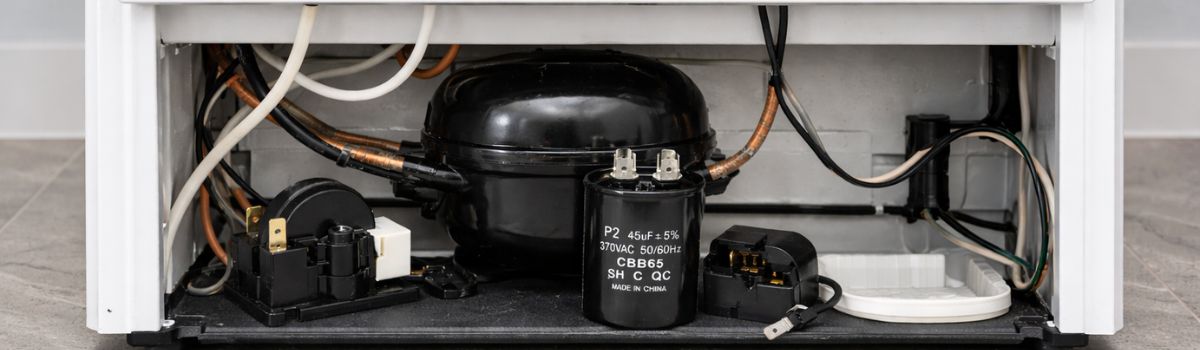
A refrigerator capacitor plays a crucial role in starting and running the compressor motor. It provides the necessary electrical boost to get the compressor motor moving and helps maintain its operation. There are typically two types of capacitors used in refrigerators: the start capacitor and the run capacitor. The start capacitor provides a high burst of energy to start the motor, while the run capacitor helps keep the motor running efficiently.
When a capacitor fails, the compressor may struggle to start or may not run at all, leading to cooling issues. A faulty capacitor can cause the compressor to overheat or stop functioning, which is often a reason why refrigerators stop cooling properly. Diagnosing capacitor failure is essential for restoring proper compressor operation and overall refrigerator performance.
What is a Refrigerator Relay?
The compressor start relay is an electrical component that assists in powering the compressor motor at startup. It works closely with the capacitor to provide the initial surge of electricity necessary to start the compressor. Once the compressor is running, the relay disengages, allowing the motor to continue running smoothly.
Common relay designs include the mechanical relay and the electronic relay. Both serve the same purpose of initiating compressor start-up but differ in their internal mechanisms. The relay’s proper function is critical because a bad relay can prevent the compressor from starting, causing the refrigerator to stop cooling effectively.
Common Signs of Capacitor and Relay Issues
Symptoms of a Failing Capacitor
- Refrigerator not starting or compressor failing to start.
- Unusual humming noises without cooling.
- Excessive vibration or continuous compressor operation.
- Warm refrigerator interior temperatures.
- Flickering interior lights indicating electrical issues.
Symptoms of a Faulty Relay
- Refrigerator not cooling effectively.
- Frequent compressor cycling leading to energy inefficiency.
- Strange clicking or buzzing noises near the compressor area.
- Failure to start the compressor motor.
Diagnosing Refrigerator Relay and Capacitor Issues
Visual Inspection
Start by visually inspecting the refrigerator relay and capacitor. Look for any signs of physical damage such as burn marks, cracks, or corrosion on the relay. For capacitors, check if they are bulging at the top or leaking any fluid, which indicates a failure. These visible signs often point to faulty components that need replacement.
Electrical Testing Methods
To accurately diagnose relay and capacitor problems, use a multimeter for electrical testing. For capacitors, measure the microfarad (µF) value and compare it to the rating printed on the capacitor. A significant deviation means the capacitor is likely defective. When testing the relay, check for continuity and resistance; an open circuit or abnormal resistance suggests relay failure. Additionally, some modern refrigerators provide diagnostic codes that can help pinpoint issues with these components, so consult your refrigerator’s manual to interpret these codes properly.
Repair and Replacement Procedures
Steps to Replace a Faulty Capacitor
Safety Precautions Before Starting Repairs: Always unplug the refrigerator from the power source to avoid electrical shock. Wear insulated gloves and use tools with insulated handles.
Removal and Identification of the Capacitor: Locate the capacitor, usually found near the compressor at the back of the refrigerator. Carefully remove any covers and take note of the capacitor’s specifications, such as voltage and microfarad (µF) ratings.
Selecting Appropriate Replacement Capacitors Based on Specifications: Choose a replacement capacitor that matches the original’s voltage and capacitance ratings exactly. Using incorrect specifications can lead to malfunction or damage.
Installation Tips and Testing Post-Replacement: Install the new capacitor by reconnecting the wires to their original terminals. Secure it properly in place, replace any covers, and plug the refrigerator back in. Observe the compressor’s operation to ensure the capacitor is functioning correctly.
Steps to Replace a Faulty Relay
Locating the Compressor Relay: The relay is typically attached to the side of the compressor or nearby in the refrigeration unit. It is a small, box-like component.
Removing and Testing the Relay: Carefully remove the relay by unplugging or unscrewing it. Test it using a multimeter to check for continuity and proper function.
Choosing the Right Replacement Relay: Select a replacement relay that matches the model and electrical specifications of the original relay to ensure compatibility.
Post-Repair Testing and Verification: After installing the new relay, reconnect the power and monitor the compressor’s startup and running behavior to confirm that the relay is working properly.
Impact of Relay and Capacitor Failures on Refrigerator Performance
When the relay or capacitor in a refrigerator fails, it directly affects the appliance’s overall performance. One of the most immediate consequences is increased energy consumption. A malfunctioning relay or capacitor forces the compressor to work harder or run continuously, using more electricity than usual. This not only raises energy bills but also puts unnecessary strain on the refrigerator’s components.
Another critical impact is on food preservation and safety. Since the compressor is responsible for maintaining the fridge’s cooling cycle, any failure in the relay or capacitor can result in inconsistent or inadequate cooling. This temperature fluctuation can cause food to spoil faster, increasing the risk of foodborne illnesses and waste.
Moreover, failing relay and capacitor parts can lead to further damage within the refrigerator system. The compressor may overheat or become damaged due to irregular starting and stopping cycles. Over time, this can lead to costly repairs or even complete compressor failure, which is one of the most expensive refrigerator repairs. Addressing relay and capacitor issues promptly helps maintain efficient operation and extends the lifespan of the refrigerator.
Localized Considerations for Kelowna Homes
Environmental Factors
Kelowna’s climate, characterized by cold winters and warm, dry summers, can impact refrigerator operation and the lifespan of components like relays and capacitors. During colder months, refrigerators may work harder to maintain optimal temperatures, which can strain electrical parts and potentially lead to premature failure. Conversely, the dry summer air can cause dust accumulation inside appliances, affecting ventilation and cooling efficiency. Homeowners should be aware that these environmental conditions might increase the likelihood of relay and capacitor issues, making regular maintenance and timely repairs essential.
Finding Reliable Repair Services in Kelowna
When seeking appliance repair for refrigerators in Kelowna, it is important to select qualified specialists familiar with the local climate’s effects on appliances. Look for repair technicians who offer prompt, reliable service and demonstrate expertise in diagnosing relay and capacitor problems specific to refrigerators. Local repair services not only provide faster response times but also understand warranty requirements and can advise on maintenance practices suited to Kelowna’s environment. Checking reviews, certifications, and service guarantees can help ensure you choose a trustworthy repair company that will extend your refrigerator’s lifespan effectively.
Conclusion
Identifying and addressing relay and capacitor issues in refrigerators promptly is crucial for maintaining their optimal performance. These components play a vital role in the compressor’s operation, and any malfunction can lead to cooling failures or complete appliance breakdown. Early detection of problems such as a failing capacitor or a faulty relay can prevent more extensive damage and costly repairs.
For homeowners in Kelowna, proactive maintenance and regular inspections are key to extending the lifespan of refrigerators. Consulting with professionals ensures accurate diagnosis and effective repairs, helping to keep your appliance running efficiently. Staying attentive to signs of relay or capacitor failure, such as unusual noises, the compressor not starting, or inconsistent cooling, can save time and money in the long run.
By prioritizing timely intervention and expert assistance, Kelowna residents can avoid unexpected refrigerator failures and maintain a reliable cooling system at home.