
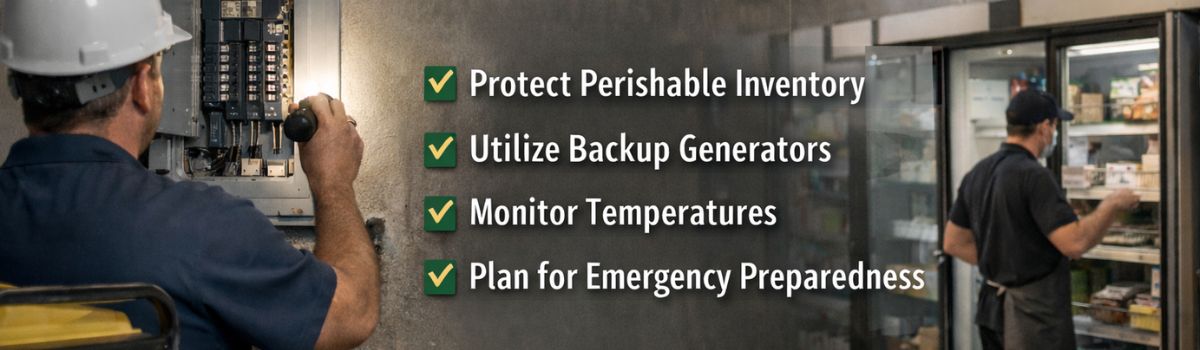
Essential Recovery Tips for Delta Commercial Refrigeration During Power Outages
For businesses in Delta that rely on commercial refrigeration, maintaining an uninterrupted cooling system is crucial. These systems preserve perishable inventory, ensuring food safety and product quality. When a power outage occurs, it poses a significant threat to these businesses by risking spoilage of goods, disrupting daily operations, and ultimately impacting revenue.
Power outages can cause refrigerated products to reach unsafe temperatures quickly, leading to costly losses and potential health hazards. Additionally, downtime affects customer trust and can interrupt supply chains. Knowing which leak-prone fridge brands are in use can help businesses take preventive measures before an outage occurs.
This article will explore essential recovery and preparedness strategies to help Delta businesses minimize damage during power outages and maintain the integrity of their commercial refrigeration systems.
Understanding Power Outages in the Delta Region
Common Causes of Power Outages
Power outages in the Delta region are often triggered by several key factors. Weather-related events such as storms and floods are the most frequent causes, as the area is prone to severe weather that can damage power lines and infrastructure. Additionally, grid failures and scheduled maintenance by utility providers can lead to temporary loss of power. Equipment malfunctions, whether within the local grid or at commercial facilities themselves, also contribute to unexpected outages.
Frequency and Duration of Outages
Historical data indicates that businesses in the Delta region experience power outages with notable regularity, especially during certain seasons prone to storms. These outages can vary in duration, ranging from brief interruptions lasting a few minutes to extended blackouts that continue for several hours or even days. The length of these outages significantly impacts commercial refrigeration systems, increasing the risk of spoilage and financial loss if not managed properly.
Proactive Preparation for Power Outages
Data and Systems Backup
Backing up critical business and inventory data is essential to ensure continuity during power outages. Loss of data can disrupt operations and cause significant setbacks. Businesses should implement both off-site and cloud backup solutions to protect their information from physical damage or local system failure. Utilizing cloud storage also allows for easy access and recovery of data regardless of location.
Investing in Backup Power Solutions
Commercial generators are a vital investment for businesses relying on refrigeration. Proper selection, professional installation, and regular maintenance of generators ensure they function effectively during outages, minimizing downtime.
Uninterrupted Power Supply (UPS) systems provide immediate backup power to critical refrigeration equipment, bridging the gap until generators activate. UPS systems help prevent temperature fluctuations that could damage perishable goods.
In addition, surge protectors are crucial to protect sensitive refrigeration equipment from voltage spikes when power is restored. This precaution helps avoid costly damage and repairs.
Temperature Monitoring and Alert Systems
Smart temperature sensors enable real-time, remote monitoring of refrigeration units. Early detection of temperature changes allows businesses to take swift action before spoilage occurs. Automated alert systems notify business owners and technicians immediately when temperatures deviate from safe ranges, helping to prevent losses.
Emergency Cooling Materials
Stocking dry ice offers temporary refrigeration support during power outages. Dry ice maintains low temperatures in refrigeration units or coolers, preserving perishable inventory until power is restored.
Proper handling and storage of dry ice are important to ensure safety. Businesses should educate staff on the risks, such as frostbite or asphyxiation, and use appropriate protective gear when handling dry ice.
Staff Training and Power Outage Protocols
Training staff on power outage procedures is critical for smooth recovery. Employees should know how to safely shut down and restart refrigeration equipment to avoid damage.
Establishing clear communication plans ensures everyone stays informed during outages. Regular drills and updates help maintain readiness and reduce confusion during actual events.
Immediate Actions During a Power Outage
Securing Refrigerated Inventory
During a power outage, it is crucial to minimize the number of times refrigeration doors are opened. Each opening allows cold air to escape, which raises the internal temperature and risks spoiling the inventory. Keeping doors closed helps maintain the cold environment for as long as possible. Additionally, businesses should consider emergency cooling options such as using dry ice or portable refrigeration units to supplement the cooling and protect perishable goods. These measures help preserve the inventory until power is restored.
Equipment Management
To avoid damage, all sensitive electrical equipment should be turned off and disconnected during a power outage. Sudden power surges when electricity returns can harm commercial refrigeration units and other critical devices. Disconnecting equipment ensures that it is protected from unexpected voltage spikes and helps maintain the longevity of your machinery..
Communication and Reporting
Prompt communication is essential during a power outage. Businesses should immediately report the outage to their utility providers to receive updates on restoration timelines and to alert the utility of any issues. Keeping staff and customers informed about the status of the outage and expected power restoration helps manage expectations and coordinates internal response efforts effectively.
Post-Outage Recovery Strategies
Assessing Refrigeration Equipment and Inventory
After a power outage, the first step is to inspect all refrigeration units carefully for any signs of damage. Look for issues such as unusual noises, leaks, or temperature inconsistencies that might indicate a malfunction. Simultaneously, evaluate the safety and viability of perishable goods stored inside. Check for signs of spoilage like off smells, discoloration, or texture changes. If in doubt, it is safer to discard questionable items to avoid health risks.
Equipment Restart and Maintenance
When restoring power to refrigeration equipment, follow safe power-up procedures. Avoid turning all units on at once to prevent electrical surges. Power each unit individually and monitor their operation closely to ensure they return to the correct temperatures. After the initial restart, schedule professional maintenance and inspections to confirm that the equipment is functioning properly and to address any hidden damage caused by the outage.
Documentation and Insurance Claims
Documenting any loss or damage is crucial for insurance purposes. Take photos and detailed notes of spoiled inventory and equipment damage. Keep records of repair estimates and any professional evaluations. This thorough documentation will support your claims when working with insurers. Promptly contact your insurance provider to report the incident and begin the claims process related to spoilage and equipment damage.
Reviewing and Updating Preparedness Plans
Once recovery is underway, analyze how effectively your business responded to the outage. Identify strengths and areas where the response could improve. Use these insights to update your emergency protocols and backup systems. Regularly reviewing and refining your preparedness plans helps ensure quicker and more effective responses to future power outages, minimizing impact on your commercial refrigeration and overall operations.
Advanced Strategies for Resilience
Renewable and Alternative Energy Options
Implementing renewable energy sources like solar-powered backup systems can significantly enhance the resilience of commercial refrigeration during power outages. Solar panels combined with battery storage solutions provide a reliable, off-grid power supply that keeps refrigeration units running uninterrupted. These systems not only reduce dependence on the main power grid but also lower energy costs and support sustainability goals.
Integration of IoT and Automation
Integrating IoT technology and automation into commercial refrigeration allows for smarter management during power fluctuations. Automated control systems can adjust refrigeration settings in real-time to optimize energy use and protect stored products. Additionally, predictive maintenance powered by IoT data helps identify potential equipment failures before they occur, minimizing downtime and ensuring quicker recovery after outages.
Community and Utility Partnerships
Building strong partnerships with local utility providers is critical for priority restoration of power to businesses relying on commercial refrigeration. Coordinating with utilities can help Delta businesses receive faster support during outages. Moreover, participating in community emergency response programs enhances preparedness by fostering collaboration and resource sharing among local businesses and emergency services.
Conclusion
Power outages can severely impact Delta businesses that rely on commercial refrigeration. To prepare for, respond to, and recover from these events, it is crucial to take several critical steps. First, invest in reliable backup power solutions such as generators to maintain refrigeration during outages. Second, establish clear protocols for monitoring and managing refrigerated inventory to minimize spoilage. Third, train staff on emergency procedures to ensure quick and effective responses when power disruptions occur.
Being proactive by planning ahead and investing in the right equipment helps safeguard both commercial refrigeration systems and overall business continuity. Taking these measures not only reduces financial losses but also ensures that your business can quickly recover and continue serving customers without compromising product quality.