
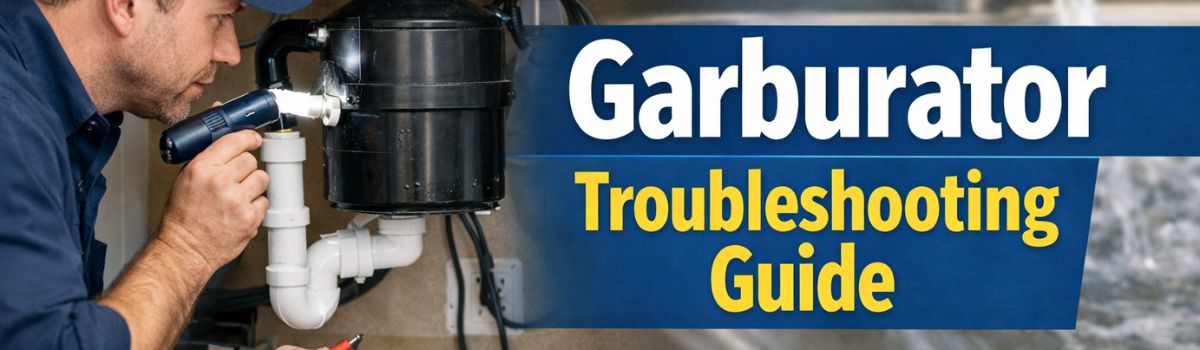
Nanaimo Residents’ Guide to Garburator Troubleshooting
Garburators, also known as garbage disposals, are essential appliances in modern kitchens. They help manage food waste efficiently by grinding it into small particles that can be easily flushed through plumbing systems. This not only keeps kitchens cleaner but also reduces the amount of waste sent to landfills.
In Nanaimo, residents commonly face issues such as clogs, jams, unusual noises, and leaks with their garburators. These problems can disrupt daily kitchen activities and may lead to costly repairs if not addressed promptly. Hiring a quick and affordable garbage disposal fix expert ensures problems are resolved without breaking the bank.
Regular maintenance and timely troubleshooting of garburators offer several benefits. They extend the lifespan of the appliance, improve kitchen hygiene, prevent plumbing problems, and save money by avoiding major repairs. Understanding common issues and how to resolve them is key to keeping your garburator running smoothly.
Understanding Your Garburator
What is a Garburator?
A garburator, also known as a garbage disposal unit, is a kitchen appliance installed under the sink that helps in grinding food waste into small particles. This allows the waste to be flushed down the plumbing system easily, reducing the chance of clogs and making kitchen cleanup more efficient. The primary function of a garburator is to shred food scraps into tiny pieces that can pass through the pipes without causing blockages.
Typical components of a garburator include a grinding chamber, a rotating impeller plate, a motor, and a splash guard. When the unit is turned on, the motor powers the impeller plate to spin rapidly, which then grinds food waste against a stationary grind ring. This mechanical action breaks down the food into small particles. The splash guard helps prevent water and debris from splashing out of the unit during operation.
Common Types of Garburators in Nanaimo Homes
In Nanaimo, many homeowners prefer reliable and efficient garburator brands. One of the most popular brands is InSinkErator, known for its durable models and effective grinding capabilities. InSinkErator offers various models catering to different household needs, from basic to more powerful units that handle larger volumes of food waste.
Other brands may also be found in Nanaimo homes, but InSinkErator remains a common choice due to its availability, customer support, and reputation for quality. When selecting a garburator, residents often consider factors such as motor power, noise level, and ease of installation.
Safety Precautions Before Troubleshooting
Before you start troubleshooting your garburator, it’s crucial to prioritize safety. Always turn off the power to the unit before any inspection or repair. This prevents accidental activation and reduces the risk of injury. You can usually do this by unplugging the garburator or switching off the circuit breaker dedicated to it.
Wear gloves to protect your hands from sharp blades and debris inside the disposal. Using the correct tools, such as a hex wrench or pliers, makes the process safer and more effective.
If you encounter issues that seem beyond basic fixes, or if you are uncomfortable performing any step, it’s best to call a professional. Licensed plumbers have the experience and equipment to handle complex problems safely.
Step-by-Step Troubleshooting Guide
Diagnosing Common Problems
Before attempting any repairs, it’s important to identify the specific issue with your garburator. Common problems include:
- Garburator not turning on: This usually indicates a power issue or an internal electrical fault.
- Jamming or grinding noises: These sounds often mean something is stuck inside the blades or the unit is obstructed.
- Slow drainage and clogging: Wastewater may not be draining properly due to blockages in the pipes or the garburator itself.
- Foul or persistent odors: Bad smells can result from trapped food debris or buildup inside the unit.
Fixing Power Issues
If your garburator is not turning on, start with these basic steps:
- Unplug and check power connections: Ensure the unit is properly plugged in and that the outlet is functioning.
- Press the reset button: Most units have a reset button located on the bottom. Pressing it can often restore power after an overload.
- Check fuses or circuit breakers: If the reset button doesn’t work, inspect your home’s fuse box or breaker panel for a tripped breaker or blown fuse, and replace or reset as needed.
Unjamming the Garburator
If the unit hums but doesn’t grind, it’s likely jammed:
- Use a manual crank wrench: Insert the wrench into the designated hole at the bottom of the garburator to manually turn and free the stuck blades
- Avoid common jam causes: Prevent jams by not putting bones, metal objects, or fibrous materials like corn husks and celery stalks down the disposal.
Clearing Slow Drainage and Clogs
To address slow drainage:
- Check for blockages: Inspect the pipes and traps connected to your garburator for any visible clogs.
- Use natural cleaning agents: Employ natural solutions or approved drain cleaners to clear buildup without damaging your plumbing.
Eliminating Odors
Persistent odors can be managed with these methods:
- Clean with ice cubes: Running ice cubes through the unit sharpens the blades and helps dislodge debris.
- Use baking soda and lemon: Pour a mixture of baking soda and lemon juice into the disposal to neutralize smells and freshen the unit.
Conclusion
Troubleshooting your garburator effectively involves several key steps: identifying common issues like jams, leaks, or unusual noises; safely resetting the unit; clearing blockages; and inspecting electrical connections. Regular cleaning and maintenance routines, such as using appropriate cleaning agents and avoiding hard or fibrous food waste, help prevent many common problems. Understanding these steps can save you time and money by avoiding unnecessary repairs or replacements.
Proactive maintenance is crucial to extending the life of your garburator. Simple practices like running cold water during operation, avoiding overloading, and periodic cleaning can keep your disposal running smoothly for years. By staying attentive to your garburator’s performance and addressing minor issues promptly, you ensure reliable function and reduce the risk of costly repairs down the line.