
Comparing Dryer Venting Brands
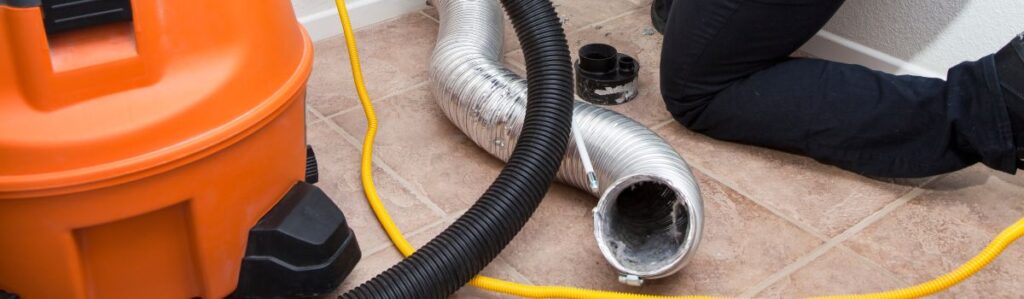
Comparing Dryer Venting Brands: Which Is Right for Your Home in BC?
When most people think about dryer vents, they picture a simple metal tube hidden behind them. It seems like a minor component of the laundry setup out of sight and mind. But your dryer vent system plays a much more critical role than most homeowners realize. The type of vent you choose impacts not just how well your dryer performs but also your monthly energy bill, the lifespan of your machine, and, most importantly, the safety of your home. A proper dryer vent system upgrade can improve performance, boost efficiency, and reduce fire risks significantly.
In British Columbia, where homes range from modern downtown condos to heritage houses in coastal towns, dryer venting needs can vary drastically. Building codes are strict for good reason, and the cool, damp, and often rainy climate can affect venting performance and safety. So, it’s essential to make the right choice regarding the type of dryer vent and the brand you trust. This guide is here to break it all down so you can make an informed, confident decision.
Why Dryer Venting Matters More Than You Think
Dryer vents are often overlooked, yet they are one of the most important parts of your laundry system. When lint and debris accumulate inside the vent, it reduces airflow and creates a highly flammable environment. Thousands of house fires across North America are caused yearly by clogged or unsafe dryer venting systems. Fire safety organizations consistently highlight this hazard during Fire Prevention Week, emphasizing how many incidents could be prevented with better venting choices.
Aside from the fire risk, there’s also the matter of energy efficiency. A clogged or inefficient vent forces your dryer to work harder and longer to dry clothes. This not only increases your hydro bill but also adds unnecessary wear and tear to your appliance. Over time, that can mean more frequent repairs or even the premature need to replace your dryer.
British Columbia homeowners must also be aware of local building codes, which prohibit certain vent materials like plastic or vinyl due to safety risks. If your current setup includes outdated or non-compliant materials, upgrading to a modern, approved vent can protect your investment and your home.
This guide will help you understand the different vent types and compare the top venting brands available in Canada so you can make the safest and most efficient choice for your home.
The Main Types of Dryer Vents – Pros, Cons, and Uses
Rigid Metal Ducts
Rigid metal ducts are considered the industry standard for dryer venting. They are typically made from smooth aluminum or galvanized steel and are installed in straight runs with minimal bends. These ducts provide excellent airflow and are the safest, most durable option.
Pros:
- Smooth interior reduces lint buildup and maximizes airflow
- Fully compliant with all Canadian and BC-specific building codes
- Highly resistant to heat and physical damage
Cons:
- Inflexible, making installation difficult in tight or awkward spaces
- Requires cutting and precise alignment, often best handled by professionals
It is best used in single-family homes with accessible wall or exterior vent exits and plenty of room behind the dryer for installation.
Semi-Rigid Metal Ducts
Semi-rigid metal ducts offer a compromise between flexibility and safety. They can bend around corners, making them easier to install than rigid ducting, but they still maintain fire resistance and decent airflow.
Pros:
- Easier to install in tight spaces compared to rigid ducts
- Still safe and compliant in most situations
- Readily available at most hardware stores
Cons:
- It can be crushed if not handled properly
- May kink if over-bent, restricting airflow and increasing lint buildup risk
These are commonly used in apartments, condominiums, or any layout where space is tight and access to the dryer’s rear is limited.
Flexible Foil Ducts
Flexible foil ducts are made from accordion-style aluminum foil. They are very flexible, making installation fast and easy. However, their flexibility also creates multiple ridges inside the duct, where lint can easily collect. These ducts are no longer recommended for permanent installations.
Pros:
- Very inexpensive and easy to install
- Ideal for short-term or temporary solutions
Cons:
- Flammable and easily crushed or torn
- Interior ridges trap lint, creating fire hazards
- May not pass inspection under current BC building codes
While they’re commonly seen in older homes or DIY installations, foil ducts are best avoided if you want long-term performance and safety.
Plastic or Vinyl Ducts
There’s no gentle way to say this: plastic and vinyl dryer ducts should not be used. While they may have been common decades ago, today, they are strictly prohibited in most areas due to their high flammability.
Pros:
- None worth noting for modern standards
Cons:
- Extremely flammable and a major safety risk
- Not code-compliant in British Columbia or most of North America
If you still have one installed in your home, immediately replace it with a safer alternative.
Smart Solutions for Tight Spaces
Sometimes, especially in condos or small homes, you don’t have the luxury of space behind your dryer. That’s where modern, space-saving venting options come into play.
- Periscope vents: These flat, telescoping metal ducts are designed to fit in narrow gaps. They can connect a dryer to the wall duct even when there are only a couple of inches to work with.
- Magnetic vents (like MagVent): These use magnets to secure a vent connection, making installation simple and allowing for easy disconnection during cleaning or appliance servicing. They’re great for homeowners who want a tool-free solution.
- Recessed vent boxes: Installed into the wall, these boxes give the duct space to breathe without pushing the dryer too far. They’re especially useful in newer construction or renovation projects.
These options are perfect for stacked washer-dryer units, shallow closets, or laundry rooms with limited clearance.
Comparing the Top Dryer Venting Brands in Canada
Here’s a detailed comparison of five trusted brands widely available in British Columbia. Each has unique strengths, so the best choice will depend on your space, safety needs, and budget.
Dundas Jafine
- Canadian-owned and operated, with products stocked in most local hardware stores like Home Depot and Canadian Tire
- Offers a wide variety of venting products, including UL-listed semi-rigid ducts, clamps, and wall vents
- Known for affordability, accessibility, and local support
- A strong choice for homeowners who want peace of mind with domestic availability
Lambro
- Known for producing DIY-friendly kits that are popular in retail chains
- Offers a range of foil and semi-rigid ducts, vent caps, and accessories
- Best suited for straightforward installations where budget matters
- Their products may not have the same premium finish as others, but they do the job for less
Deflecto
- A premium option for those seeking top-tier fire resistance and commercial-grade performance
- The product line includes metal ducts, vent guards, and airflow-optimized designs
- Ideal for homeowners with long vent paths or higher-than-average laundry loads
- Slightly more expensive but offers excellent quality and longevity
DryerJack
- Specializes in high-performance roof vents designed to maintain airflow and reduce lint clogs
- Best suited for multi-story homes or layouts where the vent exits through the roof
- Offers low-profile designs to resist weather and backdraft
- Premium brand that’s worth considering for complex installations
Builder’s Best
- Known for innovation in tight-space venting, including periscope and recessed vent products
- Strong seals, solid construction, and tailored designs for modern laundry rooms
- A go-to choice for small urban homes and tight laundry closets
How to Choose the Right Dryer Vent Brand
Not sure which brand or product is right for your space? Use this simple checklist:
- Measure your vent path: Is the distance short and direct or long and winding?
- Count your bends: Each 90-degree turn adds resistance and increases lint buildup risk
- Know your exhaust point: Does your dryer vent through a wall, the roof, or the floor?
- Check for safety certifications: Look for UL 2158A on the label to ensure fire resistance
- Consider accessibility: Can you buy parts locally if something breaks or needs replacing?
- Know your skills: If you do this yourself, stick with DIY-friendly kits. Otherwise, it may be best to hire a pro.
This list can help prevent costly mistakes and guide you to a safer, more efficient laundry system.
Common Installation Mistakes and How to Avoid Them
Even the best dryer vent can become a hazard if installed incorrectly. Here are the top mistakes homeowners make:
- Using outdated plastic ducts: Still found in older homes, these are dangerous and no longer code-compliant
- Skipping proper clamps and seals: Duct tape isn’t enough. Use metal clamps or foil-backed tape for secure connections.
- Pushing the dryer too close to the wall crimps the duct and restricts airflow, leading to lint clogs and overheating.
- Failing to clean or inspect vertical vent runs: Due to gravity, vertical ducts are prone to lint buildup and need more frequent maintenance.
Quick fixes:
- Use a periscope vent to allow closer placement to the wall without crushing the duct
- Opt for magnetic vent connectors for simple installation and easy cleaning access
Maintaining Your Dryer Vent for Safety and Efficiency
Routine maintenance isn’t just a good idea it’s essential. Here’s how to keep your dryer vent system in top shape:
- Clean the lint trap after every load. This reduces the amount of lint that enters the venting system.
- Visually inspect the vent duct monthly. Look for crushing, kinks, or lint buildup.
- Do a deep clean annually. This may involve disconnecting the vent, using a brush kit, or hiring a professional service.
- Replace damaged or old ducts. If the duct feels brittle, discoloured, or shows signs of damage, replace it immediately.
BC homeowners should consider booking a certified vent cleaning service at least once a year especially during or after winter when condensation and lint buildup can become more pronounced.
Frequently Asked Questions
Are plastic vents legal in BC?
No. Plastic and vinyl ducts are outdated and banned in most jurisdictions due to their high fire risk. If you’re buying or renovating a home, it’s important to check and replace them with metal alternatives.
What vent is best for long runs?
Rigid metal ducts or high-efficiency systems like DryerJack are ideal for long venting paths. Their smooth interiors reduce airflow resistance and lint accumulation.
Can I reuse an old duct when changing dryers?
Yes, if the existing duct is rigid or semi-rigid metal and in good condition. But replace any duct that’s flexible foil, plastic, or showing signs of damage.
Is a roof vent better than a wall vent?
It depends on your home’s layout. Roof vents are sometimes necessary but can be harder to maintain. Wall vents are easier to clean and inspect but may require a longer vent run.
Can I do a DIY installation on a strata property?
Possibly, but always check with your strata council first. Due to insurance and safety regulations, many buildings require licensed tradespeople for ventilation modifications.
Final Thoughts: Your Best Bet for Safe, Efficient Venting
Choosing the right dryer venting system can feel overwhelming, but it doesn’t have to be. Magnetic or periscope vents offer flexible and effective solutions if you’re working with limited space. Dundas Jafine and Deflecto stand out as top choices for quality and durability. If you’re handling the installation yourself, Lambro’s user-friendly kits are great for getting started. For long vent runs or roof exhausts, DryerJack is engineered for performance.
Dryer venting may not be the flashiest part of your home, but it’s one of the most important. When in doubt, don’t guess consult a licensed technician or a local building inspector. Safe, efficient venting starts with informed decisions.