
Upgrading vs Repairing Your Dryer
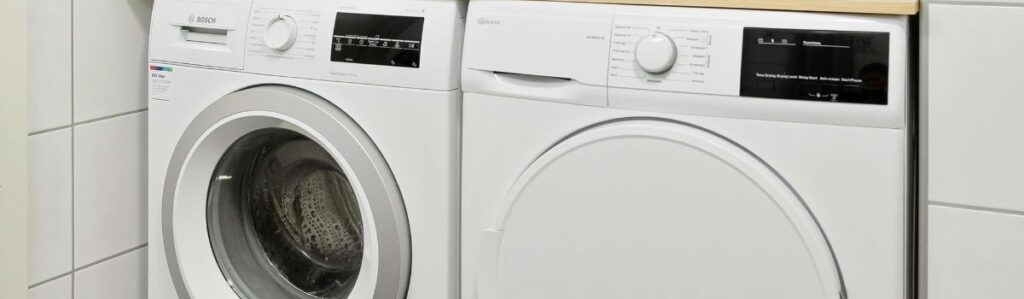
Should You Repair or Replace Your Dryer? Here’s How to Decide
Your dryer is acting up; clothes are coming out damp, it’s making weird noises, or maybe it just won’t start. Not great. Sometimes, these issues are caused by wiring problems and solutions may be simpler than you think. At this point, you’ve got two roads: try to fix it, or bite the bullet and replace it with something new. Each route has its pros and pitfalls, and your decision isn’t just about convenience. It’s about time, money, and whether you want to risk another breakdown six months from now. This guide breaks it down simply, so you can determine which option makes the most sense for your washer-dryer setup, schedule, and budget.
What to Check First
Before rushing into a fix or spending money on a new machine, take a minute to assess your dryer calmly. First, how old is it? Most dryers are built to last between 10 and 13 years. If yours is pushing past that or worse, with a birthday cake that has more than 15 candles, it’s already on borrowed time.
Next, look at the repair history. If this is its third breakdown this year, you’ve got a pattern. Small repairs here and there are fine, but if you’re constantly swapping out parts, it might be a money pit in disguise.
Then there’s performance. Dryers speak in subtle ways: longer cycles, clothes that come out damp or musty, weird thuds or squeals. These could be signs of worn-out components or bigger issues under the hood.
Lastly, check if it’s still under warranty. You’d be surprised how many people forget this part. A covered repair might mean zero out-of-pocket cost and no need to worry about it. Just get it fixed.
When It Makes Sense to Repair
Not every glitch means it’s time for a new dryer. If yours is relatively young, under five or six years old, it likely still has some life left in it. Repairing can be a smart choice, especially when the issue is simple and inexpensive to fix.
Common Repair-Worthy Issues
Consider repairing if you’re dealing with minor problems such as:
- A busted belt
- A door that won’t latch
- A faulty thermostat
These components are typically inexpensive and often easy to replace either as a DIY fix or with a low-cost service call.
Cost Comparison Rule
A general rule of thumb:
- If the repair costs less than 50% of a new dryer, it’s worth doing. Especially if: The dryer hasn’t had frequent issues. It still meets your functional needs
Compatibility & Convenience
Replacing a dryer isn’t just about the money; it can trigger other hassles:
- It might be part of a stackable or matching washer-dryer set
- New models may not fit neatly into your current space
- Replacing just one unit may lead to expensive domino upgrades
Avoid the Shopping Headache
If you’re dreading the process of:
- Researching new models
- Scheduling delivery
- Figuring out disposal for your old unit
…a quick repair can buy you time and peace of mind.
When to Consider Upgrading
At a certain point, repairs start to feel like throwing good money after bad. If your dryer is over a decade old, that’s your first red flag. Things wear out, and technology moves on. If you’ve already replaced a couple of parts and something else is starting to go wrong, it’s worth asking if you’re just delaying the inevitable.
Dryers that have been limping along with longer drying times or making more noise than usual often have multiple components, such as the edge heating element, motor, or even drum rollers, that are malfunctioning. Fixing one won’t fix them all. And if you’ve paid for repairs more than once in the past few years, it’s smart to stop the cycle before it turns into a money pit.
Also consider: newer models just do the job better. They sense moisture, automatically adjust drying times, and use less electricity. That’s money back in your pocket each month, especially if your utility bills have been creeping up.
Another tipping point? If your washer is also nearing the end of its life, a full upgrade might make sense. Matching sets generally work better together (less clothing wear, more consistent performance) and might mean fewer headaches going forward.
And let’s not forget convenience: quieter cycles, faster drying, smarter settings. If you use your dryer a lot, those upgrades aren’t just bells and whistles; they save time and make your life easier.
Pros and Cons of Repairing
Pros
Repairing your dryer is usually the quickest and cheapest route, especially if the issue is something minor, like a busted thermal fuse or a worn-out drum belt. You’ll avoid the mental chore of comparison shopping and won’t need to rework your laundry layout. Your daily routine stays intact; you don’t have to wait around for delivery or installation crews.
Cons
But repairs aren’t always a long-term win. If your machine’s already pushing a decade, fixing it might buy you only a few more months of use before something else breaks. Older dryers can be finicky when it comes to parts; some are discontinued or cost more than they should. And if your model’s out of production, good luck getting help from the manufacturer or finding updated support documentation. You might save now, but chances are you’ll be back at square one sooner than you think.
Pros and Cons of Upgrading
Pros
Upgrading means starting clean. New dryers are more efficient, faster, and quieter. If your current one is limping along, a modern unit could cut down drying time and your energy bill. Many models now have smart features, such as moisture sensors that stop the cycle when your clothes are dry, saving you heat, time, and wear on your fabrics. You also get that fresh warranty cushion, usually one to three years standard, sometimes more with higher-end brands. Reliability improves, settings are smarter, and everything just works better.
Cons
Still, upgrades aren’t painless. The obvious snag is cost. A mid-range dryer can run $500–$900, and that’s before tax, delivery, and maybe haul-away fees. Then there’s the space issue; you’ll need to check the dimensions so your new unit fits well, especially if you’re dealing with a tight laundry nook or need to stack things. And don’t forget, someone has to deal with your old machine. Stores may offer a haul-away option, but it’s not always included, and dumping fees are real. So, yes, upgrades are better in the long term, but the switch could give you a short-term headache.
Other Things to Think About
Before you make the call, take a breath and consider a few extras that could tip the balance.
First up: energy use. Modern dryers, especially ENERGY STAR or heat pump models, use a lot less energy. If your power bill keeps creeping up, a new dryer might start paying for itself faster than you’d expect.
Next, gas or electric? If you’re upgrading, this matters. Gas dryers need a gas line and proper venting. Electric dryers need a 240v outlet. Swapping from one type to the other can add steep installation costs. Unless you’re doing a full laundry room upgrade, it’s usually easier to stick with what you’ve got.
Speaking of installation, don’t forget about delivery and setup. Some stores will include them for free, while others won’t. Check the fine print. And don’t assume they’ll haul the old one away for free.
Last, look for rebates. Many utility companies or state programs offer cash back when you buy energy-efficient appliances. It’s free money worth a quick search before you hit “checkout.”
Final Thoughts
When deciding whether to repair or replace a dryer, it’s about more than just fixing a machine; it’s about evaluating your time, money, and long-term peace of mind.
When to Repair
If your dryer is still in good shape and the issue is minor, repairing might be your best bet. Consider this option if:
- The dryer is relatively new
- The repair is inexpensive or easy to perform
- You want to avoid the hassle of shopping and delivery
Benefit: You save money and avoid the disruption of replacing a household appliance.
When to Replace
On the other hand, replacement may be smarter in situations like these:
- The machine is past its expected lifespan
- It’s making unusual noises or showing signs of serious wear
- It’s becoming more expensive to run (e.g., higher power bills)
Long-term gain: The upfront cost of a new dryer may be offset by energy savings and reduced breakdowns.