
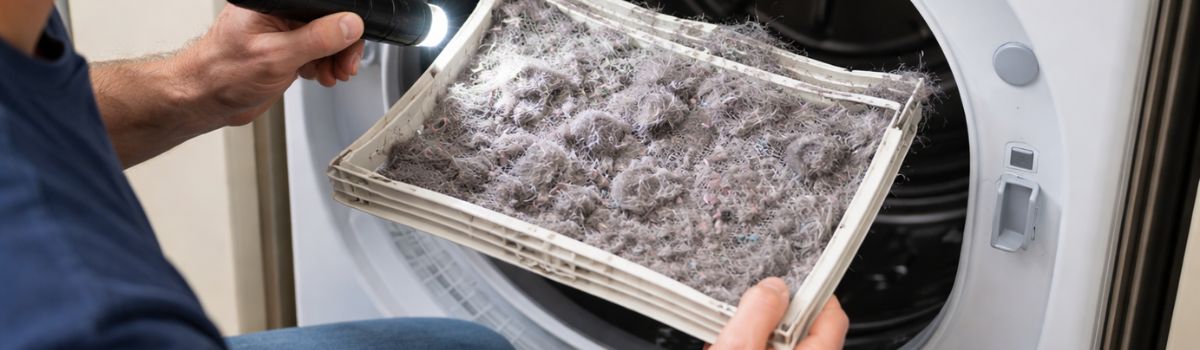
What to Know About Clogged Lint Trap Housing in Victoria Dryers
Maintaining a clean lint trap housing in Victoria dryers is essential for the safe and efficient operation of your appliance. Over time, lint buildup can accumulate in the trap housing, leading to several common problems such as reduced drying performance, increased energy consumption, and even potential fire hazards.
Regular servicing of the lint trap housing helps prevent these issues by ensuring proper airflow and preventing overheating. Keeping this component clean, along with considering lint trap upgrades for better performance, not only enhances the dryer’s efficiency but also extends its lifespan, saving you money on repairs and replacements in the long run.
Understanding the Dryer Lint Trap Housing
The lint trap housing in a dryer is a compartment designed to hold the lint filter. Its primary function is to catch and collect lint, fibers, and debris that shed from clothes during the drying cycle. This prevents the lint from entering the dryer’s vent system, which could cause blockages or even fire hazards.
Lint accumulates in the trap housing as clothes tumble and dry. Over time, this buildup can become significant, restricting airflow and reducing the dryer’s efficiency. A clogged lint trap housing forces the dryer to work harder, leading to longer drying times, increased energy consumption, and potential overheating.
Victoria dryers feature a variety of lint trap designs, each with unique characteristics. Some models have removable lint screens housed in a pull-out tray, while others use a hinged flap system or a slot located on the top or inside the door frame. Understanding these differences is important when servicing the dryer, as each design requires specific cleaning methods to ensure the lint trap housing is thoroughly cleared and the dryer operates safely and efficiently.
Tools and Materials Needed for Servicing
To effectively service a Victoria dryer with a clogged lint trap housing, having the right tools and materials is essential. Here is a list of what you’ll need:
Basic Tools:
Vacuum cleaner with a hose attachment: This helps in removing lint and dust from hard-to-reach areas.
Microfiber cloths: Ideal for wiping down surfaces without leaving lint behind.
Soft brush: Useful for gently loosening lint buildup inside the trap housing.
Screwdriver: Required for opening the lint trap housing or any panels that need to be accessed.
Recommended Cleaning Agents and Safety Gear:
Mild detergent or specialized appliance cleaner: To clean surfaces without causing damage.
Safety gloves: Protect your hands from sharp edges and cleaning agents.
Dust mask: Prevents inhalation of lint particles and dust during cleaning.
Using these tools and materials ensures that the servicing process is both efficient and safe, helping maintain your Victoria dryer’s performance and longevity.
Step-by-Step Guide to Cleaning the Lint Trap and Housing
1. Preparing the Dryer for Maintenance
Before beginning any cleaning, ensure the dryer is unplugged from the power source to avoid any electrical hazards. Also, make sure the dryer has completely cooled down if it was recently used to prevent burns or injuries.
2. Removing and Cleaning the Lint Trap
Carefully remove the lint trap by pulling it straight out from its housing. Avoid forcing it at an angle to prevent damage. Once removed, manually remove all accumulated lint by hand or with a soft brush. If the lint trap is washable, rinse it under warm water and allow it to dry completely before reinstalling.
3. Cleaning Inside the Lint Trap Housing
Lint can become embedded inside the lint trap housing, which can restrict airflow and reduce dryer efficiency. Use a vacuum cleaner with a narrow attachment to reach inside the housing and remove loose lint. Follow up with a soft brush to dislodge any stubborn lint stuck to the interior surfaces. Be thorough to ensure all hidden lint accumulation is cleared out, as this can be a common source of dryer problems.
4. Inspecting and Cleaning the Dryer Vent and Exhaust Hose
Regular maintenance of the dryer vent and exhaust hose is crucial to prevent lint buildup that can cause blockages or even fire hazards. Detach the vent and hose from the dryer and inspect for lint accumulation. Clean them by using a specialized vent cleaning brush or a vacuum to remove debris. Ensuring the vent paths are clear promotes proper airflow and dryer efficiency.
5. Reassembling and Testing the Dryer
After cleaning, carefully reinstall the lint trap into its housing, ensuring it fits securely. Reattach the vent and exhaust hose properly. Plug the dryer back in and run a test cycle to verify that airflow is unobstructed and the dryer functions correctly.
Tips to Prevent Future Clogs
Proper maintenance is key to preventing clogs in your Victoria dryer’s lint trap housing. Here are some effective tips to keep your dryer running smoothly:
Regular lint trap cleaning after every load: Always clean the lint trap after each drying cycle. Removing lint buildup immediately prevents it from accumulating and causing blockages.
Monthly deep cleaning of lint trap housing and vents: At least once a month, perform a thorough cleaning of the lint trap housing and dryer vents. This helps clear out any hidden lint that regular cleaning might miss.
Scheduling professional inspections annually: Even with regular cleaning, it’s important to have a professional inspect your dryer and vents once a year. Professionals can identify and address potential issues before they become serious problems, ensuring your dryer operates safely and efficiently.
Implementing these maintenance steps will help prevent lint trap housing clogs and extend the life of your Victoria dryer.
Safety Considerations
When servicing Victoria dryers with clogged lint trap housing, safety should be the top priority. One of the main risks associated with clogged lint traps is fire. Lint is highly flammable, and when it accumulates in the dryer, it can ignite due to the heat generated during drying cycles.
Proper handling during cleaning is also crucial to avoid damage to the dryer components. Use gentle tools and avoid sharp objects that could puncture or damage the lint trap housing or surrounding parts. Damaged components can reduce the dryer’s efficiency and increase safety risks.
Before starting any servicing, always ensure the dryer is unplugged from the power source to prevent electrical shock. Additionally, allow the dryer to cool down completely, as the interior parts can become very hot during operation. Taking these precautions minimizes the chance of injury and ensures a safe maintenance process.
Troubleshooting Common Issues
Dryer Not Drying Clothes Efficiently
If your dryer is not drying clothes effectively, the first thing to check is the lint trap housing. A clogged lint trap can restrict airflow, causing longer drying times. Clean the lint trap thoroughly and inspect the housing for any trapped lint buildup. Additionally, ensure the vent hose is not kinked or blocked. Poor airflow reduces drying efficiency and can increase energy consumption.
Excessive Heat Buildup
Excessive heat in your dryer can be dangerous and may indicate a blockage in the lint trap housing or vent system. When lint accumulates, it restricts the airflow needed to dissipate heat, causing the dryer to overheat. Overheating can damage the appliance and poses a fire risk. Regularly cleaning the lint trap housing and vent ducts helps prevent this issue.
Unusual Noises During Operation
Hearing strange sounds while your dryer runs can signal issues such as lint caught in the trap housing or problems with internal components. A clogged lint trap can cause the dryer to work harder, which might lead to noises like rattling or buzzing. If cleaning the lint trap does not resolve the noise, inspect for loose parts or worn belts.
Benefits of Regular Servicing
Regular servicing of your Victoria dryer, especially when dealing with a clogged lint trap housing, offers several important benefits.
Enhanced Dryer Efficiency and Reduced Energy Consumption
A clean lint trap and well-maintained dryer ensure air flows freely, allowing the dryer to operate at peak efficiency. This reduces the amount of energy needed to dry clothes, lowering your utility bills and minimizing environmental impact.
Prolonged Lifespan of the Dryer
Routine maintenance helps prevent wear and tear on components caused by overheating or overworking. By keeping the lint trap housing and other parts clean, you reduce strain on the dryer’s motor and heating elements, extending the appliance’s overall lifespan.
Reduced Risk of Fire Hazards
Lint buildup is a common cause of dryer fires. Regular servicing removes accumulated lint and debris from the trap and housing, significantly reducing this risk and keeping your home safer.
Improved Drying Times and Fabric Care
With a clean lint trap housing, your dryer dries clothes more quickly and evenly. This not only saves time but also helps protect fabrics from excessive heat exposure, maintaining the quality and longevity of your garments.
Specialized Considerations for Victoria Dryers
Victoria dryers are known for their durability and efficiency, but servicing them requires attention to specific details unique to their design. Common models such as the Victoria Series 3000 and 4500 have lint trap housings that differ slightly in shape and size compared to other brands. This means that lint removal and cleaning procedures must be adapted to ensure thorough maintenance without damaging the unit.
One nuance in maintaining Victoria dryers is the placement of the lint trap housing, which is often more recessed than in other models. This can make accessing and clearing clogged lint more challenging, requiring specialized tools or techniques to prevent lint buildup that could affect dryer performance.
When servicing Victoria dryers, it’s also important to consider the availability of parts. In Victoria and surrounding areas, local service centers are generally well-stocked with replacement lint trap components and other essential parts, facilitating quicker repairs. However, in more remote locations, parts may need to be ordered directly from manufacturers or authorized dealers, potentially increasing downtime.
Engaging technicians familiar with Victoria dryers can ensure that maintenance is performed correctly, prolonging the unit’s lifespan and maintaining optimal drying efficiency. Their experience with common issues, such as lint trap housing clogs, allows them to identify and address problems promptly.
Overall, understanding the specific maintenance nuances of Victoria dryer models and leveraging local service support are key to effective servicing and preventing lint-related issues.
Conclusion
Servicing a clogged lint trap housing in Victoria dryers is essential for maintaining dryer efficiency, preventing potential fire hazards, and extending the lifespan of your appliance. Regularly cleaning not only the lint trap but also the surrounding housing ensures optimal airflow and reduces the risk of overheating. Establishing a consistent maintenance routine, including inspecting and clearing the lint trap housing, can save you from costly repairs and improve dryer performance.
By making lint trap cleaning a regular habit, you contribute to a safer and more efficient laundry environment. For best results, follow recommended cleaning practices and schedules as outlined by trusted sources to keep your dryer running smoothly and safely.