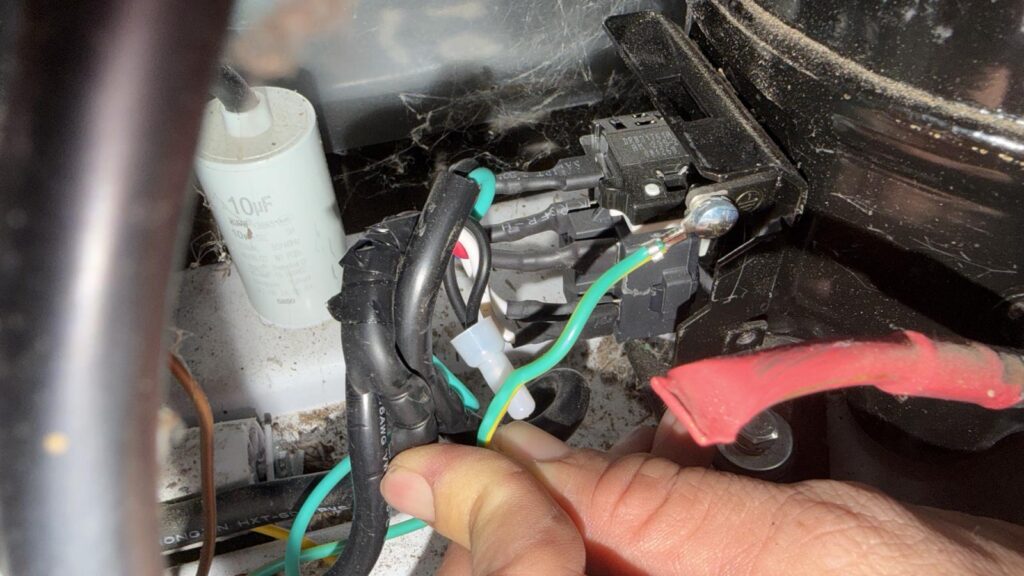
If your refrigerator suddenly stops cooling, makes clicking noises, or struggles to start properly, the problem may be related to the compressor capacitor. This small electrical component plays a major role in helping the refrigerator compressor start and run efficiently. When it begins to fail, cooling performance can quickly become unreliable.
At ElectraFix BC, we regularly help homeowners across Delta, Ladner, Tsawwassen, and North Delta diagnose refrigerator startup problems caused by failing capacitors, relays, and compressor components. In many cases, these issues begin with subtle warning signs before eventually leading to a complete cooling failure.
This updated 2026 guide explains how refrigerator compressor capacitors work, what symptoms to watch for, common causes of failure, and when it makes sense to repair versus replace your refrigerator.
What Does a Refrigerator Compressor Capacitor Do?
The compressor capacitor helps provide the electrical boost needed to start the refrigerator compressor. Think of it as a temporary energy storage device that assists the compressor during startup.
Without a properly functioning capacitor, the compressor may:
- Fail to start
- Overheat
- Cycle repeatedly
- Make clicking or buzzing noises
- Shut off unexpectedly
Modern refrigerators rely on several interconnected electrical components, including:
- Start capacitors
- Compressor relays
- Overload protectors
- Inverter boards
- Sealed system components
When one part begins to fail, it can place extra strain on the rest of the refrigeration system.
Common Signs of Refrigerator Compressor Capacitor Failure
A failing capacitor usually produces warning signs before the refrigerator stops cooling completely.
Refrigerator Clicking But Not Cooling
One of the most common symptoms is a clicking sound coming from behind the fridge every few minutes. This often happens when the compressor attempts to start but cannot maintain operation.
In many Delta homes, we see this issue develop gradually over several weeks before the refrigerator finally stops cooling entirely.
Compressor Buzzing Noise
A buzzing or humming sound followed by silence may indicate:
- Weak startup voltage
- Capacitor failure
- Compressor relay problems
- Compressor overheating
Refrigerator Warm But Interior Lights Work
If the lights and control panel still function but cooling stops, the issue may involve the compressor startup system rather than a full electrical failure.
Compressor Overheating
A bad capacitor can force the compressor to repeatedly attempt startup, causing excessive heat buildup. In some cases, homeowners notice:
- Hot side panels
- Burning smells
- Intermittent cooling
- Increased energy bills
Breaker Trips or Power Fluctuations
A failing capacitor can create abnormal amperage spikes during startup, especially in older refrigerators.
What Causes Refrigerator Capacitors to Fail?
Several factors can shorten the lifespan of refrigerator compressor capacitors.
Power Surges
Power fluctuations are one of the most common causes of capacitor damage. Sudden voltage spikes can weaken internal capacitor materials over time.
Heat Exposure
Compressors naturally generate heat. When condenser coils become dirty or airflow is restricted, excessive heat can damage nearby electrical components.
Aging Components
Most refrigerator capacitors slowly weaken with age. Older units often require longer startup cycles, placing additional stress on the capacitor.
Compressor Strain
If the compressor itself begins wearing out, the capacitor may work harder to initiate startup, eventually failing under increased electrical load.
Moisture and Humidity
In coastal regions near Delta and Tsawwassen, humidity exposure can contribute to corrosion and electrical deterioration inside refrigerator components.
What We Commonly See in Delta BC Homes
At ElectraFix BC Refrigerator Repair Services, some of the most common refrigerator capacitor-related problems we encounter include:
- Burnt start capacitors in older Whirlpool refrigerators
- LG inverter compressor startup failures
- Samsung refrigerators clicking repeatedly without cooling
- GE refrigerators overheating during summer months
- Compressor relays damaged after power outages
- Capacitors weakened by dirty condenser coils
Many homeowners initially assume the refrigerator is completely dead when the issue is actually limited to the startup system.
How We Diagnose Compressor Capacitor Problems
Professional diagnosis usually involves several steps.
Visual Inspection
Technicians inspect:
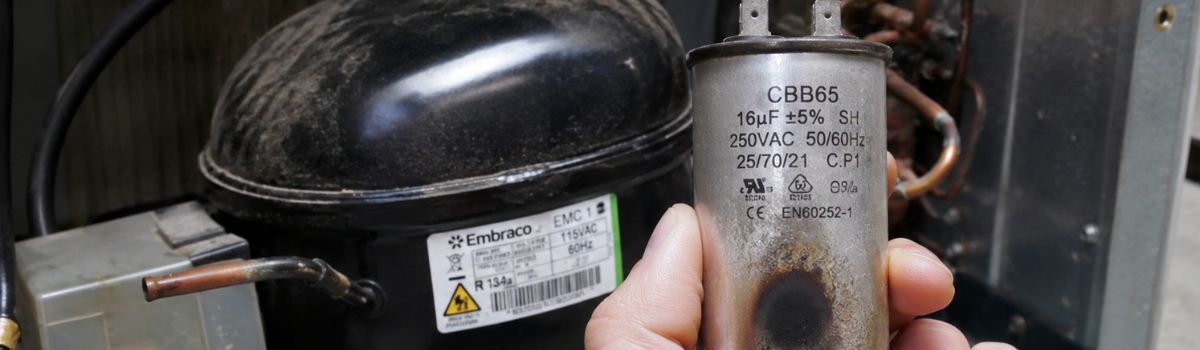
- Burn marks
- Bulging capacitors
- Melted relay housings
- Damaged wiring
Voltage Testing
Using a multimeter, technicians test:
- Capacitor capacitance
- Startup voltage
- Compressor amperage
- Relay continuity
Compressor Evaluation
It is important to determine whether:
- only the capacitor failed
- the compressor relay failed
- the compressor itself is damaged
A failing compressor can sometimes mimic capacitor-related symptoms.
DIY Troubleshooting Steps
Before calling a technician, homeowners can perform several basic checks safely.
Listen for Startup Noises
Repeated clicking or buzzing from the rear compressor area often points toward startup component failure.
Check Condenser Coils
Dirty condenser coils can cause overheating and electrical strain.
Carefully vacuum:
- rear coils
- bottom ventilation areas
- dust buildup around the compressor
Reset the Refrigerator
Unplug the refrigerator for 5 to 10 minutes before reconnecting power.
Sometimes the overload protector temporarily trips due to overheating.
Check for Heat Behind the Fridge
If the compressor area feels extremely hot, avoid repeatedly restarting the unit. Continued attempts may worsen compressor damage.
When to Call for Help?
Some refrigerator electrical repairs can become dangerous due to stored electrical charge inside capacitors.
Professional repair is recommended when:
- the refrigerator repeatedly clicks but will not start
- the compressor overheats
- there is a burning smell
- the refrigerator trips breakers
- cooling becomes intermittent
- startup components require electrical testing
Modern refrigerators also contain sensitive inverter systems that require specialized diagnostic procedures.
Repair vs Replacement: What Makes Sense?
In many cases, replacing a failed compressor capacitor is significantly less expensive than replacing the refrigerator.
Capacitor Replacement Usually Makes Sense When:
- the refrigerator is under 10 years old
- the compressor itself still functions
- cooling performance was otherwise normal
- startup problems appeared suddenly
Replacement May Be Better When:
- the compressor is mechanically failing
- the sealed system is damaged
- the refrigerator is very old
- repair costs approach replacement value
A professional diagnosis helps determine whether the problem is isolated to the startup system or involves deeper compressor failure.
Common Refrigerator Brands We Service
We diagnose compressor capacitor and startup issues for many major refrigerator brands, including but not limited to:
- LG
- Samsung
- Whirlpool
- GE
- KitchenAid
- Frigidaire
- Bosch
- Maytag
- Electrolux
- Kenmore
Different brands use different compressor technologies, startup relays, and inverter systems, which is why accurate diagnosis matters.
Preventing Future Compressor Capacitor Problems
Routine maintenance can help reduce electrical strain on refrigerator components.
Keep Condenser Coils Clean
Dirty coils force the compressor to work harder and run hotter.
Avoid Overloaded Circuits
Dedicated refrigerator circuits help reduce voltage instability.
Use Surge Protection
Power surge protection can help protect sensitive electronic refrigerator components.
Maintain Proper Airflow
Leave sufficient clearance around the refrigerator for ventilation.
Address Cooling Problems Early
Small startup issues can quickly turn into larger compressor failures if ignored.
Related Refrigerator Repair Topics
Homeowners researching compressor capacitor issues often also experience:
- refrigerator cooling intermittently
- compressor buzzing noises
- refrigerator not defrosting properly
- refrigerator running constantly
- freezer cold but fridge warm
- refrigerator not starting after power outage
You may also find these resources helpful:
Frequently Asked Questions
Can a refrigerator run with a bad capacitor?
Sometimes temporarily, but performance usually becomes unstable. The compressor may struggle to start or overheat repeatedly.
Why does my refrigerator click but not cool?
This often happens when the compressor startup system fails. Common causes include:
- bad capacitor
- faulty relay
- compressor overheating
- compressor failure
Is it safe to replace a refrigerator capacitor yourself?
Capacitors can store electrical charge even after the refrigerator is unplugged. DIY repairs should only be attempted by individuals familiar with electrical safety procedures.
How much does refrigerator capacitor replacement cost near Delta?
Costs vary depending on the refrigerator model and whether additional startup components require replacement.
What happens if a bad capacitor is ignored?
Ignoring capacitor failure can place additional stress on the compressor and potentially lead to more expensive sealed-system repairs.
Refrigerator Compressor Capacitor Repair Near Delta BC
Refrigerator startup issues rarely improve on their own. Addressing capacitor problems early can often prevent compressor damage and extend the lifespan of the appliance.
At ElectraFix BC, we provide refrigerator diagnostics and repair services for homeowners across Delta, Ladner, Tsawwassen, and surrounding areas. Whether your refrigerator is clicking, overheating, or struggling to cool properly, accurate diagnosis is the first step toward preventing larger repair costs.