
Victoria’s Guide to Smart Kitchen Integration and Modern Garburators
Smart kitchen integration is becoming increasingly important in modern homes, offering convenience, efficiency, and enhanced control over kitchen appliances. As technology advances, more households are adopting smart devices that streamline cooking, cleaning, and waste management processes, including the restoration of aging garburator and drain setups.
In Victoria, Canada, this trend is gaining momentum as homeowners embrace innovative solutions to improve their kitchen experience. The city’s growing interest in smart home technologies reflects a broader movement towards sustainable and efficient living.
A key component of this smart kitchen evolution is the modern garburator. These advanced waste disposal units play a crucial role in maintaining kitchen functionality by efficiently handling food waste, reducing odors, and supporting eco-friendly waste management practices. Their integration into smart kitchen systems highlights the importance of combining technology with everyday appliances to create a seamless and practical kitchen environment.
The Landscape of Smart Kitchen Integration
Definition and Scope of Smart Kitchens
A smart kitchen is a modern culinary space equipped with connected appliances and devices that communicate with each other and users through the internet. It integrates Internet of Things (IoT) technology to automate routine tasks, optimize energy use, and enhance convenience. The key components of a smart kitchen include connected appliances such as refrigerators, ovens, and dishwashers, IoT devices like sensors and smart hubs, and automation systems that manage these devices seamlessly.
Current Trends and Innovations in Smart Kitchen Technology
Smart kitchen technology is rapidly evolving beyond traditional appliances. Recent advancements include smart lighting systems that adjust based on time of day or cooking activity, voice control integration allowing hands-free operation, and innovative countertop technologies that provide interactive displays and touch controls. These developments create a more intuitive and efficient cooking environment, making kitchen tasks easier and more enjoyable. Additionally, integrating smart technology directly into countertops is becoming popular, offering new ways to interact with kitchen appliances and access recipes or timers without extra devices.
The Role of IoT in the Modern Kitchen
IoT plays a crucial role in creating a cohesive smart kitchen by enabling seamless connectivity among devices and appliances. This connectivity allows for real-time communication and coordination, such as adjusting oven temperatures based on sensor feedback or alerting users to maintenance needs. Furthermore, IoT facilitates automation and remote control, giving users the ability to operate appliances from their smartphones or voice assistants, enhancing convenience and safety.
Modern Garburators: Evolution and Features
Overview of Garburators and Their Functionality
Garburators, also known as garbage disposals, serve an essential role in kitchen waste management by grinding food scraps into small particles that can be safely washed down the drain. This process reduces the volume of waste sent to landfills and helps maintain kitchen hygiene by minimizing food residue buildup. Traditional garburators were simple mechanical devices focused solely on grinding waste, often noisy and less efficient.
Modern garburators, however, have evolved significantly. They not only handle waste more effectively but also incorporate advanced features that enhance performance, reduce environmental impact, and improve user convenience.
Technological Upgrades in Modern Garburators
Recent advancements in garburator technology include the integration of smart sensors that optimize waste disposal. These sensors detect the type and amount of waste, adjusting the grinding speed and duration accordingly to prevent clogging and improve efficiency.
Noise reduction has also been a major focus. Modern units use sound insulation materials and improved motor designs to operate more quietly, making them less disruptive in a busy kitchen environment.
Additionally, modern garburators are designed to be water and energy-efficient. Features like automated water flow control and low-power motors help conserve resources without compromising performance.
Compatibility and Integration with Smart Kitchen Systems
Integration with smart kitchen systems is a key feature of contemporary garburators. These devices can communicate with other smart appliances such as dishwashers and sinks to coordinate waste disposal and water usage for maximum efficiency.
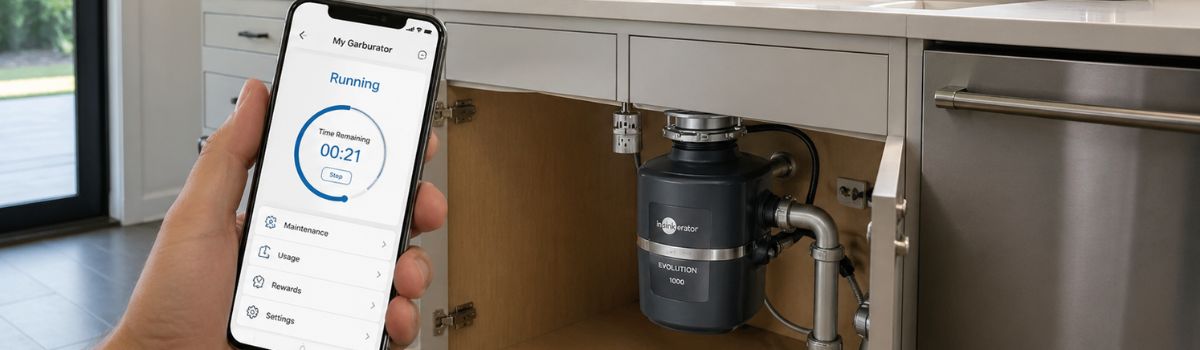
Garburators often use standard communication protocols compatible with the Internet of Things (IoT), allowing them to be controlled remotely via smartphone apps or home automation systems. This connectivity enhances user control and allows for monitoring maintenance needs and performance remotely, contributing to a more seamless and efficient kitchen experience.
Benefits of Integrating Smart Garburators in Victoria Kitchens
Enhancing Kitchen Efficiency and Convenience
Smart garburators bring a new level of efficiency and convenience to Victoria kitchens. Automated waste disposal management means that food scraps are quickly and effectively ground and flushed away, reducing the need for manual intervention. Many models offer voice-activated and app-controlled operation, allowing users to start or stop the garburator without touching any controls. This hands-free functionality not only speeds up kitchen tasks but also integrates seamlessly with other smart home systems.
Promoting Sustainability and Eco-friendliness
Integrating smart garburators supports sustainability efforts by significantly reducing food waste and its environmental impact. By efficiently processing scraps, these devices minimize the amount of organic waste sent to landfills, which in turn lowers methane emissions. Additionally, smart garburators optimize water and energy use through intelligent sensors and operation cycles, ensuring resources are used only when necessary. This contributes to a more eco-friendly kitchen environment and aligns with modern green living practices.
Improving Hygiene and Safety
Smart garburators enhance kitchen hygiene and safety by offering hands-free operation that reduces the risk of contamination from touching dirty surfaces. This is especially beneficial in busy kitchens where maintaining cleanliness is critical. Furthermore, these units come equipped with smart diagnostics and maintenance alerts, which notify homeowners of potential issues before they become serious problems. This proactive approach ensures that the garburator remains safe to use and operates at peak performance.
Smart Kitchen Design Considerations in Victoria
Customizing Integration with Local Architecture and Lifestyle
When designing a smart kitchen in Victoria, it is essential to consider the unique architectural styles and lifestyle preferences of the area. Space optimization plays a crucial role, especially in homes where kitchen size may be limited. Integrating technology seamlessly into countertops and cabinetry helps maintain a clean, modern aesthetic while maximizing functionality. Thoughtful design ensures that smart appliances and garburators complement the overall look and feel of the kitchen, enhancing both usability and visual appeal.
Selecting Compatible Devices and Garburators
Choosing the right devices for a smart kitchen involves evaluating several factors. Size is critical to ensure appliances fit well within the kitchen layout without overcrowding. Connectivity options, such as Wi-Fi or Bluetooth compatibility, determine how easily devices can communicate with each other and with the homeowner’s smartphone or home automation system. Power consumption is another important consideration, as energy-efficient appliances help reduce utility costs and environmental impact. Selecting garburators that align with these criteria ensures smooth integration and long-term satisfaction.
Importance of Professional Consultation
Collaborating with professionals based in Victoria can significantly enhance the smart kitchen design process. Local kitchen designers bring an understanding of regional architectural trends and lifestyle needs, allowing them to recommend tailored solutions. Appliance retailers familiar with the market can advise on the latest compatible devices and garburators that suit Victoria homes. This partnership helps homeowners achieve a smart kitchen that is not only functional but also harmonious with their living space and daily routines.
Challenges and Solutions in Smart Garburator Integration
Technical Challenges
One of the primary technical challenges in integrating smart garburators is ensuring reliable connectivity and interoperability with other smart kitchen devices. Many garburators rely on Wi-Fi or Bluetooth connections, which can be unstable in certain home environments, leading to inconsistent performance. Additionally, the variety of smart home platforms and communication protocols can cause compatibility issues, making seamless integration difficult.
Installation complexities also pose challenges. Smart garburators often require professional installation due to their advanced electronics and plumbing connections. Homeowners may face difficulties adapting existing kitchen plumbing to accommodate these devices, which can increase installation time and costs.
Cost and Accessibility
The affordability of smart garburators remains a significant barrier for many consumers. These devices, combined with the necessary supporting technology such as smart home hubs or apps, can represent a considerable investment. This cost factor limits accessibility, particularly for average households in Victoria.
Availability in the Victoria market is another concern. While smart kitchen products are growing in popularity, not all models of smart garburators are widely available locally. Limited stock and fewer retailers offering these specialized products can make it challenging for consumers to purchase and service their smart garburators.
Overcoming Barriers
Recent advances in IoT standardization are helping to address some of the technical challenges associated with smart garburator integration. Standardized communication protocols improve device compatibility and simplify connectivity across different smart kitchen components, making integration smoother and more reliable.
Additionally, government incentives and local programs in Victoria are promoting sustainable kitchen upgrades, including the adoption of smart appliances like garburators. These initiatives often provide financial rebates or tax credits that help reduce the upfront cost, making smart garburators more accessible to a broader range of homeowners.
Together, these technological and economic advancements are gradually overcoming the challenges faced in smart garburator integration, paving the way for more widespread adoption in Victoria’s smart kitchens.
The Future of Smart Kitchens and Garburator Integration in Victoria
Emerging Technologies and Trends
The future of smart kitchens in Victoria is closely tied to the advancement of AI-powered kitchen assistants. These intelligent systems can manage kitchen tasks more efficiently, from monitoring food waste to optimizing the use of garburators. Enhanced automation is also on the rise, allowing garburators to operate with minimal human intervention while maintaining peak performance. Predictive maintenance powered by AI will help identify potential issues before they become major problems, reducing downtime and repair costs.
Potential Impact on Homeowners and Environment
Integrating smart garburators into Victoria homes offers significant long-term sustainability benefits. By efficiently processing organic waste, these devices reduce landfill contributions and lower greenhouse gas emissions. Homeowners can enjoy cleaner, more hygienic kitchens and contribute to environmental conservation efforts. Additionally, the presence of advanced smart kitchen features can increase property values by appealing to tech-savvy buyers looking for modern, eco-friendly homes. This combination of lifestyle improvements and environmental responsibility makes smart kitchens with garburator integration a valuable investment.
Role of Community and Industry Collaboration
The successful implementation of smart kitchen technologies in Victoria depends heavily on collaboration between technology developers, kitchen designers, and local authorities. Partnerships enable the creation of standards and regulations that ensure safe and efficient garburator integration. Community involvement also helps raise awareness about the benefits of smart kitchens, encouraging wider adoption. By working together, these stakeholders can drive innovation and foster a sustainable future for Victoria’s households.
Conclusion
Integrating modern garburators into Victoria’s smart kitchens represents a significant step forward in kitchen technology. This integration not only streamlines waste management but also enhances overall kitchen efficiency by reducing odors and minimizing manual disposal efforts. As part of a broader smart kitchen ecosystem, these devices contribute to a more sustainable household by promoting better waste processing and reducing environmental impact.
Homeowners in Victoria are encouraged to embrace these advancements to enjoy a more convenient and eco-friendly cooking environment. By adopting smart garburators, they can transform their kitchens into modern spaces that prioritize efficiency, cleanliness, and sustainability. The future of kitchen technology lies in such innovations, making it essential for modern homes to integrate these smart solutions and elevate their culinary experience.