
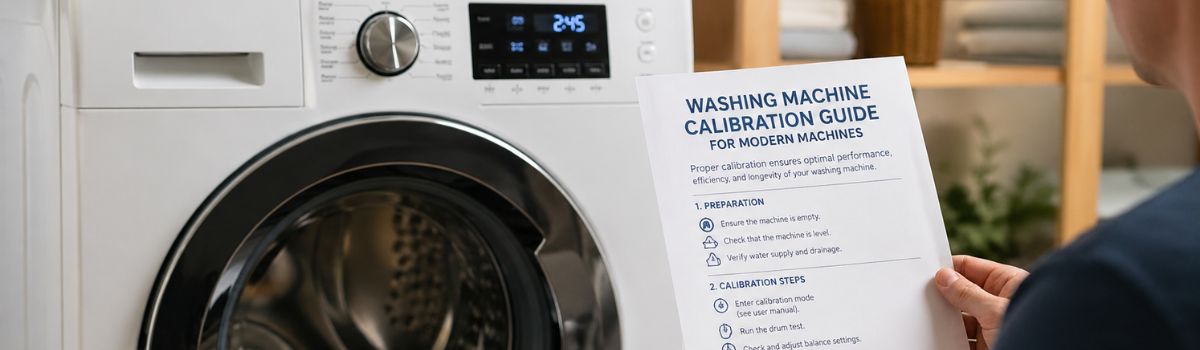
Step-by-Step Washing Machine Calibration Guide for Victoria Homes
Washing machine calibration involves adjusting the machine’s settings to ensure it operates at optimal performance. This process helps the appliance accurately measure water levels, detergent amounts, and cycle times, resulting in better washing results.
For modern washing machines in Victoria, calibration is particularly important due to the advanced technology and energy efficiency standards these machines must meet. Proper calibration ensures compliance with local regulations and maximizes the benefits of smart features commonly found in contemporary models, while knowledge of how to fix and restore an older washing machine can be useful for maintaining older units alongside newer ones.
The benefits of calibrating your washing machine include improved efficiency, which reduces water and energy consumption. It also enhances the machine’s durability by preventing excessive wear and tear caused by improper settings. Additionally, calibration can lead to significant cost savings over time through lower utility bills and fewer repair needs.
Understanding Washing Machine Calibration
What is Calibration?
Calibration refers to the process of adjusting and fine-tuning a washing machine’s settings and sensors to ensure it operates accurately and efficiently. The primary purpose of calibration is to align the machine’s internal mechanisms with its intended performance parameters. This includes correctly measuring load size, water levels, and spin speeds, which directly impact the effectiveness of each wash cycle. Proper calibration helps the washing machine deliver optimal cleaning results while minimizing wear and tear on its components.
Why Calibration Matters
Calibrating your washing machine is essential for several reasons. First, it ensures efficient operation and energy use by allowing the machine to use only the necessary amount of water and electricity for each load. This efficiency not only saves money but also reduces environmental impact.
Second, calibration helps prevent unbalanced loads and excessive vibrations during the spin cycle. When the machine is properly calibrated, it can detect the distribution of clothes inside the drum and adjust its spin accordingly. This reduces the risk of damage to both the appliance and your laundry.
Finally, regular calibration extends the lifespan of the washing machine and reduces maintenance costs. By ensuring that all parts function smoothly and efficiently, calibration minimizes mechanical stress and the likelihood of breakdowns. This leads to fewer repairs and a longer-lasting appliance, which is both economically and environmentally beneficial.
Types of Washing Machines in Victoria
Common Models and Features
In Victoria, consumers have access to a variety of washing machine models, each designed to meet different needs and preferences. The two primary types are front-load and top-load machines. Front-load washers are known for their efficiency and gentle washing action, which helps protect clothes while using less water and energy. Top-load machines, on the other hand, often provide faster wash cycles and easier loading but may use more water.
Smart and connected appliances are becoming increasingly popular in Victoria. These models allow users to control and monitor their washing machines remotely via smartphone apps, making laundry more convenient and efficient. Features such as cycle customization, notifications, and energy usage tracking are common in these advanced machines.
Energy-efficient models are also widely available, designed to minimize electricity and water consumption. These machines often carry energy ratings that help consumers identify the most efficient options. For detailed information on energy-efficient clothes washers, the Australian government’s energy rating website is a reliable resource.
Energy and Water Efficiency Standards
Australia employs an energy rating system that classifies washing machines based on their electricity and water use. This system helps consumers compare models and select those that offer the best balance of performance and environmental impact.
Proper calibration of washing machines plays a critical role in meeting these energy and water efficiency standards. Calibration ensures that the machine operates within its designed parameters, optimizing water levels, cycle times, and mechanical actions to reduce waste. Well-calibrated machines not only comply with regulatory requirements but also contribute to lower utility bills and a reduced environmental footprint.
Step-by-Step Guide to Calibrating a Washing Machine
Preparation
Before starting the calibration process, gather the necessary tools and materials. You will need a spirit level, a wrench or adjustable spanner, and possibly a screwdriver depending on your machine model. Ensure the washing machine is unplugged to avoid any electrical hazards. Clear the area around the machine to give yourself ample room to work safely.
Calibration Process
Leveling the Machine:
Use the spirit level to check if the washing machine is perfectly horizontal. Adjust the feet by turning them clockwise or counterclockwise to eliminate any tilt. Proper leveling is crucial to prevent excessive vibrations and noise during the spin cycle.Adjusting Load Sensors and Balance Systems:
Modern washing machines use load sensors to balance the drum during operation. Refer to your machine’s manual to access settings for load sensor calibration. Some models allow manual adjustments, while others require running a specific calibration mode.Testing Spin Cycles and Water Levels:
After sensor adjustments, run a spin cycle at various speeds to ensure the drum balances correctly without excessive movement. Also, observe the water levels during a wash cycle to confirm they match the load size, adjusting if necessary.Using Manufacturer-Specific Calibration Modes and Diagnostics:
Many modern machines come with built-in diagnostic modes designed for calibration. Access these modes as instructed in the user manual to perform automated tests and adjustments. This step helps fine-tune sensors and system settings for optimal performance.
Post-Calibration Testing
Once calibration is complete, run test cycles with varying loads. Pay close attention to the machine’s behavior, checking for unbalanced loads, unusual noises, or excessive vibrations. If any issues persist, repeat the calibration steps or consult professional service to ensure the machine operates smoothly and efficiently.
Common Calibration Issues and How to Fix Them
Unbalanced Loads
Unbalanced loads are a frequent issue during washing machine operation, often causing the machine to shake or make loud noises. This happens when clothes are unevenly distributed inside the drum, leading to an imbalance. To fix this, pause the cycle and redistribute the laundry evenly around the drum. Avoid washing a single heavy item by itself, and try to mix large items with smaller ones to balance the load. Ensuring the machine is level on the floor also helps prevent unbalanced loads.
Excessive Vibrations
Excessive vibrations can indicate underlying problems with the washing machine’s calibration or installation. Common causes include worn-out shock absorbers, unlevel flooring, or loose components inside the machine. To identify the root cause, first check if the machine is placed on a flat and stable surface. Next, inspect the shock absorbers and suspension springs for damage or wear. Tightening any loose bolts or screws inside the machine can also reduce vibrations. If the problem persists, professional servicing may be required to recalibrate or replace faulty parts.
Inaccurate Water Levels or Spin Speeds
When water levels or spin speeds do not match the selected settings, calibration issues may be at fault. Troubleshooting involves verifying that sensors and control systems are functioning correctly. Start by cleaning the water inlet filters and checking for blockages in the drainage system. Next, test the machine with a small load to see if water fills and drains appropriately. If spin speeds are inconsistent, the motor control board or speed sensors might need recalibration or replacement. Regular maintenance and timely calibration ensure the machine operates with accurate water levels and spin speeds, improving washing performance and fabric care.
Professional Calibration and Repair Services in Victoria
When to Seek Professional Help
Certain situations call for professional calibration and repair services rather than DIY fixes. If your washing machine requires complex calibration beyond basic settings adjustments, such as sensor recalibration or software updates, it’s best to consult a professional. Additionally, persistent operational problems that do not resolve with routine maintenance or simple troubleshooting indicate underlying issues that professionals are equipped to handle safely and effectively.
Overview of Local Services
In Victoria, several reliable options exist for professional washing machine calibration and repair. Aussie Wash Solutions offers specialized training and repair services tailored to modern washing machines. Their expertise ensures precise calibration for optimal performance and longevity.
Beyond Aussie Wash Solutions, certified appliance technicians throughout Melbourne and the broader Victoria region provide comprehensive calibration and repair services. These professionals are trained to handle a wide range of washing machine brands and models, ensuring your machine operates efficiently and safely.
Energy Efficiency and Cost Savings Through Calibration
Impact on Energy Consumption
Proper calibration of your washing machine plays a significant role in reducing both electricity and water usage. When a washing machine is calibrated accurately, it uses the optimal amount of water and energy needed for each load, avoiding wasteful overuse. This not only helps the machine run more efficiently but also lowers overall household energy consumption.
Environmental Benefits
By minimizing electricity and water use, calibration contributes directly to reducing household emissions. Lower energy consumption means fewer greenhouse gases are produced from power generation, making your laundry routine more environmentally friendly. This reduction in emissions supports broader efforts to combat climate change and lessen the environmental footprint of daily activities.
Financial Benefits
Calibrating your washing machine leads to noticeable financial savings. Using less electricity and water translates into lower utility bills over time. Additionally, a well-calibrated machine experiences less strain during operation, which reduces the likelihood of breakdowns and costly repairs. It also extends the appliance’s lifespan, decreasing the frequency and expense of early replacements. These financial benefits make calibration a practical investment for homeowners looking to optimize their washing machines.
Maintaining Calibration Over Time
Regular Maintenance Tips
To keep your washing machine running accurately, periodic checks and adjustments are essential. Over time, vibrations and regular use can cause sensors and components to drift from their initial calibration settings. Scheduling routine inspections, ideally every six months, can help identify and correct any deviations early.
Cleaning also plays a crucial role in supporting sensor accuracy. Dirt, detergent build-up, and lint can impair sensors, leading to incorrect readings. Regularly clean the detergent drawer, door seals, and drum, and ensure that sensors are free from any debris. This simple care routine helps maintain the precision of the machine’s calibration.
Monitoring Performance Indicators
There are clear signs that indicate your washing machine might need recalibration. If you notice inconsistent water levels, uneven spinning, or unusual noise and vibrations, these could suggest sensor misalignment or calibration drift. Additionally, if clothes consistently come out wetter or drier than expected, it might be time to check the calibration.
Manufacturers typically recommend calibration intervals between 6 to 12 months, depending on usage frequency and machine model. In Victoria’s varying climate, more frequent checks can be beneficial to ensure optimal performance. Keeping an eye on these indicators and following recommended schedules will prolong your washing machine’s efficiency and lifespan.
Future Trends in Washing Machine Calibration
Smart Calibration Technologies
The future of washing machine calibration is closely tied to advancements in smart technology. Modern machines are increasingly integrating Artificial Intelligence (AI) and the Internet of Things (IoT) to enable self-calibration. These smart systems can automatically adjust wash cycles, water usage, and spin speeds based on the type and load of laundry, ensuring optimal performance and efficiency without user intervention. This technology not only improves washing results but also helps extend the lifespan of the machine by preventing excessive wear and tear caused by improper settings.
Evolving Standards and Regulations
In Victoria and across Australia, washing machine calibration is influenced by ongoing updates to energy and appliance standards. These evolving standards require manufacturers to calibrate machines to meet stricter criteria, ensuring that new models consume less water and electricity while maintaining high cleaning performance. Staying informed about these changes is essential for technicians and consumers alike to maintain compliance and benefit from the latest improvements in washing machine technology.
Conclusion
Proper calibration of washing machines is essential to ensure they operate efficiently and effectively. Accurate calibration helps maintain optimal washing performance, reduces water and energy consumption, and extends the lifespan of the appliance. By regularly checking and adjusting the calibration settings of modern washing machines, users in Victoria can enjoy cleaner clothes while minimizing environmental impact and utility costs.
Maintaining and calibrating your washing machine is a simple yet crucial step toward achieving long-term efficiency and durability. Whether through routine self-checks or professional servicing, keeping your machine well-calibrated will save you money and contribute to a more sustainable household. For more detailed guidance on calibration techniques and training, resources such as Storables and Aussie Wash Solutions provide valuable support tailored to modern appliances in Victoria.