
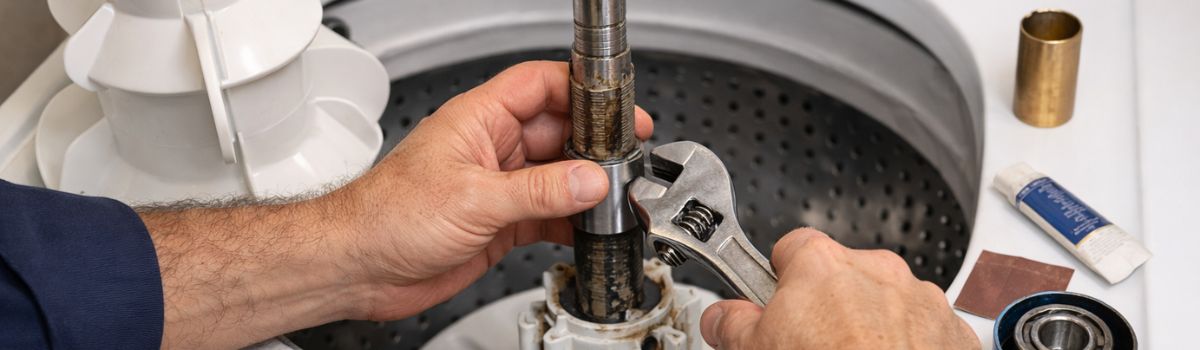
Victoria’s Trusted Washer Agitator Shaft Wear Repair
Washer agitator shaft wear is a common issue that can significantly affect the performance of your washing machine. The agitator shaft is responsible for the movement of the agitator, which in turn ensures that clothes are properly cleaned during the wash cycle. When this shaft wears out, it can cause inefficient agitation, unusual noises, and even complete failure of the washer to operate correctly.
Timely diagnosis and repair of agitator shaft wear are crucial to prevent further damage to the washing machine. Addressing this problem early, along with regular washer motor cleaning methods, can extend the lifespan of your washer, save on costly replacements, and maintain optimal washing performance.
This article focuses on providing expert washer agitator shaft wear repair services specifically for residents in Victoria. Our goal is to help homeowners in this area keep their washers running smoothly through professional maintenance and repairs.
Understanding Washer Agitator Shaft Wear
What is an Agitator Shaft?
The agitator shaft is a crucial component in a washing machine. It connects the agitator – the central post inside the washer tub – to the motor and transmission, allowing the agitator to rotate and move clothes during the wash cycle. This movement helps to clean clothes by creating friction and water flow.
Agitator shafts are typically made from durable metals such as stainless steel or hardened steel to withstand the mechanical forces involved. The design often includes splines or keyed sections to securely attach the agitator and ensure smooth rotation.
Symptoms of Agitator Shaft Wear
Wear on the agitator shaft can cause several noticeable issues:
- Excessive play or wobbling in agitator: When the shaft wears down, the agitator may become loose or wobble during operation.
- Washer not agitating properly: A worn shaft can prevent the agitator from rotating effectively, leading to poor cleaning performance.
- Unusual noises during cycle: Grinding, squeaking, or knocking sounds may indicate wear or damage to the shaft or its related components.
Common Causes of Shaft Wear
Agitator shaft wear often results from several factors:
- Prolonged use and mechanical stress: Regular use over time causes natural wear due to constant movement and force.
- Corrosion and rust buildup: Exposure to water and detergents can lead to corrosion, weakening the metal.
- Worn bearings and hubs contributing to shaft strain: When bearings or hubs wear out, they increase stress on the shaft, accelerating wear and potential failure.
Diagnosing Agitator Shaft and Related Component Issues
Step-by-Step Diagnostic Approach
Start by performing a thorough visual inspection of the agitator shaft and surrounding components. Look for any signs of corrosion, physical damage, or wear that could affect performance. Next, check for excessive play or looseness in both the shaft and the agitator itself, as this can indicate wear or failure in the shaft or bearings. Finally, test the washer’s agitation function to observe any irregular movement, noises, or failure to agitate, which are key symptoms of shaft or related component issues.
Distinguishing Shaft Wear from Other Issues
It is important to differentiate agitator shaft wear from other problems that produce similar symptoms. For example, worn upper bearings and hubs can mimic shaft wear, causing looseness and agitation problems. These components should be carefully inspected to rule out bearing or hub failure. Additionally, worn agitator dogs and drive components may also cause agitation issues without the shaft being at fault. Identifying these worn parts as alternative causes will help avoid unnecessary shaft replacement.
Using Service Manuals and Technical Guides
For detailed diagnostic procedures and repair instructions, refer to official service manuals such as the W10251135 Technical Education Manual. These guides provide comprehensive information to accurately assess and repair agitator shaft wear and related problems, ensuring the correct approach is taken.
Common Related Washer Component Failures Affecting Agitation
Worn Agitator Dogs
Agitator dogs are small plastic components inside the agitator that allow it to rotate in one direction during the wash cycle. Over time, these dogs wear out due to friction and regular use. When worn, they cause the agitator to slip or stop moving altogether, which directly impacts the washer’s ability to agitate clothes effectively. Signs of worn agitator dogs include a grinding noise or the agitator turning loosely without resistance.
Damaged Transmission Drive Blocks
The transmission drive block connects the agitator to the washer’s transmission system. If this component becomes cracked or damaged, it can lead to poor agitation performance or complete failure of the agitator to move. Damage often results from prolonged stress or impact and can cause uneven wear on the agitator shaft.
Worn Motor Couplings and Drive Belts
Motor couplings and drive belts transfer power from the motor to the transmission and agitator. When these parts wear out or break, the transmission may not receive sufficient power, resulting in weak or no agitation. Common symptoms include unusual noises, shaking, or the agitator failing to turn. This wear can also increase stress on the agitator shaft, accelerating shaft wear.
Defective Drive Motors and Stators
The drive motor and stator generate the necessary torque to move the agitator. If either component is defective, the agitator may operate inconsistently or stop working. Electrical failures, worn brushes, or burnt-out coils can cause these problems. Malfunctioning motors put extra strain on mechanical parts like the agitator shaft, contributing to premature wear.
How These Affect Shaft Wear and Agitation
Failures in any of these components, such as worn agitator dogs, damaged drive blocks, worn motor couplings and belts, or defective motors, can cause improper or insufficient agitation. This leads to increased stress and uneven forces on the agitator shaft, accelerating its wear and potentially causing it to fail. Addressing these related component failures promptly is essential to maintain smooth agitation and prevent costly shaft repairs or replacements.
Repair Techniques for Washer Agitator Shaft Wear
Standard Repair Procedures
One of the fundamental steps in repairing washer agitator shaft wear is removing and servicing the agitator shaft properly. This involves disassembling the agitator to access the shaft, which can then be inspected for wear or damage. According to the service manual from Dependable Laundry, careful removal ensures that the components remain intact and ready for refurbishment or replacement.
Once the agitator shaft is accessible, replacing worn bearings and hubs is essential. Bearings and hubs often degrade due to constant friction and exposure to water, leading to poor agitator performance. Replacing these parts restores smooth operation and prevents further damage to the shaft and surrounding components.
Advanced Repair Methods
For more severe cases, such as corroded shafts, advanced repair methods are necessary. One effective technique involves using stainless steel sleeves to refurbish corroded shafts, a method commonly applied in Maytag LA 506 agitator shaft repairs. This approach prolongs the shaft’s life by providing a durable, corrosion-resistant layer over the original metal.
Additionally, welding and shaft refurbishment techniques can restore structural integrity to damaged shafts. Skilled welding can fill in worn or cracked areas, allowing the shaft to function reliably again without the need for full replacement. These methods require precision and expertise to avoid misalignment or further damage.
Choosing a Professional Repair Service in Victoria
What to Expect from a Quality Repair Service
When selecting a repair service for washer agitator shaft wear in Victoria, it’s essential to look for technicians who have expertise with a wide range of washer brands and models. This ensures that they understand the specific requirements and common issues related to your appliance. A professional service will use OEM (Original Equipment Manufacturer) parts and strictly follow technical manuals to guarantee the repair is done correctly and maintains the integrity of your washer. Additionally, expect clear and transparent communication regarding diagnostics and repair quotes, so you know exactly what needs to be fixed and how much it will cost upfront.
Benefits of Local Repair Services
Choosing a local repair service in Victoria comes with several advantages. Local technicians can often provide faster response times, meaning your washer is back up and running sooner. They also offer more personalized customer support, understanding the unique needs of the community and providing tailored service. Furthermore, local repair professionals are familiar with the appliance models common in Victoria, allowing them to diagnose and fix issues more efficiently based on regional usage patterns and availability of parts.
Case Studies and Real-World Examples
One common issue observed in Speed Queen washers involves wear on the agitator shaft and bearings. Users have reported symptoms such as unusual noises during the wash cycle and wobbling agitators, which are typically caused by worn or damaged shaft components. Technicians emphasize checking for shaft wear as part of routine maintenance to prevent more extensive damage.
Similarly, the Maytag LA 506 model presents its own challenges with agitator shaft wear. A detailed repair method outlines the process of replacing the agitator shaft sleeve. This repair involves removing the old, worn sleeve and installing a new one to ensure smooth rotation and prevent further shaft deterioration. The sleeve replacement is a cost-effective solution that can save the entire agitator assembly from needing replacement.
These case studies highlight the importance of addressing agitator shaft wear promptly. Whether dealing with a Speed Queen or a Maytag LA 506, proper diagnosis and targeted repairs like shaft or sleeve replacement can significantly improve washer performance and longevity.
Conclusion
Accurate diagnosis and timely repair of washer agitator shaft wear are essential to extend the life of your washing machine and maintain its performance. Ignoring the signs of wear can lead to more extensive damage and costly repairs down the line.
For residents of Victoria, relying on professional repair services ensures that your washer gets the precise attention it needs, using the right tools and expertise to restore functionality efficiently and safely.
To keep your washer in good condition and prevent future agitator shaft wear, regularly check for unusual noises or vibrations, avoid overloading your machine, and schedule routine maintenance. These simple steps can help you avoid unexpected breakdowns and keep your laundry running smoothly.