
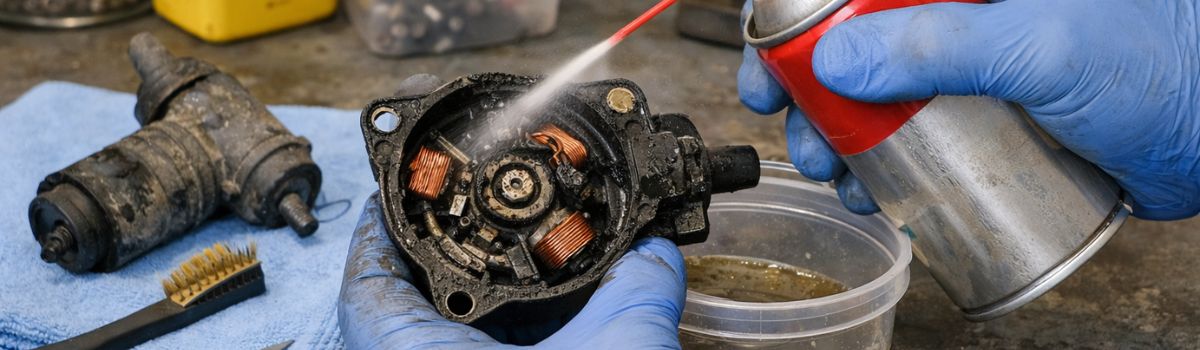
Practical Washer Motor Cleaning Methods for Victoria Area Machines
Maintaining the washer motor is crucial for ensuring the longevity and efficient performance of washing machines in the Victoria area. Due to the region’s specific environmental conditions, such as humidity levels and water quality, washer motors can be prone to quicker wear and buildup of debris. In many cases, hard water washer damage can also contribute to mineral accumulation and internal strain on motor components. Regular motor cleaning helps prevent breakdowns, reduces energy consumption, and keeps machines running smoothly.
The main objectives of effective washer motor cleaning methods include removing dirt, grease, and mineral deposits that accumulate over time, preventing motor overheating, and avoiding premature motor failure. Proper cleaning also aids in maintaining optimal motor function, which is essential for consistent washing performance.
Victoria’s unique environmental factors present particular challenges for washer motor maintenance. The local water often contains higher mineral content, leading to scale buildup inside the motor. Additionally, fluctuations in humidity and temperature can affect motor components differently than in other regions. Understanding and addressing these local conditions is key to implementing successful motor cleaning techniques for machines operating in the Victoria area.
Understanding Washer Motor Components
When cleaning washer motors, especially those used in Victoria area machines, it’s important to understand the key components that impact the process. Each plays a specific role in the motor’s operation and may require different cleaning approaches.
Shift Actuators
Shift actuators control the transmission of power within the washer motor. They engage and disengage different gears to adjust the motor speed and torque. Proper cleaning of shift actuators ensures smooth gear shifting and helps prevent motor strain or failure.
Lid Locks
The lid lock mechanism is a safety feature that prevents the washer from operating when the lid is open. Dirt or debris accumulation can cause the lid lock to malfunction, so cleaning these locks is essential to maintain washer safety and functionality.
Frequency Drives
Frequency drives regulate the motor’s speed by controlling the power supply frequency. These electronic components require careful cleaning to avoid damage. Dust and grime buildup on frequency drives can lead to overheating or erratic motor performance.
Drain Systems
The drain system removes water from the washer tub. Blockages or residue in the drain can affect motor operation, leading to increased load and potential damage. Cleaning the drain system helps maintain proper water flow and reduces strain on the motor.
Additional Components Relevant to Victoria Machines
Victoria area washers may include specific components tailored to local water conditions or regulations. These can include specialized seals, corrosion-resistant parts, or enhanced filtration systems. Understanding and cleaning these additional components according to manufacturer guidelines will ensure optimal motor performance and longevity.
Types of Motor Cleaning Methods
Mechanical Cleaning Techniques
Mechanical cleaning involves physically removing dirt and debris from the motor components. Manual disassembly and brushing are common practices, allowing technicians to directly access and clean hard-to-reach areas. Ultrasonic cleaning is another effective mechanical technique, where high-frequency sound waves create microscopic bubbles that gently but thoroughly clean motor parts. This method is particularly useful for delicate components and intricate assemblies.
Chemical Cleaning Approaches
Chemical cleaning typically uses aqueous parts washing systems that apply specially formulated cleaning agents to dissolve grease, oils, and contaminants. Selecting the right cleaning agents is crucial; they must be effective in breaking down residues without damaging motor components. These solutions are designed to be safe for the materials used in motors and often biodegradable to minimize environmental impact.
Pressure Washing Methods
Pressure washing motors requires careful equipment selection to avoid damage. Using appropriate pressure levels and nozzles ensures dirt is removed effectively while protecting sensitive parts. The key is balancing sufficient pressure to clean without forcing water into electrical components or causing physical harm.
Advanced Cleaning Technologies
Advanced cleaning technologies incorporate multi-stage processes such as the four-stage aqueous cleaning and vacuum drying system used for traction motors. This method cleans but also significantly reduces the need for motor rewinding by preserving component integrity. Vacuum drying ensures motors are completely dry, preventing corrosion and extending motor life.
Step-by-Step Washer Motor Cleaning Procedure for Victoria Machines
Pre-Cleaning Diagnostics and Safety Measures
Before beginning the cleaning process, it is essential to perform thorough diagnostics on the washer motor components. This involves identifying worn or damaged parts and understanding the motor’s specific requirements.
Safety is paramount. Always follow established safety protocols, including disconnecting power sources and wearing appropriate protective equipment like gloves and eye protection. This helps prevent accidents and protects both the technician and the equipment.
Disassembly and Preparation
Accessing the motor parts correctly is crucial to avoid damage. Use proper disassembly techniques tailored to Victoria area washer models to carefully remove panels and covers. Special attention should be given to delicate components such as frequency drives and lid locks, which require gentle handling to maintain functionality.
Organize the removed parts systematically to streamline the cleaning and reassembly process. Taking photos during disassembly can also aid in accurate reassembly.
Cleaning Execution
For the cleaning stage, aqueous parts washing is highly effective. The StingRay 4063 Electric Motor Parts Washer provides an excellent example of how aqueous solutions can be used to remove grease, dirt, and contaminants from motor components efficiently.
In some cases, pressure washing may be appropriate for exterior components, but it should be applied cautiously to avoid water intrusion into sensitive areas.
Mechanical brushing complements aqueous washing by targeting stubborn residues, while ultrasonic cleaning offers a thorough, non-invasive option for intricate parts, ensuring all contaminants are removed without damaging the motor.
Drying and Reassembly
After cleaning, drying the components thoroughly is critical to prevent corrosion and electrical issues. Vacuum drying is advantageous because it removes moisture efficiently without applying excessive heat that could warp parts.
During reassembly, follow the reverse order of disassembly, ensuring all connections are secure and components are properly aligned. Conduct testing on the motor after reassembly to verify it operates correctly and safely before returning the washer to service.
Equipment and Materials
When cleaning washer motors for machines in the Victoria area, using the right equipment and materials is essential to ensure effective and safe maintenance.
Recommended Cleaning Machines and Parts Washers
For thorough cleaning of washer motors, parts washers designed specifically for electric motor components are recommended. Ultrasonic cleaners are highly effective as they use high-frequency sound waves to remove dirt, grease, and debris from intricate motor parts without causing damage. Additionally, solvent-based parts washers with adjustable temperature controls help dissolve stubborn grime while preserving the integrity of the components.
Cleaning Agents and Solvents Safe for Victoria Machines
Choosing cleaning agents that are compatible with Victoria washer motors is crucial to avoid corrosion or damage. Use mild, non-corrosive solvents such as isopropyl alcohol or specialized electrical contact cleaners that evaporate quickly and leave no residue. Avoid harsh chemicals like acetone or strong acids, which can degrade insulation and delicate motor parts. Always refer to the manufacturer’s guidelines for approved cleaning solutions to maintain machine warranties and performance.
Protective Gear and Tools
Safety is paramount during the cleaning process. Wear protective gloves resistant to solvents to prevent skin irritation. Safety goggles should be worn to protect eyes from splashes of cleaning agents. Use lint-free cloths, soft brushes, and small picks for detailed cleaning without scratching the motor surfaces. A well-ventilated workspace or a fume extractor helps reduce inhalation of any fumes from solvents used.
Using the correct equipment and materials ensures that washer motor cleaning is efficient, safe, and extends the lifespan of Victoria area machines.
Environmental Considerations and Local Regulations
When cleaning washer motors in the Victoria area, it is essential to follow proper wastewater handling and disposal protocols. The cleaning process often generates wastewater containing oils, grease, and potentially harmful cleaning agents. This wastewater must be collected and treated appropriately to prevent contamination of local water sources. Victoria’s environmental guidelines require that wastewater from motor cleaning is not discharged directly into storm drains or natural waterways.
Compliance with Victoria area environmental standards involves adhering to regulations set by local authorities such as the Environment Protection Authority (EPA) Victoria. These standards dictate how industrial and residential waste, including wastewater from cleaning activities, must be managed. Businesses and individuals must ensure that all cleaning residues and chemicals are disposed of in accordance with these regulations to minimize environmental impact and avoid penalties.
Using environmentally friendly cleaning products and employing methods that reduce water consumption can further support compliance. Regular training on environmental protocols and proper documentation of waste disposal are also recommended practices for anyone performing washer motor cleaning in the Victoria area.
Troubleshooting Common Issues
When cleaning washer motors in Victoria area machines, certain components often present specific challenges. Understanding these can help prevent damage and ensure effective maintenance.
Shift Actuators
Shift actuators control the transmission of the washer motor. Cleaning them requires care because buildup or residue can cause malfunction or slippage. If the actuator is sticky or unresponsive, it may need a gentle cleaning with a soft brush and a mild solvent designed for electrical components. Avoid excessive moisture to prevent corrosion.
Lid Locks
Lid locks are safety devices that prevent the washer from operating when the lid is open. Dirt and grime can accumulate, causing the lock to jam or fail to engage properly. Use a cotton swab dipped in isopropyl alcohol to clean the locking mechanism, ensuring all debris is removed. Regular inspection helps catch issues early.
Frequency Drives
Frequency drives regulate the motor speed and can be sensitive to dust and moisture. Cleaning should be done with compressed air to blow away dust without opening the sealed components. Avoid using liquids on frequency drives to prevent short circuits or damage.
Training and Professional Development
Comprehensive washer repair training is essential for technicians working with washer motors, especially for machines common in the Victoria area. Proper training ensures that technicians understand the complexities of washer motors, can diagnose issues accurately, and perform repairs safely and effectively. This level of expertise minimizes errors and extends the lifespan of washer motors, ultimately leading to higher customer satisfaction.
Ongoing education is equally important in this field, as washer technology continues to evolve. Platforms such as the TED-ucation program by Teddy’s Cleaning offer accessible resources for professionals to keep their skills current. These resources cover new repair techniques, safety protocols, and best practices for washer motor maintenance. Engaging in continuous learning helps technicians stay ahead in their field and deliver top-quality service to their clients.
Conclusion
Proper cleaning of washer motors in Victoria is essential to maintain optimal machine performance and extend the lifespan of the equipment. Best practices include regular inspection, using appropriate cleaning agents, and following manufacturer guidelines to avoid damage. Employing advanced cleaning methods, such as ultrasonic cleaning or specialized solvent treatments, can significantly improve the removal of dirt and grime, leading to smoother motor operation and reduced wear over time.
By adhering to these recommended cleaning practices, users can ensure that their washing machines operate efficiently, reduce the risk of unexpected breakdowns, and ultimately save on repair and replacement costs.