
Common Nanaimo Garburator Dishwasher Connection Challenges
A garburator, also known as a garbage disposal, is an essential component in many modern kitchens, designed to grind food waste into smaller particles that can easily flow through plumbing systems. When connected properly to a dishwasher, it helps ensure efficient drainage and prevents clogs by allowing wastewater and food debris to exit smoothly. This connection is crucial in maintaining the overall functionality of kitchen plumbing.
In Nanaimo homes, various factors can lead to garburator troubleshooting guide and dishwasher connection issues. These include improper installation, wear and tear of components, and blockages caused by food particles or foreign objects. Seasonal changes and water quality can also affect the plumbing system’s performance, contributing to common problems homeowners face.
This guide aims to help Nanaimo residents identify typical garburator and dishwasher connection problems and provide practical solutions to address them. Understanding these issues and learning how to troubleshoot effectively can save time, reduce repair costs, and keep your kitchen running smoothly.
Understanding the Garburator and Dishwasher Connection
What is a Garburator?
A garburator, also known as a garbage disposal unit, is an appliance installed under the kitchen sink that grinds food waste into small particles. This process helps prevent clogs in the plumbing by breaking down scraps before they enter the drain system. In Nanaimo homes, garburators are a common feature in kitchens, making waste disposal more convenient and hygienic.
Typically, a garburator is installed directly beneath the sink drain and connected to the home’s plumbing system. It operates using an electric motor that powers a rotating plate, which grinds the food waste. This setup often includes a dedicated power source and a connection point for the dishwasher drain hose.
How Dishwashers Connect to Garburators
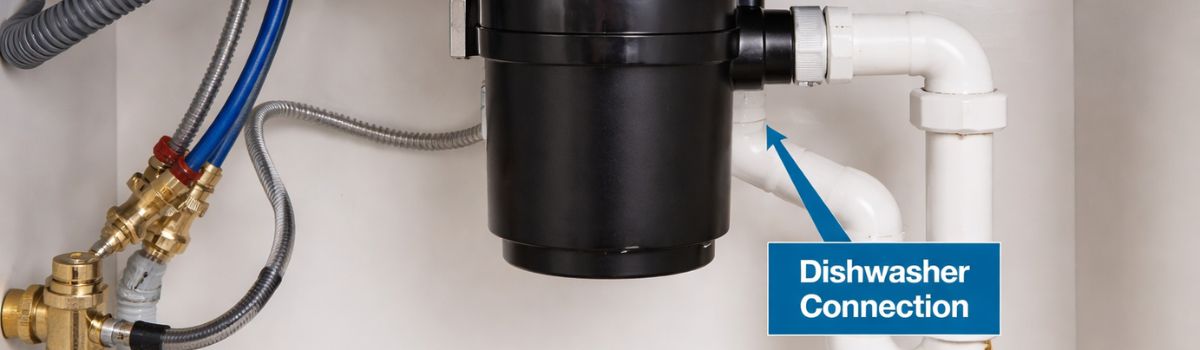
Dishwashers in Nanaimo are usually connected to the garburator to allow wastewater from the dishwasher to flow through the disposal unit before entering the drain pipe. This connection involves both plumbing and electrical considerations.
Plumbing-wise, a dishwasher drain hose is attached to a small inlet on the garburator. This inlet is typically sealed with a knockout plug that must be removed before connection. The hose ensures that wastewater from the dishwasher is properly directed into the disposal unit, where any food particles can be ground up and flushed away.
On the electrical side, the garburator requires a power source to operate, usually connected via a wall switch or an air switch. The dishwasher itself has its own electrical supply and operates independently, but its drain relies on the garburator’s plumbing connection.
Proper connection between the dishwasher and garburator is crucial to maintain efficient drainage and prevent leaks or backups. An incorrect setup can lead to water pooling, unpleasant odors, or even damage to the dishwasher or plumbing system. Ensuring tight seals, correct hose placement, and proper knockout plug removal are essential steps in the installation process.
Common Problems with Garburator-Dishwasher Connections
1. Drainage Problems
One of the most frequent issues with garburator-dishwasher connections is improper drainage. If your dishwasher isn’t draining correctly, it could be due to a clog in the garbage disposal or the drain hose. Other common causes include blockages in the air gap or a faulty or kinked drain hose. When drainage problems occur, you might notice water pooling inside the dishwasher, slow draining cycles, or unpleasant backup odors. Addressing these issues promptly can help maintain your dishwasher’s efficiency and prevent water damage.
2. Leaks
Leaks at the connection points between the garburator and dishwasher are another common problem. These leaks often result from loose or damaged hose clamps, cracked drain hoses, or garburator fittings. Improper installation can also lead to water escaping these connections. Leaks not only reduce appliance efficiency but can also create safety hazards in your kitchen, such as water damage or electrical risks.
3. Electrical and Mechanical Issues
Mechanical problems with the garburator, such as overheating or jamming, can impact the dishwasher’s operation. Electrical issues may also cause malfunctions, including problems with the dishwasher’s display panel that can be linked back to garburator faults. Recognizing these signs early helps avoid more significant damage.
4. Air Gap and Backflow Issues
The air gap plays a crucial role in preventing backflow contamination from the garbage disposal into the dishwasher. Common problems arise from incorrect air gap installation or lack of regular maintenance, which can lead to blockages or water flowing backward into the dishwasher. Ensuring the air gap is properly installed and cleaned regularly is vital for maintaining hygiene and appliance function.
Diagnosing Connection Issues
Step-by-Step Troubleshooting
Start by performing a visual inspection of all hoses, clamps, and connections between the garburator and dishwasher. Look for any visible signs of wear, cracks, or loose fittings that could cause leaks or drainage problems. Next, check for clogs in both the garburator and the drain hoses. Food debris or buildup can block water flow, leading to connection issues. Running the dishwasher through a drainage cycle can help identify whether water is properly flowing out. Pay attention to how well the dishwasher drains during this cycle. Additionally, listen carefully for any unusual noises during operation, such as grinding or gurgling, which could indicate jams or mechanical faults within the garburator or dishwasher.
Solutions and Repairs
Fixing Drainage Issues
One of the most common problems with the Nanaimo garburator dishwasher connection is drainage issues. To fix these, start by clearing any clogs in the garburator and drain hose. Food particles and debris often cause blockages that prevent proper water flow. If the drain hose is damaged or worn out, replace it along with any faulty clamps to ensure a tight seal. Additionally, inspect the air gap components; clean or replace them if they are clogged or malfunctioning to maintain proper drainage.
Repairing Leaks
Leaks around the garburator and dishwasher connection can cause water damage and reduce appliance efficiency. To repair leaks, first check and tighten any loose hose clamps. If the hoses are cracked or damaged, they should be repaired or replaced promptly. Proper installation is crucial—ensure that all hoses and connections are fitted correctly and that seals are intact to prevent water from escaping.
Resolving Electrical and Mechanical Problems
Electrical or mechanical issues can disrupt the function of the garburator and dishwasher. If the garburator motor stops working, try resetting it according to the manufacturer’s instructions. Address any overheating by clearing jams inside the garbage disposal, which can cause the motor to overheat and shut down. Connection problems may also affect the dishwasher’s control panels; these might need repair or replacement to restore normal operation.
Additional Resources
Guides on Dishwasher Maintenance and Garburator Troubleshooting
Proper maintenance is key to preventing issues with your dishwasher and garburator connection. Several reliable guides are available online that provide step-by-step instructions for routine dishwasher care, including cleaning filters, checking hoses, and ensuring proper installation. For garburator troubleshooting, these resources cover common problems like clogs, leaks, and unusual noises, helping you identify and fix issues early to avoid costly repairs.
Trusted Repair Services in Nanaimo
If you encounter persistent problems that you can’t resolve on your own, professional help is available in Nanaimo. Trusted repair services specialize in both dishwasher and garburator repairs, offering expert diagnosis and efficient solutions. Some well-reviewed options include:
- Nanaimo Appliance Repair
- Coastal Plumbing & Drain Services
- Island Home Services
Contacting these professionals ensures your appliances are serviced correctly and safely, restoring proper function to your kitchen fixtures.
Conclusion
Proper connection between the garburator and dishwasher is essential to maintain a functional and efficient kitchen plumbing system. Ensuring that these connections are correctly installed and maintained helps prevent common issues such as leaks, clogs, and backflows that can lead to costly repairs.
Timely diagnosis and repair of any garburator-dishwasher connection problems are crucial. Addressing issues early not only protects your plumbing system but also avoids the inconvenience and expense of more severe damage down the line.
Prioritizing safety and efficiency in your kitchen plumbing ensures a hygienic environment and smooth operation of your appliances. Regular inspections and prompt attention to any connection faults will keep your garburator and dishwasher working reliably for years to come.