
Deep Clean Your Dishwasher That’s Not Cleaning in Delta
Maintaining a clean and sanitized dishwasher is essential for ensuring your dishes come out spotless and free from bacteria. A dirty dishwasher not only affects the cleanliness of your dishes but can also lead to unpleasant odors and potential health risks. Recognizing when your dishwasher isn’t cleaning effectively is the first step to addressing the problem.
Common signs that your dishwasher is not performing well include dishes with leftover food particles, cloudy or spotted glassware, and a persistent foul smell inside the appliance. These issues indicate that your dishwasher may need thorough cleaning or sanitizing to restore its efficiency. Following a guide to installing integrated dishwashers ensures you set it up correctly, which can prevent some of these common problems.
In Delta, homeowners often face unique challenges due to the prevalence of hard water. Hard water contains high levels of minerals like calcium and magnesium, which can lead to mineral buildup inside your dishwasher. This buildup can clog spray arms, reduce water flow, and hinder the dishwasher’s ability to clean properly. Understanding these local factors is crucial when sanitizing and maintaining your dishwasher to keep it running smoothly.
Comprehensive Cleaning of Dishwasher Components
Clean the Filter Regularly
The dishwasher filter plays a crucial role in trapping food particles and preventing them from clogging the drain or recirculating onto your dishes. A clogged or dirty filter reduces cleaning efficiency and can cause unpleasant odors. To maintain optimal performance, clean the filter monthly.
Step-by-step guide to clean the filter:
- Locate the filter at the bottom of the dishwasher.
- Remove the filter by twisting or lifting it out, depending on your model.
- Rinse the filter under warm running water to remove debris.
- Use a soft brush or sponge to scrub away stubborn particles.
- Reinstall the filter securely before running the dishwasher again.
Regular filter maintenance helps your dishwasher run smoothly and ensures your dishes come out clean every time.
Inspect and Clean Spray Arms
Spray arms are responsible for distributing water evenly throughout the dishwasher, directly impacting the cleaning effectiveness. Over time, spray arm holes can become clogged with mineral deposits or food particles, reducing water flow.
To inspect and clean the spray arms:
- Remove the spray arms according to your dishwasher’s instructions.
- Check each hole for blockages.
- Soak the spray arms in white vinegar for 15-30 minutes to dissolve mineral buildup.
- Use a toothpick or a small brush to clear any remaining debris from the holes.
- Rinse thoroughly with hot water.
- Examine the spray arms for cracks or wear; replace if damaged.
- Reinstall the spray arms securely.
Regular cleaning of spray arms ensures water can reach all dishes effectively, improving overall wash results.
Clean Door Seals and Exterior
The door seals prevent water leaks and keep the dishwasher airtight during cycles. Over time, food debris and moisture can accumulate on the seals, leading to mold growth and unpleasant odors.
To clean the door seals:
- Wipe the seals with a damp cloth soaked in warm, soapy water.
- Use a soft brush to remove any trapped debris in the folds.
- Dry the seals thoroughly with a clean cloth.
Additionally, regularly wipe down the dishwasher’s exterior and control panel to remove fingerprints, grease, and dust. Keeping these areas clean maintains the appliance’s appearance and hygiene.
Optimizing Dishwasher Usage for Better Sanitization
Choose the Correct Detergent and Use Proper Amounts
Using the right detergent is crucial for effective cleaning and sanitization in your dishwasher. Expired, incorrect, or poor-quality detergents can leave residues on dishes and reduce the appliance’s ability to clean thoroughly. Pre-measured detergent pods offer consistent dosing, ensuring the right amount is used every cycle without guesswork. Additionally, incorporating a rinse aid can significantly improve drying results and reduce water spots, especially in areas with hard water. Proper detergent and rinse aid use work together to enhance the overall cleanliness and hygiene of your dishes.
Select Appropriate Wash Cycles
Dishwashers come with various wash cycles designed for different types of loads and soil levels, including heavy-duty, normal, quick wash, and sanitize options. Choosing the right cycle based on the load is essential for optimal cleaning and sanitization. For heavily soiled pots and pans, heavy-duty cycles use higher temperatures and longer durations to break down tough residues. Normal cycles work well for everyday dishes, while quick washes are suitable for lightly soiled items. The sanitize cycle, which uses elevated water temperatures, is particularly effective at killing bacteria and ensuring hygienic results. Understanding how cycle temperature and duration affect sanitization helps you make better choices to keep your dishes clean and safe.
Tackling Hard Water and Mineral Buildup Issues in Delta
Understanding Hard Water Effects
Hard water contains high levels of minerals like calcium and magnesium. These mineral deposits can interfere with the detergent’s ability to clean effectively, often leading to spots, cloudy film, and residue on dishes. Over time, mineral buildup can accumulate inside the dishwasher, clogging spray arms and filters, which further reduces cleaning performance. Common signs of hard water impact include white spots on glassware, a gritty film on dishes, and a noticeable decrease in the dishwasher’s cleaning efficiency.
Solutions to Combat Hard Water
To address hard water problems, several solutions can be implemented. Using water-softening agents specifically formulated for dishwashers can help bind minerals and improve detergent performance. In dishwashers designed for it, adding dishwasher salt can also soften water and prevent buildup. For a long-term approach, installing a whole-home water softener system is effective in reducing mineral content throughout your water supply.
Regular maintenance is crucial. Running cleaning cycles with white vinegar or commercial descalers can dissolve and remove mineral deposits inside the dishwasher, keeping it running efficiently. These steps help ensure your dishwasher cleans thoroughly despite the challenges posed by hard water in Delta.
Sanitizing Your Dishwasher: Step-by-Step
Manual Cleaning Process
Start by removing the dishwasher racks and cleaning them separately. You can wash the racks with warm water and mild detergent, scrubbing gently to remove any food particles or residue. This ensures that the racks themselves don’t reintroduce dirt during the sanitizing process.
Next, focus on the interior walls and base of the dishwasher. Use a soft sponge or cloth with mild detergent to thoroughly clean these areas. Pay special attention to corners and crevices where grime and buildup tend to accumulate. Rinse the sponge regularly to avoid spreading dirt around.
Running a Sanitizing Cycle
If your dishwasher has a built-in sanitize setting, use it after the manual cleaning. This setting raises the water temperature to a level that kills bacteria and germs effectively. Running this cycle regularly helps maintain a hygienic dishwasher.
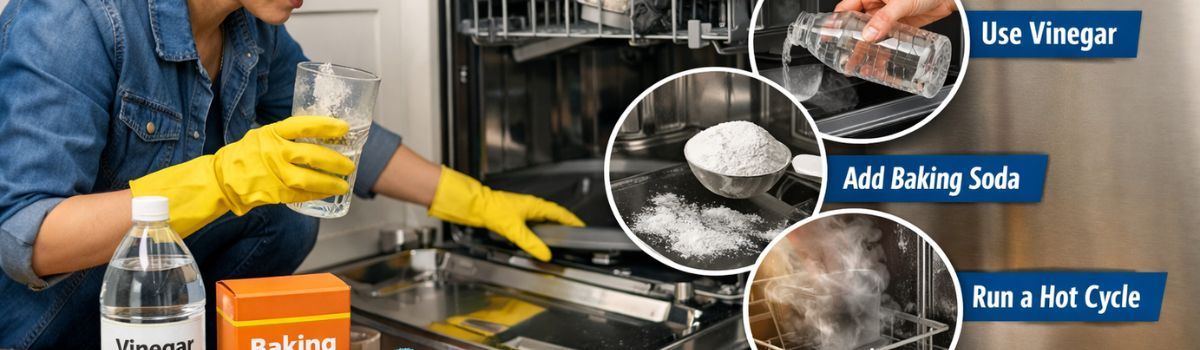
If your dishwasher lacks a sanitize option, you can run an empty cycle on the hottest setting. Add a dishwasher cleaner specifically designed to sanitize or use a cup of white vinegar placed in the bottom rack. Vinegar helps break down buildup and disinfects the interior.
It’s recommended to sanitize your dishwasher at least once a month to prevent odors and maintain cleaning efficiency, especially if you use it frequently. Regular sanitizing keeps your dishwasher hygienic and ensures your dishes come out clean every time.
Tips to Keep Your Dishwasher Sanitized and Clean Well
Proper maintenance is essential to ensure your dishwasher remains sanitized and functions effectively. Here are key tips to keep your dishwasher in top shape:
Monthly Filter and Spray Arm Maintenance
Regularly clean the dishwasher filter to prevent food particles and debris from clogging it. A clogged filter can reduce cleaning efficiency and cause unpleasant odors. Additionally, check and clean the spray arms to remove any mineral buildup or blockages that may hinder water flow. Removing and rinsing these parts under running water monthly helps maintain optimal performance.
Using Detergent and Rinse Aid Correctly
Use dishwasher detergent and rinse aid as recommended by the manufacturer. Avoid using too much detergent, which can leave residues and create buildup, or too little, which may not properly clean dishes. Rinse aid helps dishes dry faster and prevents spots; ensure it is refilled regularly for best results.
Monitoring Water Quality and Addressing Hard Water Issues
Hard water can cause mineral deposits inside your dishwasher, affecting its cleaning ability and sanitation. If you notice white spots or buildup on dishes, consider installing a water softener or using dishwasher detergents formulated for hard water. Regularly inspecting and addressing water quality will prolong your dishwasher’s lifespan.
Avoiding Overloading and Proper Loading Techniques
Do not overload your dishwasher, as this can prevent water and detergent from reaching all surfaces of your dishes. Load items according to the manufacturer’s guidelines, ensuring that spray arms can rotate freely and that dishes do not block water jets. Proper loading improves cleaning efficiency and sanitation.
Scheduling Professional Servicing When Needed
Even with regular maintenance, scheduling periodic professional servicing can help identify and fix issues before they become major problems. A technician can deep clean internal parts, check for worn components, and ensure the dishwasher operates at peak sanitation and cleaning performance.
Resources and Visual Aids
For a detailed, step-by-step guide on how to thoroughly clean and sanitize your dishwasher, we recommend watching the following video tutorial:
This video provides clear instructions and useful visual tips that can help ensure your dishwasher is fully cleaned and functioning optimally.
Conclusion
To effectively sanitize your dishwasher and restore its cleaning power, start by thoroughly cleaning the filter, spray arms, and interior surfaces. Running a cycle with dishwasher cleaner or a cup of white vinegar helps remove buildup and eliminate odors. Additionally, regularly checking and maintaining the dishwasher’s components ensures consistent performance.
Consistent maintenance is essential for lasting results. Make it a habit to clean your dishwasher monthly and inspect for any signs of damage or clogging. This proactive approach prevents grime accumulation and keeps your appliance running efficiently.
Since water quality can vary in Delta, adapting your cleaning routine to local water conditions is important. Hard water areas may require more frequent descaling or the use of water softeners to avoid mineral deposits. Tailoring your approach will help maintain your dishwasher’s effectiveness over time.