
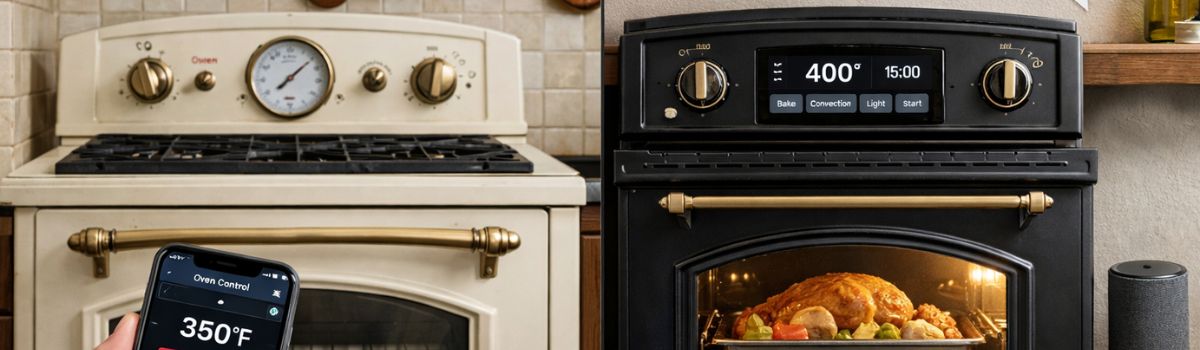
DIY Smart Oven Upgrades for Modern Homes Near Delta
Smart kitchen appliances are becoming increasingly popular as homeowners seek to enhance convenience, efficiency, and control in their cooking spaces. Upgrading old ovens with smart features offers a practical way to modernize your kitchen without the need for a full replacement. In some cases, performing an oven thermocouple replacement alongside smart upgrades ensures your appliance functions safely and efficiently. This trend not only improves the cooking experience but also aligns with growing consumer demand for connected and easy-to-use devices.
The smart oven market reflects this rapid growth. According to Market Research Future, the market valuation is projected to exceed USD 600 million by 2030. Transparency Market Research further anticipates the market will reach US$666.8 million by 2031, driven by innovations in connectivity and rising consumer demand for convenience.
Beyond convenience, upgrading an existing oven with smart features offers environmental and economic benefits. It reduces electronic waste and the energy costs associated with manufacturing and disposing of old appliances. Economically, it can be more cost-effective to retrofit your current oven rather than purchasing a brand-new smart model, making it an appealing option for budget-conscious consumers looking to modernize their kitchens responsibly.
Understanding Smart Oven Features
When upgrading an old oven with smart capabilities, it’s important to understand the key features that can enhance your cooking experience.
Key Smart Features to Consider Adding
Over-the-Air (OTA) Cooking Upgrades: Modern smart ovens can receive software updates that add new cooking modes without needing hardware changes. Examples include specialized modes like Steakhouse Mode or No-Preheat Air Fry, which can be added through manufacturer apps. For instance, Café Appliances offers these upgrades to continually improve your oven’s functionality. Additionally, brands like Thermador allow you to activate Air Fry and Air Sous Vide modes via their Home Connect® app, providing greater versatility in your cooking methods.
Smart Sensors: These sensors monitor crucial cooking parameters such as temperature to ensure food is cooked precisely. Some ovens feature vibration detection that can alert you to potential issues with appliance health, helping prevent breakdowns before they occur.
Energy Consumption Monitoring: Smart ovens can track their energy use, allowing you to manage and reduce power consumption effectively.
Timed Activation and Remote Control: With smart connectivity, you can start, stop, or adjust cooking cycles remotely through smartphone apps, adding convenience and flexibility to your routine.
Benefits of Smart Features
Incorporating smart features into your oven upgrade offers several advantages:
Improved Cooking Precision and Consistency: Sensors and smart modes help achieve perfect results by monitoring and adjusting cooking conditions in real-time.
Energy Savings and Efficiency: Monitoring energy use and optimizing cooking cycles contribute to reduced utility bills.
Enhanced Convenience: Remote control and automation allow you to manage your oven from anywhere, fitting cooking seamlessly into your schedule.
Expandable Functionality: OTA updates mean your oven can gain new capabilities over time, keeping it current without needing a complete replacement.
Preparing for Your DIY Smart Oven Upgrade
Assessing Your Current Oven
Before beginning your smart upgrade, it’s important to evaluate your existing oven’s compatibility. Check if your oven model supports integration with smart devices and over-the-air (OTA) updates, which allow firmware improvements without manual intervention. Identify the type of control panel your oven uses digital touchscreens are generally easier to upgrade than analog dials. Also, determine what connectivity options your oven currently has, such as Wi-Fi or Bluetooth, as this will influence the components you can add.
Required Tools and Components
To successfully upgrade your oven, gather the right tools and components. Start with smart plugs that have energy monitoring capabilities to track your oven’s power usage remotely. Wireless temperature and vibration sensors can help monitor cooking conditions and detect unusual activity. You’ll also need a compatible smartphone or tablet to control and configure the smart features via dedicated apps. Lastly, ensure you have a stable Wi-Fi or Bluetooth setup to maintain reliable communication between your oven and smart devices.
Safety Considerations
Safety is paramount when working on your oven upgrade. Handle all electrical wiring with care to avoid shocks or short circuits. If you are unfamiliar with electrical work, consider consulting a professional. Make sure all components you use are rated for kitchen environments, meaning they can withstand heat, moisture, and potential splashes. Using certified and kitchen-safe parts will ensure your upgrade is both safe and durable.
Step-by-Step DIY Upgrade Process Near Delta
Step 1: Enable Manufacturer OTA Updates (If Applicable)
Begin by checking if your oven model supports over-the-air (OTA) firmware updates. Many modern ovens allow downloadable upgrades that can enhance functionality. Register your appliance with the manufacturer’s app and connect it to your home Wi-Fi network. This connection lets you activate new cooking modes such as Air Fry or Steakhouse Mode, expanding your oven’s capabilities without hardware changes.
Step 2: Install Smart Plugs for Power Monitoring and Control
Next, select smart plugs that can handle your oven’s power rating safely. These plugs enable you to monitor power usage and control the oven remotely. By setting up timed activations, you can automate cooking schedules or switch the oven off from anywhere. This step not only adds convenience but also helps in managing energy consumption effectively.
Step 3: Add Smart Sensors
Enhance your oven’s intelligence by attaching wireless temperature sensors inside or near the oven cavity. These sensors provide real-time temperature data, enabling more precise cooking. Additionally, vibration sensors can be installed to monitor the appliance’s mechanical health, alerting you to potential issues before they become serious. Integrate all sensors with your home automation system to centralize control and monitoring.
Step 4: Configure and Optimize
Finally, link all upgraded smart devices to a central app or hub to streamline management. Program cooking presets tailored to your preferences and set alerts for cooking progress or appliance status. Use the system to monitor energy consumption and usage patterns over time, allowing you to optimize cooking habits and reduce utility costs.
Troubleshooting and Maintenance
When upgrading your old oven with smart features, maintaining smooth operation is key. Here are some common troubleshooting and maintenance tips to keep your smart oven functioning properly.
Common Issues with Smart Device Connectivity
Smart ovens rely on stable Wi-Fi connections for remote control and monitoring. Frequent disconnections can occur due to weak signals, router issues, or interference from other devices. To resolve connectivity problems, try restarting your router, moving the oven’s smart module closer to the Wi-Fi source, or connecting to a different network band (2.4 GHz often works better than 5 GHz for smart devices). If issues persist, consult the device’s manual for specific network troubleshooting steps.
Updating Firmware and Apps
Keeping your oven’s firmware and companion apps updated is essential for security, new features, and bug fixes. Most smart ovens notify you when updates are available. Regularly check the app store on your smartphone for the latest app versions and follow prompts within the app to update firmware. Avoid interrupting updates once started to prevent software corruption.
Regular Sensor Calibration and Battery Replacement
Sensors such as temperature probes must be calibrated periodically to ensure accurate readings. Follow manufacturer instructions for calibration, which may involve using known temperature references or app-guided procedures. Additionally, some smart components are battery-powered, like remote sensors or control modules. Check battery status regularly and replace batteries as needed to maintain reliable operation.
By addressing these common issues and performing routine maintenance, your upgraded smart oven will continue to deliver convenience and efficiency for years to come.
Local Resources and Support in Delta
Delta offers several resources for those looking to upgrade their old ovens with smart features. There are multiple smart kitchen appliance retailers and service centers within the area where you can find the latest smart oven models, compatible accessories, and expert advice. These retailers often provide hands-on demonstrations and installation support to help you get started.
For DIY enthusiasts, Delta hosts community workshops and groups focused on smart home projects. These workshops provide practical guidance on installing smart features, troubleshooting common issues, and integrating your oven with other smart devices. Joining a local DIY group can also connect you with other homeowners who share insights and experiences.
If you prefer professional assistance, Delta has qualified technicians who specialize in advanced retrofitting of older appliances. These professionals can help with installing complex smart modules, ensuring compatibility, and maintaining safety standards. Hiring expert services can be particularly beneficial for more intricate upgrades that go beyond basic plug-and-play solutions.
Future Trends in Smart Oven Technology
Smart oven technology is rapidly evolving, with several key trends shaping the future of cooking appliances. One major development is the increasing integration with artificial intelligence (AI) and voice assistants. This allows users to control their ovens hands-free, receive cooking suggestions, and even adjust settings automatically based on the recipe or food type. Voice commands through popular assistants like Alexa or Google Assistant are becoming more seamless, making smart ovens more accessible and convenient.
Another significant trend is the expansion of multifunctional cooking modes. Modern smart ovens are moving beyond traditional baking and roasting to include features like air frying, dehydrating, and slow cooking, all within a single appliance. This multifunctionality not only saves kitchen space but also offers users greater versatility in meal preparation.
Advances in predictive maintenance and diagnostics are also transforming smart ovens. These technologies use sensors and AI to monitor the oven’s performance, predict potential issues before they occur, and suggest maintenance tasks to the user. This proactive approach minimizes downtime and extends the lifespan of the appliance, ensuring reliable operation over time.
Together, these trends point toward a future where smart ovens are more intelligent, versatile, and user-friendly, making them a valuable upgrade for any kitchen.
Conclusion
Upgrading old ovens with smart features offers numerous benefits, including enhanced convenience, improved energy efficiency, and extended appliance lifespan. These upgrades allow users to enjoy modern functionalities such as remote control, precise cooking modes, and automatic software updates, transforming traditional ovens into intelligent kitchen tools.
Homeowners can take advantage of both manufacturer-provided updates and DIY retrofitting options to modernize their existing ovens. Manufacturer updates, like over-the-air software enhancements, often unlock new cooking modes and features without requiring hardware changes. For those interested in hands-on improvements, DIY smart upgrades offer customizable solutions to add connectivity and advanced controls to older models.