
Essential DIY Tools Every Victoria Homeowner Needs for Washing Machine Repair
Having the right tools is essential for anyone looking to undertake DIY washing machine repairs. The correct tools not only make the repair process more efficient but also help prevent further damage to the appliance. Whether you are a seasoned DIYer or a beginner, equipping yourself with appropriate tools can save you time and money, especially when dealing with washer drainage issues.
Performing washing machine repairs yourself offers several benefits. It allows you to address problems quickly without waiting for a professional technician, which can be especially helpful in emergencies. Additionally, DIY repairs can significantly reduce repair costs, as you avoid service fees and can often source affordable replacement parts. Moreover, learning to fix your washing machine builds your confidence and skills for future household maintenance tasks.
Common washing machine issues that often require repair include drainage problems, such as water not draining properly; spinning malfunctions, where the machine fails to spin or spins unevenly; leaks, which can cause water damage; and electrical faults like unresponsive controls or error codes. Understanding these typical problems can help you identify the right tools and approach for effective repair.
Essential Tool Sets for Washing Machine Repair
Comprehensive Disassembly Tool Sets
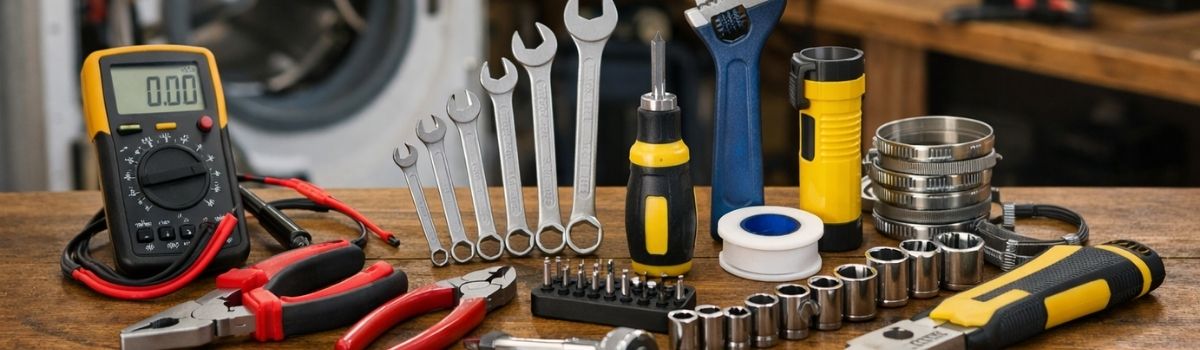
A comprehensive disassembly tool set is vital for efficient washing machine repair. These sets usually include a screwdriver, 3-in-1 wrench, hexagonal wrench, various bits, and hooks to cover a wide range of tasks. Constructed from durable materials like chrome vanadium steel and ABS, these tools offer both strength and longevity. They are specifically designed to make the disassembly and reassembly of washing machines straightforward and efficient.
Screwdriver Sets
Having a screwdriver set with multiple sizes and types is crucial. Phillips, flathead, and Torx screwdrivers are commonly needed to remove panels, screws, and various fasteners during washing machine repairs. The variety ensures that you can handle different screw heads without damaging them, making the repair process smoother.
Wrenches and Pliers
Adjustable wrenches are essential for loosening and tightening nuts and bolts of different sizes. Pliers come in handy for gripping, twisting, and cutting wires or small components inside the machine. Hexagonal wrenches, or Allen keys, are particularly useful for accessing bolts located in tight or hard-to-reach spots.
Socket Sets
Socket sets are indispensable when dealing with drum bolts and other specialized fasteners. Having a range of socket sizes allows you to fit various bolts found on different washing machine models, enabling secure removal and installation without stripping the fasteners.
Diagnostic and Electrical Tools
Multimeters
Multimeters are essential tools for diagnosing electrical faults in washing machines. They measure voltage, current, and resistance, which helps identify issues with wiring, switches, and motors. Using a multimeter allows you to pinpoint problems quickly and accurately, making it a vital instrument for any DIY washing machine repair.
Wire Cutters and Strippers
Wire cutters and strippers are necessary for repairing or replacing wiring connections in washing machines. These tools ensure safe and clean cuts, which is crucial to maintaining proper electrical connections and preventing shorts or other hazards during repairs.
Safety and Convenience Accessories
Work Gloves
When repairing a washing machine, protecting your hands is crucial. Work gloves shield your hands from sharp edges inside the appliance and reduce the risk of electrical hazards. Using gloves helps prevent cuts, scrapes, and accidental shocks, making the repair process safer.
Extension Cords and Towels
Extension cords are essential when working in tight or awkward spaces where power outlets may be out of reach. They provide the flexibility to position your tools and equipment exactly where you need them without compromising safety.
Towels serve multiple purposes during washing machine repairs. They are useful for quickly cleaning up water spills that can happen when disconnecting hoses or draining the machine. Additionally, towels can protect your flooring from scratches or stains caused by tools or components.
Including these safety and convenience accessories in your toolkit ensures a smoother, safer, and more efficient washing machine repair experience.
Tool Maintenance and Storage
Proper maintenance and storage of your DIY tools are essential for ensuring their longevity and effectiveness when repairing washing machines. Here are some tips to keep your tools clean, rust-free, and organized:
Clean Tools After Each Use: Wipe down your tools with a clean cloth to remove dirt, grease, and moisture. This prevents buildup that can cause damage over time.
Prevent Rust: Apply a light coat of oil on metal parts to protect against rust, especially if you live in a humid environment like Victoria. Storing tools in a dry place also helps minimize rust formation.
Organize Tools Properly: Keep your tools sorted by type and size. Use compartments or holders within your toolbox to avoid misplacing items and to make them easy to find when needed.
Storing your tools in a dedicated kit or toolbox is crucial. It not only protects them from damage and exposure to elements but also improves your efficiency by having all necessary tools in one place. A good toolbox keeps your workspace tidy and ensures that your washing machine repair projects in Victoria go smoothly without interruptions caused by missing or damaged tools.
Step-by-Step Guide to Using Your Tools for Common Repairs
Replacing a Washing Machine Belt
Tools needed: screwdriver, wrench set, pliers
- Unplug the washing machine to ensure safety before starting any repairs.
- Remove the back panel using a screwdriver to access the belt area.
- Use the wrench set to loosen and remove any bolts holding the belt cover in place.
- Inspect the belt for wear or damage and carefully slide it off the pulleys using pliers if necessary.
- Install the new belt by positioning it on the motor and drum pulleys.
- Reassemble the belt cover and back panel, tightening all screws and bolts securely.
- Plug in the machine and run a test cycle to ensure the belt is functioning properly.
Fixing a Leak
Tools needed: adjustable wrench, pliers, towels
- Unplug the washing machine and turn off the water supply.
- Use towels to soak up any water around the machine.
- Inspect common leak points such as the hoses, pump, and door seal.
- Tighten hose connections with the adjustable wrench if loose.
- Use pliers to remove and replace any damaged hoses or clamps.
- Check the door seal for cracks or damage and replace if necessary.
- Turn the water supply back on and run a short cycle to check for leaks.
Diagnosing Electrical Issues
Tools needed: multimeter, screwdriver set
- Unplug the washing machine before opening any panels.
- Use a screwdriver to remove the control panel or access covers.
- Set the multimeter to the appropriate setting (ohms or voltage).
- Test components such as fuses, switches, and wiring for continuity or voltage according to the machine’s manual.
- Interpret readings: a lack of continuity indicates a broken circuit, while incorrect voltage may suggest a faulty part.
- Replace any defective components found during testing.
- Reassemble the panels and test the machine for proper operation.
Where to Purchase Quality DIY Tools in Victoria
When looking to buy quality DIY tools for washing machine repair in Victoria, several local hardware stores and online retailers stand out for their selection and reliability.
Recommended Local Hardware Stores
- Bunnings Warehouse: A popular choice across Victoria, Bunnings offers a wide range of tools suitable for appliance repair. Their staff are knowledgeable and can assist in finding the right tools for your specific needs.
- Total Tools: Known for professional-grade tools, Total Tools stores in Victoria provide durable and high-quality options ideal for DIY repairs.
- Mitre 10: Another trusted local retailer, Mitre 10 stocks various hand and power tools that are perfect for washing machine maintenance and repair.
Recommended Online Retailers
- Amazon Australia: Offers a vast selection of tools with customer reviews that can help gauge quality and suitability.
- eBay Australia: A good option for finding both new and secondhand tools at competitive prices.
- Tool Kit Depot: Specializes in tools and kits specifically for appliance repair, providing convenience and quality assurance.
Tips for Choosing High-Quality, Durable Tools
- Check Material Quality: Opt for tools made from hardened steel or other durable materials to ensure longevity.
- Brand Reputation: Choose tools from reputable brands known for reliability in DIY and professional repairs.
- Warranty and Support: Look for tools that come with a warranty and customer support, indicating manufacturer confidence.
- Ergonomics and Comfort: Since repair tasks can be time-consuming, select tools that are comfortable to hold and use.
- Read Reviews: Customer feedback can provide insight into the real-world performance of tools.
By purchasing from trusted retailers and focusing on durability and comfort, you can ensure your DIY washing machine repair projects in Victoria are efficient and successful.
Conclusion
To successfully repair a washing machine, having the right tools is essential. Key tools such as a multimeter, adjustable wrenches, screwdrivers, pliers, and specialized disassembly sets enable you to diagnose and fix common issues efficiently. Investing in quality tools not only makes the repair process smoother but also helps prevent further damage to your appliance.
For DIY enthusiasts, assembling a reliable toolkit tailored to washing machine repair is a smart choice. It empowers you to handle repairs confidently and can save both time and money in the long run. Remember, each tool serves a specific purpose, so choosing the correct one for the task is crucial.
Above all, safety should never be overlooked. Always disconnect the washing machine from power before starting any repair, use tools properly, and follow manufacturer guidelines. Proper handling of tools and adherence to safety precautions will ensure that your DIY repair experience is both effective and safe.