
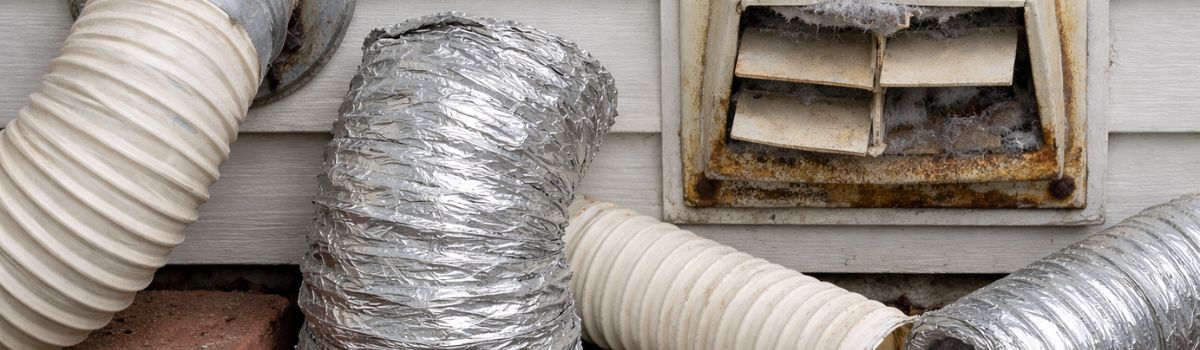
Upgrade Your Home with Modern Dryer Vent Solutions in Victoria
Maintaining and upgrading dryer vents is crucial for homeowners, especially in Victoria where building regulations and safety standards are strictly enforced. Proper dryer vent maintenance ensures that your dryer operates efficiently, reducing energy consumption and lowering utility bills. More importantly, it helps prevent potential safety hazards such as fires caused by lint buildup or improper ventilation. This article serves as a trusted repair guide for dryer vents, helping homeowners understand essential maintenance practices.
Upgrading outdated dryer vents can improve airflow, enhance dryer performance, and ensure compliance with local building codes. For homeowners in Victoria, staying up to date with these upgrades not only promotes a safer home environment but also aligns with regulatory requirements designed to protect households from avoidable risks. Regular inspections and timely upgrades are essential steps in maintaining a safe, efficient, and compliant laundry setup.
Understanding Dryer Vent Systems
Components and Functionality
A dryer vent system consists of several basic parts that work together to safely expel moisture and lint from your dryer to the outside of your home. The key components include the dryer duct, vent hood, and sometimes a vent cap. The dryer duct is typically a flexible or rigid metal tube connected to the back of the dryer, channeling hot, moist air away from the appliance. The vent hood, usually installed on an exterior wall or roof, prevents pests and debris from entering the duct while allowing the moist air to escape efficiently.
Dryer vents operate by creating a pathway for the warm, humid air generated during the drying process to exit your home. As the dryer tumbles clothes, it heats the air and collects moisture and lint from the fabric. This air must be vented outside to prevent moisture buildup indoors, which can lead to mold and structural damage. The vent system also helps maintain dryer efficiency by reducing drying times and energy use.
Common Issues with Outdated Dryer Vents
Outdated dryer vent systems often face several problems that compromise their performance and safety. One of the most common issues is poor exhaust performance caused by blockages. Over time, lint and debris can accumulate inside the vent, restricting airflow and causing the dryer to work harder and longer to dry clothes.
This buildup not only reduces efficiency but also creates a significant fire hazard. Lint is highly flammable, and restricted airflow can cause the dryer and vent to overheat, increasing the risk of a fire starting within the vent system.
For homes with gas dryers, outdated or poorly maintained vent systems can pose additional risks. If the vent is blocked or damaged, carbon monoxide produced during the drying process may not vent properly, leading to dangerous indoor air quality issues and potential poisoning.
Understanding these components and risks highlights the importance of maintaining and upgrading dryer vent systems to ensure safety and optimal performance.
Regulatory Framework and Compliance
BC Building Code Requirements
Compliance with the BC Building Code is essential for ensuring both safety and insurance coverage when upgrading or installing dryer vents. The code sets out specific requirements to prevent fire hazards and ensure proper ventilation. Following these guidelines not only protects your home but also helps you avoid potential issues with insurance claims. Key requirements include using approved materials, proper installation techniques, and regular maintenance to keep vents clear and functional.
Dryer Vent Regulations Overview
Regulations for dryer vents emphasize the use of rigid metal ducts instead of flexible plastic or foil types, which are prone to lint buildup and fires. The vent must always terminate outside the building to ensure effective removal of moisture and lint. Additionally, there are limits on the maximum allowable duct length to maintain proper airflow and reduce fire risk. These standards are critical for maintaining dryer efficiency and safety.
Evaluating Outdated Dryer Vents
Signs of Inefficient or Unsafe Dryer Vents
One of the first indicators that your dryer vent may be outdated is reduced drying efficiency. If your clothes take longer than usual to dry, it could be due to restricted airflow caused by a clogged or damaged vent. Visible damage or corrosion on the vent itself is another clear sign that it might be time for an upgrade. Over time, vents can rust, crack, or become disconnected, which compromises their functionality. Excessive lint buildup is also a major concern; not only does it reduce drying performance, but it can also pose a serious fire hazard if not addressed promptly.
Inspection and Assessment Techniques
To accurately evaluate the condition of your dryer vent, professional inspection services are highly recommended. Experts use specialized tools to measure airflow and check for blockages or structural issues that are not easily visible. If you prefer a DIY approach, start by unplugging the dryer and disconnecting the vent from the back of the appliance. Look inside the vent for lint accumulation or damage. You can also use a flashlight to inspect the vent’s exterior for corrosion or gaps. Regular inspections, whether done professionally or by yourself, are essential to maintain dryer efficiency and safety.
Upgrade Options for Outdated Dryer Vents
Replacement of Duct Materials
One of the most effective upgrades for outdated dryer vents is replacing old duct materials with rigid metal ducts. Rigid metal ducts are safer and more compliant with current building codes compared to flexible plastic or foil ducts, which can be a fire hazard and prone to damage. Metal ducts provide a smooth interior surface that reduces lint buildup and improves airflow efficiency.
Improving Vent Exhaust Efficiency
Enhancing the efficiency of dryer vent exhaust is crucial. Shortening the duct length where possible minimizes resistance and allows moist air to exit the dryer quickly. It is also important to ensure the vent terminates properly to the exterior of the building, preventing moisture and lint from getting trapped inside walls or attic spaces. Installing a backdraft damper helps stop outside air, pests, and debris from entering the duct when the dryer is not in use.
Adding Features for Safety and Functionality
Additional features can significantly improve safety and ease of maintenance. Installing lint traps and cleanout ports allows for easier removal of lint buildup, reducing fire risk and maintaining dryer efficiency. Upgrading vent covers to models designed to prevent pest entry helps protect the vent system from rodents and insects, contributing to a cleaner, safer home environment.
Maintenance Best Practices
Regular Cleaning Frequency
For most households in Victoria, it is recommended to clean dryer vents at least once a year. Regular cleaning helps maintain efficiency, reduces energy consumption, and prevents lint buildup, which can be a significant fire hazard. Annual cleaning ensures that vents remain clear and function properly, promoting safety and extending the life of your dryer.
Professional Cleaning Services
Hiring specialized dryer vent cleaning services offers several benefits. Professionals have the right tools and expertise to thoroughly remove lint and debris, even from hard-to-reach vent sections. This comprehensive cleaning improves dryer performance and reduces fire risks. Additionally, many companies offer group discounts for strata buildings and multi-family dwellings, making professional cleaning more affordable for communities.
Gas Dryer Vent Specific Considerations
Gas dryer vents require particular attention during maintenance due to the risks associated with gas appliances. Proper cleaning is crucial to prevent fire hazards and the potential buildup of carbon monoxide, a dangerous and potentially lethal gas. Regular maintenance and inspection of gas dryer vents are essential to ensure safe venting and prevent hazardous situations.
Case Studies and Local Success Stories
Several homeowners in the Victoria area have experienced significant improvements in safety and efficiency after upgrading their outdated dryer vents. One notable case involved a family in Saanich who replaced their old, flexible foil vent with a rigid metal duct system. This upgrade reduced the risk of lint buildup and improved airflow, resulting in faster drying times and lower energy bills.
In another example, a residence in Oak Bay had a vent that was improperly routed and clogged, causing excessive heat buildup and potential fire hazards. After professional inspection and installation of a new vent system with proper insulation and vent cap, the household noticed a marked improvement in dryer performance and peace of mind regarding fire safety.
Local contractors in Victoria frequently report that homes with upgraded dryer vents experience not only enhanced safety by minimizing lint accumulation and fire risks but also increased energy efficiency. These success stories highlight the importance of modernizing dryer vent systems to protect property and reduce utility costs.
Cost Considerations and Budgeting
When planning to upgrade outdated dryer vents in Victoria, it’s important to understand the typical costs involved. Inspection services usually range from $100 to $200, depending on the complexity and accessibility of the vent system. Cleaning fees can vary between $150 and $300, often influenced by the amount of lint buildup and the type of equipment used. For upgrades, such as replacing old vents with newer, more efficient models, costs generally fall between $300 and $700, including materials and labor.
While these expenses might seem significant upfront, investing in dryer vent maintenance and upgrades can lead to considerable long-term savings. Efficient dryer vents reduce drying time, which lowers energy consumption and utility bills. Additionally, properly maintained and upgraded vents significantly decrease the risk of dryer fires, which can result in costly property damage and loss. By budgeting appropriately for inspection, cleaning, and necessary upgrades, homeowners in Victoria can enhance safety and efficiency, ultimately saving money over time.
Conclusion
Upgrading outdated dryer vents is crucial for maintaining safety and efficiency in your home or building. Old vents can pose serious fire hazards, reduce dryer performance, and lead to costly repairs. Ensuring that your dryer vent system is up to current standards helps prevent lint buildup, promotes proper airflow, and complies with local regulations.
For homeowners and strata managers in Victoria, prioritizing vent safety and compliance is essential. Regular inspections and timely upgrades not only protect property but also enhance the overall functionality of your laundry appliances. Taking these steps now can save you from potential risks and expenses down the lines.