
Samsung Washer Drainage Issues in the Greater Victoria Area Explained
Samsung washers have become a popular choice among households in the Greater Victoria area due to their advanced features, reliability, and energy efficiency. Many residents trust these appliances for their laundry needs, making Samsung one of the most common washer brands in the region. Proper washer pads and placement tips can also help optimize performance and reduce vibrations during operation.
However, like all appliances, Samsung washers can experience issues over time, with drainage problems being among the most frequent. Addressing these drainage issues promptly is crucial to prevent further damage to the appliance and to maintain its efficiency. Ignoring drainage problems can lead to costly repairs, reduced washing performance, and even potential water damage in the home.
Timely attention to these issues ensures that your Samsung washer continues to operate smoothly and extends its lifespan.
Understanding Samsung Washer Drainage Problems
Samsung washers are generally reliable, but drainage issues can occur, causing inconvenience and potentially damaging your laundry routine. Recognizing the common symptoms can help you identify a drainage problem early. These symptoms often include the washer not draining water after the cycle completes, water remaining in the drum, and error codes specifically related to drainage malfunctions.
Several factors can contribute to these drainage problems. One frequent cause is clogged or blocked drain pump filters, which prevent water from flowing out efficiently. Another common issue is twisted, kinked, or clogged drain hoses that restrict water movement. Additionally, faulty or broken drain pumps can stop the drainage process entirely.
Premature corrosion is another critical factor that affects drainage components in Samsung washers. This corrosion can damage the parts responsible for draining water, leading to persistent issues over time. For more details on corrosion-related problems, you can refer to investigations like the one documented by Ahdoot & Wolfson.
Improper leveling of the washer is also a common cause of drainage inefficiency. If the machine is not perfectly level, water may not drain properly, resulting in standing water after cycles finish. Samsung provides guidance on ensuring your washer is level to avoid these issues.
By understanding these symptoms and causes, users in the Greater Victoria area can better diagnose and address Samsung washer drainage problems effectively.
Step-by-Step Troubleshooting and Resolution
1. Ensuring Proper Leveling of the Washer
Start by checking if your Samsung washer is placed on a flat, stable surface. Use a spirit level on the top edges of the washer to ensure it is perfectly level. If the washer rocks or tilts, adjust the feet by turning them clockwise or counterclockwise until the unit is stable and level. Uneven placement can cause drainage problems because the water may not flow correctly towards the drain pump, leading to incomplete drainage cycles or water remaining inside the drum.
2. Inspecting and Maintaining the Drain Hose
Next, examine the drain hose connected to your washer. Look for any visible kinks, twists, or bends that could restrict water flow. Ensure the hose is properly installed inserted securely into the standpipe or sink, and not pushed too far in, which can cause siphoning. The hose should also be positioned at the correct height as recommended in your washer’s manual.
If you suspect a clog, detach the hose and flush it with water to clear any debris. You can also use a flexible brush or a plumbing snake for thorough cleaning. Keeping the drain hose free of obstructions ensures smooth water discharge during the wash cycle.
3. Cleaning the Drain Pump Filter
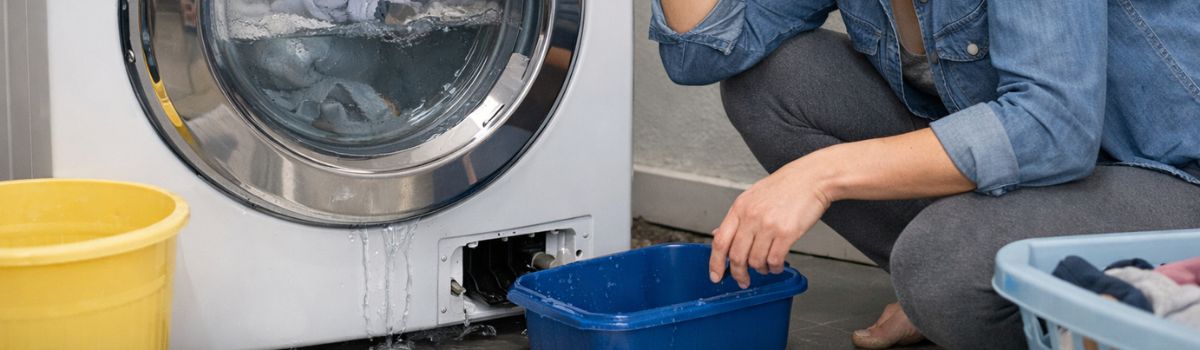
The drain pump filter is located at the bottom front of the washer behind a small access panel. Its role is to catch lint, coins, and other debris that could block the pump and prevent water from draining.
To clean the filter:
- Unplug the washer for safety.
- Open the access panel and place a shallow tray and towels underneath to catch any residual water.
- Slowly unscrew the filter cap and remove any trapped debris.
- Rinse the filter under running water before replacing it securely.
Signs that the pump filter needs cleaning include water remaining in the drum after the cycle, unusual noises during draining, or error codes related to drainage. Regular cleaning prevents blockages and keeps the drainage system functioning properly.
4. Checking and Replacing Faulty Drain Pumps
If your washer continues to have drainage issues after cleaning and inspecting the hose and filter, the drain pump itself might be faulty. Listen for unusual noises during the drain cycle, such as grinding or humming, which can indicate pump motor problems or blockages inside the pump.
Diagnosing pump failures often requires professional tools and expertise. If you suspect a faulty pump, it’s best to contact a qualified technician in the Greater Victoria area to inspect and replace the drain pump if necessary.
5. Additional Preventative Measures
To reduce the chances of drainage problems, use High-Efficiency (HE) detergent as recommended by Samsung. HE detergents produce fewer suds and reduce residue buildup inside the washer and drain system, which can lead to clogs.
Establish a regular maintenance routine that includes checking the drain hose, cleaning the pump filter, and ensuring the washer remains level. These simple steps help avoid common drainage issues and keep your Samsung washer operating smoothly.
Addressing Related Issues
Water Leaks and Their Connection to Drainage
Water leaks in Samsung washers are often linked to drainage problems. Common causes include clogged or damaged drain hoses, loose or faulty connections, and compromised door seals. If the drainage system is blocked or malfunctioning, water may back up and leak from various points around the washer. It is important to regularly inspect the drain hoses for cracks or clogs, ensure that all connections are secure, and check the door seals for any signs of wear or damage. Proper maintenance of these components can prevent leaks and improve overall drainage performance. For detailed guidance on troubleshooting water leaks, Samsung provides useful resources on their support site.
Corrosion and Mold Concerns
Corrosion can significantly impair a washer’s drainage effectiveness by damaging internal components and creating blockages. Over time, exposure to moisture and detergents can lead to rust buildup, which restricts water flow and may cause drainage failures. A recent investigation highlighted corrosion issues affecting Samsung top load washers, emphasizing the importance of addressing this problem promptly to maintain machine function.
Mold growth is another concern linked to poor drainage and residual moisture inside the washer. Mold thrives in damp environments and can cause unpleasant odors as well as potential health risks. To mitigate mold, it is advisable to keep the washer door open after use to allow drying, clean detergent dispensers regularly, and run periodic cleaning cycles with appropriate cleaners designed to eliminate mold and mildew.
Repair and Service Considerations in the Greater Victoria Area
Local Repair Services
Finding trusted appliance repair technicians who specialize in Samsung washers in the Greater Victoria area is essential for effective and reliable service. Local repair companies often have certified technicians trained specifically on Samsung appliances, which ensures that repairs are done correctly and efficiently. Choosing certified repair services is important not only for fixing drainage issues properly but also for maintaining the appliance’s warranty and extending its longevity. Uncertified repairs can void the warranty and may lead to further complications down the line.
Samsung Customer Support and Warranty
Samsung provides official support channels to assist customers with troubleshooting and repairs for their washers. Users in Greater Victoria can access Samsung’s support through their website, which offers detailed guides and options to schedule service appointments. This official support ensures that repairs are performed by authorized technicians using genuine parts, helping to maintain the quality and durability of the washer.
Repair Statistics and Expectations
Understanding the common repair issues and average repair rates for Samsung washers can help set realistic expectations. Samsung washers are generally reliable, but drainage problems are among the most frequently reported issues. According to industry data, repair rates for Samsung washer drainage issues are comparable to other major brands, with many problems resolved through standard maintenance or part replacements. Being informed about these statistics helps homeowners in Greater Victoria anticipate potential repair needs and costs, facilitating better planning and decision-making.
Conclusion
Addressing Samsung washer drainage issues involves a few key steps: first, carefully diagnosing the problem by checking for clogs, inspecting the drain hose, and ensuring the pump is functioning correctly. Resolving these issues often requires cleaning the filters, clearing blockages, or replacing faulty components.
Regular maintenance plays a crucial role in preventing drainage problems. Routinely cleaning the washer’s drain pump filter and inspecting hoses can help avoid buildup and blockages. When issues do arise, timely professional intervention ensures that minor problems don’t escalate into costly repairs.
For residents in the Greater Victoria area, there are reliable local repair services and resources available. Utilizing these local experts can provide efficient and effective solutions to keep your Samsung washer running smoothly and prevent drainage issues from disrupting your routine.