
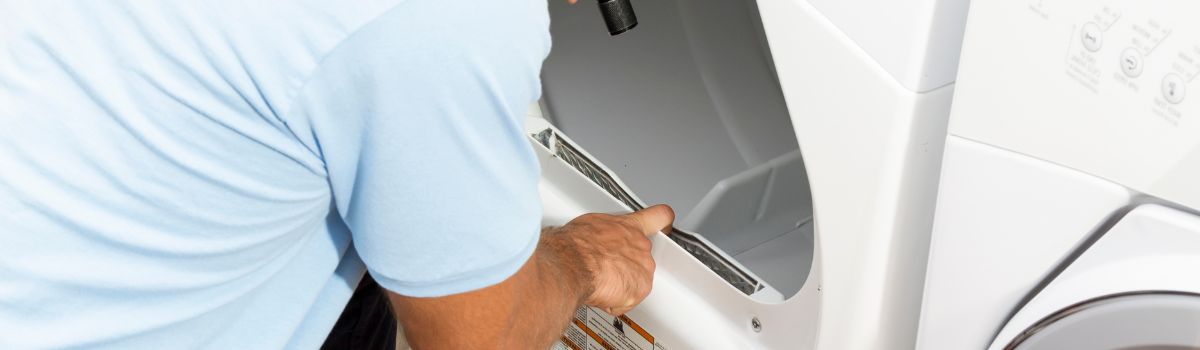
Whirlpool Dryer Cleaning Methods for Richmond Homeowners: Step-by-Step Maintenance Guide
Regular maintenance of your Whirlpool dryer is crucial for both safety and efficiency. Over time, lint buildup and dust can create fire hazards and reduce the dryer’s performance, leading to longer drying times and increased energy consumption. For Richmond homeowners, specific challenges such as high humidity and dust levels can exacerbate these issues, making routine cleaning even more important.
Whirlpool dryers are designed for durability and ease of use, but they still require consistent upkeep to function optimally. Common maintenance needs include cleaning the lint filter, inspecting the vent system, and ensuring that the drum and internal components are free of debris. Incorporating quick dryer fixes into your regular care routine helps extend the life of your dryer and keeps it running safely and efficiently.
Understanding Your Whirlpool Dryer
Key Components Relevant to Cleaning and Maintenance
To properly clean and maintain your Whirlpool dryer, it’s essential to understand its key components. The lint trap is designed to catch lint and debris from your clothes during drying, preventing it from clogging other parts of the dryer. Regular cleaning of this trap is crucial.
The venting ducts and vent tubes carry hot, moist air from the dryer to the outside of your home. Over time, lint can accumulate in these ducts, restricting airflow and reducing efficiency.
The dryer drum and seals also require attention. The drum holds the clothes as they dry, and the seals keep the heat and air contained within the drum. Dirt or lint buildup around the seals can affect drying performance.
Lastly, airflow pathways inside the dryer ensure proper circulation of hot air. Blockages in these pathways can lead to inefficient drying and increased wear on the appliance.
Risks of Neglecting Dryer Maintenance
Neglecting regular maintenance of your Whirlpool dryer can lead to several problems. One of the most serious risks is fire hazards caused by lint buildup. Lint is highly flammable, and if it accumulates in the lint trap, venting ducts, or other parts, it can ignite from the dryer’s heat.
Additionally, a clogged dryer will have increased drying times, leading to higher energy consumption and increased utility bills. Over time, this strain can cause the dryer to overheat, potentially damaging internal components and shortening the appliance’s lifespan.
Regular cleaning and maintenance help prevent these risks, ensuring your dryer runs safely and efficiently.
Step-by-Step Whirlpool Dryer Cleaning Methods
1. Cleaning the Lint Trap
Cleaning the lint trap after every load is essential to maintain your Whirlpool dryer’s efficiency and safety. To remove lint effectively, first, pull out the lint screen from the dryer. Carefully peel off the lint by hand or use your fingers to collect it. For a more thorough clean, use a vacuum attachment or a soft brush to remove lint trapped in the screen mesh or the trap housing.
2. Cleaning the Venting System
Inspecting and Cleaning the Dryer Vent and Ducts
Keeping the dryer venting system free from obstructions and kinks is crucial to prevent fire hazards and ensure proper airflow. To clean, safely disconnect the vent duct from the dryer by loosening the clamps or screws. Use a vent cleaning brush or a vacuum designed for vent cleaning to remove lint and debris from the ductwork thoroughly.
Upgrading Vent Tubes for Safety and Efficiency
For improved safety and airflow, replace plastic or vinyl vent tubes with semi-rigid or rigid metal ducts. Metal ducts resist crushing and reduce the risk of fire. This upgrade enhances dryer performance by allowing better air circulation.
3. Maintaining Proper Air Circulation
Avoid overloading your Whirlpool dryer to ensure efficient drying cycles and extend the appliance’s lifespan. Overloading restricts airflow and causes longer drying times, which can strain the dryer’s components. Additionally, keep the area around your dryer clear of items that could block ventilation openings. Proper air circulation helps maintain optimal dryer function.
4. Cleaning the Dryer Drum and Exterior
Regularly wipe down the dryer drum and exterior with mild cleaners to remove residue and dust. Avoid harsh chemicals that could damage surfaces. Also, check and clean the door seals to prevent lint accumulation, which can affect the dryer’s sealing and efficiency.
Advanced Maintenance Tips for Richmond Homeowners
Seasonal Deep Cleaning
To keep your Whirlpool dryer running efficiently and extend its lifespan, a deep cleaning every 3 to 6 months is recommended. This routine helps prevent the buildup of dust, lint, and mold, which can cause unpleasant odors and potential fire hazards. In Richmond, where humidity levels can be higher, it’s especially important to thoroughly clean the lint trap, exhaust vent, and drum to avoid moisture accumulation that encourages mold growth. Regularly wiping down the interior with a mild cleaning solution and ensuring that vents are free from obstructions will maintain optimal airflow and drying performance.
Professional Inspection and Maintenance
Scheduling professional servicing annually or biannually is advisable for Richmond homeowners. Expert technicians can perform comprehensive vent cleaning, removing lint and debris from areas that are difficult to reach during routine DIY maintenance. This not only improves dryer efficiency but also reduces the risk of fire. Additionally, professional appliance diagnostics can identify early signs of wear or malfunction in heating elements, belts, and sensors, allowing for timely repairs before costly breakdowns occur. Leveraging professional maintenance ensures your Whirlpool dryer operates safely and efficiently throughout Richmond’s varying climate conditions.
Safety Precautions During Dryer Cleaning
When cleaning your Whirlpool dryer, safety should be your top priority to prevent accidents and ensure effective maintenance. First, always disconnect the dryer from its power source before starting any cleaning. This step eliminates the risk of electric shock or the dryer accidentally turning on while you are working.
Next, it is important to wear protective gear when handling lint and dust. Lint can be a respiratory irritant, so wearing a dust mask and gloves helps protect your lungs and skin. This is especially crucial if you have allergies or respiratory conditions.
Lastly, avoid using flammable cleaning agents during the cleaning process. Many common household cleaners contain chemicals that can ignite easily, posing a fire hazard. Instead, opt for non-flammable, dryer-safe cleaning products or simply use mild soap and water where appropriate.
By following these safety precautions, Richmond homeowners can clean their Whirlpool dryers effectively without risking injury or damage.
Troubleshooting Common Whirlpool Dryer Issues Related to Cleanliness
Dryer Not Drying Clothes Efficiently
If your Whirlpool dryer is not drying clothes efficiently, the problem often relates to lint buildup or blocked vents. A clogged lint trap or vent reduces airflow, making the dryer work harder and take longer to dry clothes. Regularly cleaning the lint trap after every load and inspecting the vent hose for obstructions can improve drying performance.
Overheating and Shutting Off
Overheating can occur when lint accumulates inside the dryer drum or vent system, restricting airflow and causing the unit to shut off as a safety measure. To prevent this, clean the lint trap thoroughly and inspect the vent pipe for blockages. Ensuring proper ventilation also helps maintain safe operating temperatures.
Unusual Odors or Smoke
Unusual odors or smoke coming from the dryer often indicate lint buildup or residual fabric softener and detergent residues inside the drum or vent. These can ignite or burn, posing a fire hazard. Clean the lint trap, wipe down the drum, and have the vent professionally cleaned if odors persist.
Excessive Lint Accumulation Outside Lint Trap
If you notice excessive lint outside the lint trap area, it may mean the trap is damaged or not sealing properly. This allows lint to escape and accumulate around the dryer. Check the lint trap for tears or warping and replace it if necessary. Also, clean the surrounding area regularly to prevent lint buildup that can affect dryer performance and safety.
Summary: Best Practices for Richmond Homeowners
To keep your Whirlpool dryer running efficiently and safely, regular maintenance is essential. Start by cleaning the lint trap after every use to prevent buildup, and schedule routine vent cleanings to reduce fire risks and improve drying performance. Whirlpool emphasizes this as a key part of their official maintenance tips.
Ensure that your dryer’s venting system is free from obstructions. Using metal ducts instead of plastic or foil vents is recommended to minimize fire hazards and improve durability. Both Home Warranty of America and Ulmer’s Appliance Service highlight the importance of unobstructed, metal venting systems for optimal dryer function.
Avoid overloading your dryer, as this can restrict airflow and reduce drying efficiency. Maintaining proper airflow helps your dryer operate safely and extends its lifespan. Tucker Appliance Repair and the Whirlpool Owner’s Manual both stress the importance of not overloading and keeping good airflow in your dryer.