
Essential Maintenance Checklist for Commercial Refrigerators in Richmond
Regular maintenance of commercial refrigerators is essential for businesses in Richmond that rely on these units to store perishable goods safely. Consistent upkeep helps ensure that refrigerators operate efficiently, reducing energy consumption and lowering utility costs.
Beyond cost savings, proper maintenance extends the lifespan of commercial refrigerators, protecting your investment and preventing costly repairs or early replacement. It also plays a critical role in maintaining food safety standards by keeping temperatures stable and preventing contamination further supporting efforts to maximize commercial fridge efficiency.
By following a thorough maintenance checklist, businesses can avoid unexpected breakdowns, comply with food safety regulations, and maintain the quality of their stored products.
Understanding Your Commercial Refrigerator
Commercial refrigerators are essential for businesses in Richmond, helping to keep perishable goods fresh and safe. Understanding the types of refrigerators commonly used and their key components can aid in effective maintenance.
Types of Commercial Refrigerators Commonly Used in Richmond Businesses
Richmond businesses often utilize several types of commercial refrigerators, including:
- Reach-in refrigerators: These are upright units with one or more doors, commonly used in restaurants and grocery stores for easy access to ingredients.
- Undercounter refrigerators: Compact units designed to fit beneath counters, ideal for bars and small kitchens.
- Walk-in refrigerators: Large, room-sized refrigerators used by larger establishments for bulk storage.
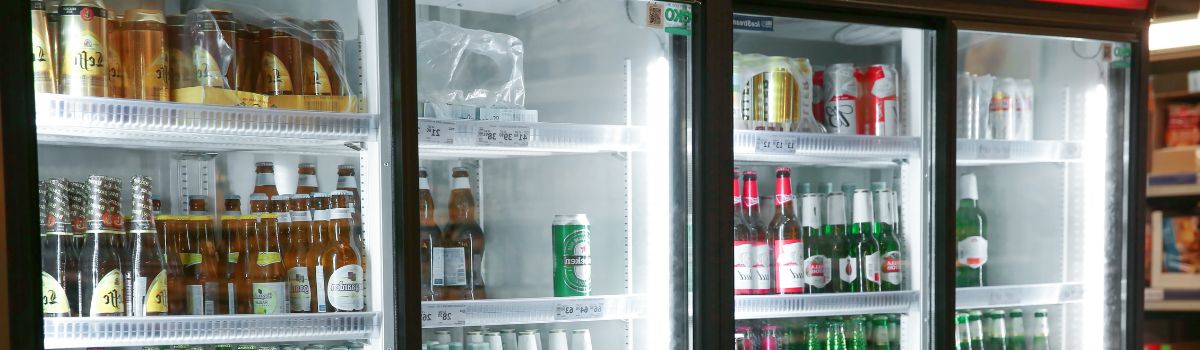
- Display refrigerators: Glass-door units used in retail and convenience stores to showcase products while keeping them cool.
Each type serves a specific purpose but requires regular maintenance to ensure optimal performance.
Key Components Impacting Performance
Maintaining certain components is crucial for the refrigerator’s efficiency and longevity:
Condenser coils: These coils dissipate heat from inside the refrigerator. When dirty or clogged, they reduce cooling efficiency and increase energy consumption. Regular cleaning is essential.
Drain pans: They collect condensation from the evaporator coils. If clogged or full, they can cause water leaks and promote mold growth.
Temperature controls: Accurate temperature settings are vital to keep food safe. Malfunctioning controls can lead to improper cooling, risking spoilage.
By understanding these components and their roles, Richmond business owners can better maintain their commercial refrigerators and avoid costly repairs.
Comprehensive Maintenance Checklist
Cleaning Procedures
Condenser Coils
Cleaning condenser coils is essential to prevent overheating and to maintain the efficiency of commercial refrigerators. Dust and debris can accumulate on the coils, restricting airflow and causing the unit to work harder. It is recommended to clean the condenser coils at least every three months, or more frequently in dusty environments. Use a soft brush or vacuum cleaner designed for coil cleaning. Avoid harsh chemicals; instead, use coil cleaning sprays that are safe for refrigeration systems.
Interior and Exterior Surfaces
Regular cleaning of both interior and exterior surfaces helps prevent mold, mildew, and bacterial growth, ensuring a safe food storage environment. Food contact surfaces should be cleaned daily using warm water and mild, food-safe detergents. External panels can be wiped down with environmentally friendly cleaning solutions, such as vinegar-based sprays or biodegradable cleaners, to maintain appearance without harming the environment.
Drain Pans and Drain Lines
Inspect drain pans regularly to avoid water accumulation that can lead to unpleasant odors and potential water damage. Clear any debris or sludge buildup promptly. Drain lines should be checked and cleared to prevent clogs, which can cause water overflow and system malfunctions. Signs of drain system issues include water pooling under the unit or slow drainage. Address these issues immediately to maintain proper refrigeration function.
Temperature Monitoring and Control
Consistent temperature monitoring is critical for safe food storage and to comply with health regulations. Different types of food require specific temperature ranges; for example, fresh produce generally needs temperatures between 32°F and 40°F, while frozen goods require 0°F or below. Use digital thermometers for accurate readings and consider automated monitoring systems that alert staff to temperature fluctuations. Regular calibration of temperature controls ensures that the readings remain accurate and reliable.
Equipment Inspection and Maintenance
Routine inspection of door seals and gaskets is necessary to maintain airtight seals, preventing cold air loss and energy waste. Check for cracks, tears, or deformities and replace seals as needed. Listen for unusual noises or vibrations, which may indicate mechanical problems needing attention. Lubricate moving parts such as hinges and fan motors regularly to reduce wear and extend the life of components.
Seasonal and Environmental Considerations
In Richmond’s climate, especially during hot summer months, refrigeration units face additional strain. Adjust maintenance routines by increasing the frequency of coil cleaning and inspections during peak heat periods. Prepare units for seasonal temperature fluctuations by checking coolant levels and ensuring fans are functioning properly. To improve energy efficiency and reduce operational costs, consider installing energy-saving features like LED lighting and high-efficiency compressors during peak seasons.
Record Keeping and Professional Servicing
Maintaining a detailed maintenance log is vital for compliance with health standards and aids in troubleshooting issues. Record dates of cleaning, inspections, repairs, and any anomalies. Schedule periodic professional inspections and servicing to catch problems early and preserve warranty coverage. Know when to call a professional; if you notice persistent temperature instability, strange noises, or frequent system cycling, expert repairs are likely needed.
Safety and Compliance
Maintaining safety and compliance is crucial when managing commercial refrigerators in Richmond. Adhering to local health and safety regulations helps prevent accidents, protects food quality, and ensures your business meets legal standards. Richmond has specific guidelines that must be followed to maintain a safe working environment and avoid potential fines or shutdowns.
Handling refrigerants requires particular attention due to their environmental impact and potential health risks. It is important to use proper equipment and techniques when dealing with refrigerants, such as avoiding leaks and ensuring correct disposal. Only certified technicians should handle refrigerants to comply with environmental regulations and reduce hazards.
Employee training plays a vital role in safety and compliance. Staff should be educated on the correct operation and maintenance of commercial refrigerators, including cleaning procedures, temperature monitoring, and identifying warning signs of malfunction. Regular training updates help employees stay informed about new safety protocols and reinforce best practices, minimizing risks associated with improper use or maintenance.
Conclusion
Maintaining commercial refrigerators in Richmond requires consistent attention to several key practices. Regular cleaning of condenser coils prevents overheating and keeps the system running efficiently. It is equally important to inspect and clear drain pans and lines to avoid water buildup that can lead to system failures. Keeping both the interior and exterior surfaces clean helps prevent mold, mildew, and bacterial growth, ensuring a hygienic environment for food storage. Additionally, routinely monitoring temperatures guarantees that food is stored safely and consistently within the required ranges.
By implementing these routine maintenance checks, businesses can ensure their commercial refrigerators operate at peak performance, reduce the risk of costly breakdowns, and maintain food safety standards. Prioritizing these steps will help protect your investment and support smooth operations in your commercial kitchen.