
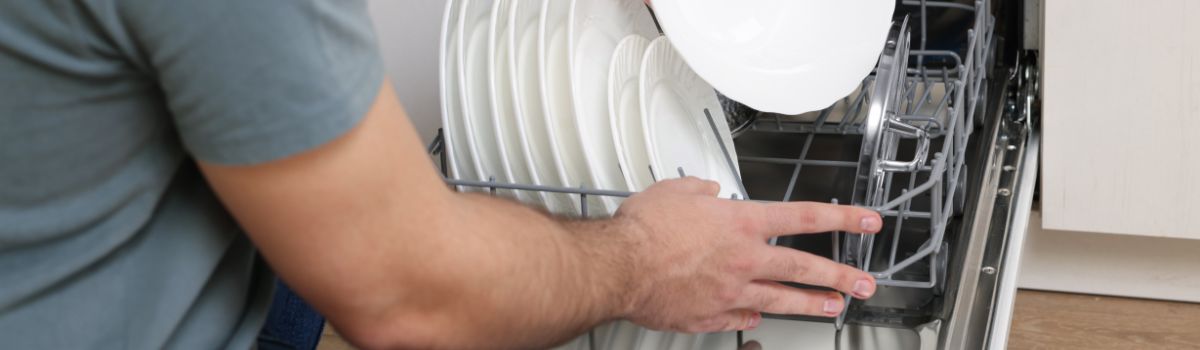
Top Dishwasher Troubles and How to Fix Them (Chilliwack Edition)
Dishwashers have become an essential appliance in modern households, saving time and effort by efficiently cleaning dishes. For many residents of Chilliwack, a reliable dishwasher is a key component of daily kitchen routines.
Understanding common dishwasher issues and their fixes is crucial for Chilliwack homeowners. Local water conditions, usage patterns, and appliance models can influence the types of problems that arise. Being informed helps residents address minor issues promptly, avoid costly repairs, and extend the lifespan of their dishwashers.
This article covers the most frequent dishwasher problems encountered in Chilliwack, explores their underlying causes, and provides practical troubleshooting tips to help users maintain optimal performance. In addition, this DIY dishwasher gasket replacement guide offers step-by-step instructions for homeowners who prefer to handle minor maintenance themselves.
Common Dishwasher Problems
Drying Problems
One frequent issue is when dishes remain wet or have water spots after the cycle ends. This typically results from an inefficient heating element, clogged vents, or problems with the rinse aid dispenser. To fix this, check that the heating element is working properly and clean any vents to ensure good airflow. Always use rinse aid as it helps water sheet off dishes for better drying.
Bad Odors
Unpleasant smells in your dishwasher usually come from trapped food debris, mold, or mildew buildup. Regularly cleaning the filter and wiping down the interior can prevent these odors. Running a cleaning cycle with dishwasher cleaner or a cup of white vinegar can effectively deodorize the unit.
Startup Failures
If the dishwasher doesn’t start or the cycle won’t initiate, the cause could be a faulty door latch, electrical issues, or a malfunctioning control panel. Begin by checking that the door closes securely. Inspect power connections and reset the control panel if possible. If problems persist, a professional diagnosis may be necessary.
Drainage Issues
Water that doesn’t drain fully or remains standing after the cycle often indicates clogged filters, a blocked drain hose, or problems with the garbage disposal connection. Start troubleshooting by cleaning the dishwasher filter. Then inspect and clear the drain hose. Ensure the hose is properly connected to the garbage disposal if applicable.
Leaks and Water Spills
Leaks can come from several sources, including the door gasket, hoses, or spray arms. A worn or damaged door gasket should be replaced. Examine hoses for cracks or loose fittings and tighten or replace them as needed. Spray arms can sometimes crack or become loose, causing leaks during operation.
Noisy Operation
Different noises can indicate various problems: a loud motor might suggest mechanical issues, pump noises can indicate blockages, and spray arm noises might mean they’re hitting dishes or are unbalanced. To reduce noise, ensure all parts are securely attached and free from obstructions. Cleaning the spray arms and checking for debris can also help.
Cleaning and Detergent Problems
If detergent pods don’t dissolve fully, it could be due to low water temperature or blocked detergent compartments. Always use the recommended detergent type and rinse aid for your dishwasher model to optimize cleaning. Avoid overfilling detergent compartments and ensure the water spray can reach the detergent cup during the cycle.
Detailed Troubleshooting and Fixes
Step-by-Step Troubleshooting Guide
When your dishwasher isn’t working properly, a systematic approach to diagnosing the issue can save time and money. Begin by identifying the symptoms: Is the dishwasher not starting, not draining, or leaving dishes dirty? Next, check common problem areas like the power supply, door latch, and filters.
Before you start, gather basic tools such as a screwdriver, multimeter, and towels. Always unplug the dishwasher or switch off the circuit breaker to ensure safety. Wear gloves to protect your hands from sharp edges and dirty water.
DIY Fixes for Common Issues
Many dishwasher problems can be fixed at home with simple steps:
Cleaning Filters and Spray Arms: Remove the bottom rack and take out the filters. Rinse them under running water to clear debris. For spray arms, detach if possible and use a toothpick or small brush to unclog spray holes.
Replacing Door Gaskets and Seals: Over time, door gaskets can crack or wear out, causing leaks. Purchase a replacement gasket specific to your model, remove the old seal, and press the new one firmly into place along the door frame.
Clearing Clogged Drain Hoses: Disconnect the drain hose from the dishwasher and sink drain. Use a long flexible brush or run water through it to remove blockages. Reattach securely to prevent leaks.
Resetting Control Panels: Sometimes control panel glitches can be fixed by resetting. Locate the reset button or unplug the dishwasher for a few minutes, then plug it back in. Consult your manual for model-specific reset instructions.
Maintenance Tips to Prevent Common Dishwasher Problems
Regular Cleaning Routines
To keep your dishwasher running smoothly, regular cleaning is essential. Start by cleaning the filters frequently to prevent food particles from causing clogs. Spray arms should be checked and cleaned to ensure water can flow freely through the holes. Wipe down the interior of the dishwasher to remove any residue or buildup. You can use specialized dishwasher cleaners available on the market or opt for natural remedies like a mixture of vinegar and baking soda to deodorize and remove grime.
Proper Loading Techniques
How you load your dishwasher can significantly impact its performance. Avoid overcrowding dishes to ensure water and detergent reach all surfaces. Place larger items like pots and pans on the sides or bottom rack, and angle plates and bowls so water can easily flow off. Make sure nothing blocks the spray arms from rotating. Proper loading helps prevent clogs and ensures dishes come out clean.
Using the Right Detergents and Additives
Choosing the correct detergent is crucial for effective cleaning and dishwasher longevity. Use detergents specifically designed for dishwashers rather than regular dish soap. Additionally, using a rinse aid improves drying and reduces water spots on dishes. The right combination of detergent and additives helps prevent common issues such as residue buildup and poor cleaning results.
Running Hot Water Before Starting Dishwasher
Running hot water in your sink before starting the dishwasher can improve cleaning efficiency. Hot water ensures the dishwasher starts its cycle with water already at the optimal temperature, which helps dissolve detergent better and clean dishes more effectively. This simple step can prevent food residue and spotting on your dishes, enhancing overall dishwasher performance.
Environmental and Regional Considerations for Chilliwack
Water Quality Impact on Dishwasher Performance
Chilliwack’s water is known to have varying levels of hardness, which can significantly affect dishwasher performance. Hard water contains high concentrations of minerals like calcium and magnesium. These minerals can lead to mineral buildup inside the dishwasher, causing clogged spray arms, reduced water flow, and spots or film on dishes.
To combat these issues, installing a water softener system is a practical solution. Water softeners reduce the mineral content in the water, preventing buildup and prolonging the dishwasher’s lifespan. Additionally, using dishwasher detergents formulated for hard water can help improve cleaning efficiency and reduce residue.
Seasonal Maintenance Tips
Chilliwack experiences wet and cold winters, which require specific dishwasher maintenance to ensure optimal operation. Before winter, it is important to inspect and clean the dishwasher’s filters and spray arms to prevent blockages caused by mineral deposits or debris.
During the rainy season, excess moisture can cause mold or mildew buildup around the dishwasher door seals. Regularly wiping down seals and leaving the door slightly ajar when not in use can help maintain airflow and prevent mold growth.
Taking these seasonal maintenance steps helps keep your dishwasher running smoothly throughout the year in Chilliwack’s unique climate.
Resources and Support in Chilliwack
Local Appliance Repair Services
If your dishwasher needs professional repair, Chilliwack offers several trusted local companies known for quality service and quick turnaround. Some reliable options include:
- Chilliwack Appliance Repair: Specializes in dishwasher repairs with experienced technicians and prompt service.
- Valley Appliance Service: Offers comprehensive appliance repair, including dishwashers, with a focus on customer satisfaction.
- Fraser Valley Appliance Repair: Known for competitive pricing and knowledgeable staff.
These companies typically provide diagnosis, repair, and maintenance services for all major dishwasher brands.
Where to Find Replacement Parts
For replacement parts, you can visit local suppliers or browse online stores that ship to Chilliwack. Local options include:
- Chilliwack Appliance Parts: A local shop that stocks common dishwasher parts like racks, spray arms, and filters.
- Home Hardware Chilliwack: Offers some appliance parts and can order specific items upon request.
Online suppliers often provide a wider selection and quicker access to rare parts. Recommended online stores are:
- RepairClinic.com: Extensive catalog of dishwasher parts with detailed compatibility information.
- PartSelect.com: User-friendly website with parts for most dishwasher brands and models.
Community Tips and Forums
Engaging with the local community can provide valuable insights and practical advice for dishwasher maintenance and troubleshooting. Consider joining:
- Chilliwack Community Facebook Groups: Many residents share their DIY repair experiences and recommend trusted repair services.
- RedFlagDeals Forums: A popular Canadian platform where locals discuss appliance issues and solutions.
These forums and groups are great for asking specific questions, sharing tips, and learning from others’ experiences with dishwasher problems in Chilliwack.
Conclusion
Dishwashers in Chilliwack commonly face issues such as poor cleaning performance, drainage problems, unusual noises, and failure to start. Many of these problems have straightforward fixes like cleaning filters, checking spray arms, unclogging drains, and ensuring proper loading. Regular preventive maintenance, including routine cleaning and inspection, can help avoid many common malfunctions and extend the life of your appliance.
However, for more complex issues like electrical faults, persistent leaks, or mechanical failures, it is advisable to seek professional repair services. Skilled technicians can accurately diagnose and resolve problems that go beyond simple troubleshooting, ensuring your dishwasher operates efficiently and reliably.
By understanding these common dishwasher problems and knowing when to apply DIY fixes or call for professional help, Chilliwack residents can maintain their appliances effectively and enjoy hassle-free dishwashing.