
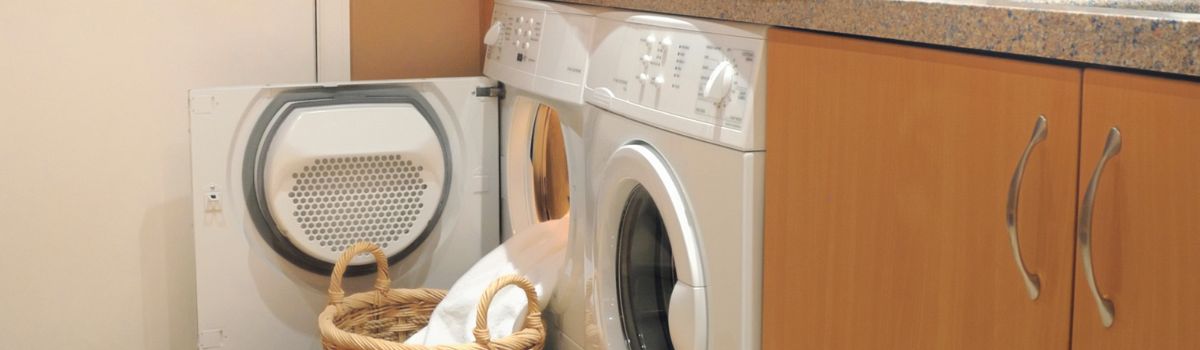
Essential Dryer Electrical Safety Tips for West Vancouver Homes
Dryers are one of the most power-demanding appliances in modern homes. When electrical components begin wearing out, the risks can extend far beyond longer drying times or minor performance issues. Faulty wiring, overheated heating elements, damaged power cords, and restricted airflow can all create serious electrical hazards if ignored.
At ElectraFix BC, we regularly help homeowners across West Vancouver diagnose dryer electrical problems ranging from tripped breakers and overheating to burnt terminal blocks and damaged wiring connections. Many of these problems develop gradually before eventually creating larger appliance failures or household fire risks.
This updated 2026 guide explains how dryer electrical systems work, the warning signs homeowners should never ignore, and the best ways to reduce electrical hazards while extending dryer lifespan.
Electrical safety organizations continue to warn that overloaded circuits, damaged electrical cords, poor ventilation, and failing appliance components can all increase household fire risks when left unresolved.
Why Dryer Electrical Safety Matters
Electric dryers rely on high-voltage electrical systems and heating components capable of generating substantial heat during operation. Even relatively small electrical failures can escalate into overheating conditions, damaged wiring, or electrical fires.
Modern dryers depend on multiple interconnected components working safely together, including the heating element, thermal fuse, terminal block, control board, blower motor, and ventilation system. When one component begins failing, additional strain can spread throughout the appliance.
In many West Vancouver homes, especially older properties with aging electrical infrastructure, we often see dryers operating on circuits that were never originally designed for newer high-efficiency appliances. This can create voltage instability, overheating connections, and premature component wear.
Common Warning Signs of Dryer Electrical Problems
Most dryer electrical problems begin with subtle symptoms that homeowners initially dismiss. Recognizing these warning signs early can often prevent larger appliance failures and reduce fire risks.
Burning Smells During Operation
A burning or melting smell is one of the most serious dryer warning signs. This can occur when wiring overheats, terminal connections loosen, or lint accumulates near heating components.
In many service calls across West Vancouver, we find that homeowners continue operating the dryer for days or weeks after first noticing a faint burning odor. Unfortunately, this often allows the damage to worsen significantly.
If burning smells appear suddenly, the dryer should be stopped immediately until properly inspected.
Dryer Repeatedly Trips the Breaker
Circuit breakers are designed to protect the home from dangerous electrical overloads. If the dryer repeatedly trips the breaker, the issue may involve overloaded circuits, failing heating elements, short circuits, damaged wiring, or internal motor problems.
Repeatedly resetting the breaker without diagnosing the root cause can create additional electrical hazards.
Dryer Cord or Outlet Feels Hot
A dryer power cord or outlet should never become excessively hot during operation. In many cases, this indicates loose electrical connections, damaged terminals, improper installation, or deteriorating wiring.
According to electrical safety guidance from BC Hydro, damaged cords and loose electrical connections should always be addressed quickly to reduce overheating and fire risks.
Flickering Lights When the Dryer Starts
If household lights dim or flicker while the dryer starts, the appliance may be drawing abnormal electrical load. This sometimes points toward overloaded electrical systems, loose dryer connections, failing heating elements, or panel-related electrical issues.
Dryer Stops Mid-Cycle
Many dryers automatically shut down when thermal protection systems detect unsafe operating temperatures. Restricted airflow, overheating motors, clogged dryer vents, or electrical failures can all trigger these shutdowns.
In West Vancouver homes with longer dryer vent runs, restricted airflow is one of the most common overheating contributors we encounter.
What Causes Dryer Electrical Hazards?
Several issues commonly contribute to dryer electrical problems.
Lint Accumulation
Lint buildup remains one of the leading causes of dryer overheating. Restricted airflow traps heat inside the appliance and ventilation system, placing additional strain on electrical components.
Over time, excessive heat can damage heating elements, wiring insulation, thermal fuses, and blower systems.
Improper Dryer Installation
Incorrect dryer installation can create dangerous operating conditions. Loose terminal screws, damaged power cords, poor grounding, and incorrect outlet configurations all increase electrical risk.
Improper dryer hookups can also violate electrical safety standards and contribute to overheating or electrical arcing.
Aging Dryer Components
Repeated heat exposure and vibration gradually wear down electrical dryer components over time. We commonly diagnose deteriorating terminal blocks, weakened relays, failing control boards, and damaged wiring harnesses in older dryer systems.
Poor Ventilation
Blocked or crushed dryer vents force the appliance to operate at higher temperatures for longer periods. This additional heat places extra stress on motors, thermal cut-offs, heating systems, and internal wiring.
Many larger homes in West Vancouver have complex dryer vent routing that requires more frequent maintenance to maintain proper airflow.
Dryer Electrical Problems We Commonly See in West Vancouver Homes
At ElectraFix BC Dryer Repair Services, some of the most common electrical dryer problems we diagnose include burnt terminal blocks, melted power cords, overheating heating elements, electrical arcing near wire connections, failed thermal fuses, and dryers shutting off mid-cycle due to restricted airflow.
We also frequently encounter dryers with severe lint accumulation around internal heating components. In some situations, homeowners are surprised to learn how close the appliance was to developing a major fire hazard.
Older electrical panels and aging household wiring can further contribute to instability when modern high-efficiency dryers are installed without proper circuit evaluation.
How Professional Dryer Electrical Diagnosis Works
Professional dryer electrical inspections usually involve multiple testing stages to safely identify both the visible problem and any underlying causes.
Technicians typically inspect:
- outlet voltage stability
- terminal block condition
- grounding integrity
- heating element resistance
- thermal fuse continuity
- airflow restriction levels
- internal overheating damage
- wire connection safety
Using specialized testing equipment, technicians can also measure amperage draw, evaluate heating system performance, and identify hidden electrical stress before major component failure occurs.
Important Dryer Safety Tips for Homeowners
Reducing dryer electrical risks starts with regular maintenance and safe operating habits.
Cleaning the lint filter after every load remains one of the most effective ways to improve airflow and reduce overheating. Dryer vents should also be inspected and cleaned routinely to prevent lint accumulation inside the duct system.
Homeowners should also avoid overloading the dryer, since heavy loads place additional strain on both the motor and heating system. Burning smells, unusually hot dryer surfaces, or repeated breaker trips should never be ignored.
Electrical safety experts also recommend avoiding damaged power cords and ensuring dryers are connected to properly grounded dedicated outlets.
Signs Your Dryer May Be Overheating
Dryer overheating is one of the most common appliance safety concerns we encounter.
Common warning signs include:
- clothes becoming extremely hot after cycles
- unusually hot dryer surfaces
- burning odors
- extended drying times
- automatic shutdowns
- excessive laundry room heat
You may also notice rising electricity usage as the dryer struggles to compensate for restricted airflow or failing heating components.
Repair vs Replacement: What Makes Sense?
In many situations, electrical dryer problems can be repaired safely without replacing the appliance.
Repairs often make sense when the dryer is under 10 years old, the damage is isolated, and the motor and heating system remain in good condition. However, replacement may be the better long-term option if wiring damage is extensive, multiple major components have failed, or recurring overheating problems continue despite repairs.
Professional diagnosis helps determine whether the appliance can be safely restored or whether replacement is more cost-effective.
Dryer Brands We Commonly Service
We diagnose electrical dryer issues for many major appliance brands, including LG, Samsung, Whirlpool, GE, Bosch, Electrolux, Maytag, Frigidaire, and Kenmore.
Different manufacturers use different heating systems, moisture sensors, control boards, and electrical configurations, which is why accurate diagnosis is important before replacing parts.
Related Dryer Repair & Safety Resources
Homeowners researching dryer electrical safety often also experience overheating problems, dryers shutting off unexpectedly, burning smells, or ventilation-related airflow restrictions.
Additional West Vancouver dryer resources:
- Maytag Dryer Overheating Safety in West Vancouver
- West Vancouver Dryer Vent Cleaning & Airflow Guide
- The Role of Fuses and Thermal Cut-Offs in Dryer Safety
Frequently Asked Questions
Why does my dryer smell like burning?
Common causes include lint buildup, overheating heating elements, damaged wiring, failing motors, or loose electrical connections.
Can a dryer start a fire?
Yes. Lint accumulation, overheating components, electrical failures, and restricted airflow can all increase household fire risks.
Why does my dryer keep tripping the breaker?
This may indicate overloaded circuits, short circuits, heating element failures, damaged wiring, or motor-related electrical strain.
Is it safe to use an extension cord with a dryer?
No. Dryers should always be connected directly to properly rated dedicated outlets.
How often should dryer vents be cleaned?
Most homes benefit from annual dryer vent cleaning, although larger households and long vent systems may require more frequent service.
Dryer Electrical Safety Services in West Vancouver BC
Dryer electrical problems rarely improve on their own. Addressing overheating, airflow restrictions, and electrical failures early can often prevent more expensive appliance damage while reducing household safety risks.
At ElectraFix BC, we help homeowners across West Vancouver diagnose dryer electrical hazards, overheating problems, damaged components, and ventilation-related safety concerns before they become more serious.