
Performance Hacks for DIY Washer Tweaks
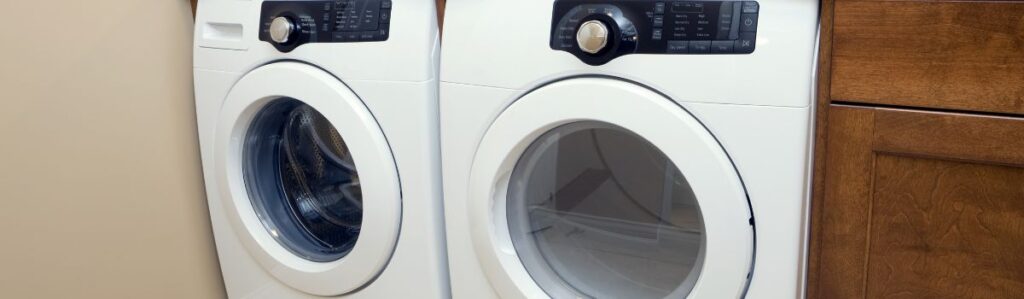
Boost Your Washer’s Power with These Simple DIY Fixes
First off, you don’t need a NASA-engineered appliance to get great laundry results. But you do need baseline performance. A washer that pulls its weight should clean clothes in one go, no weird smells, no “still kinda dirty” patches. That’s square one.
Next, spin speed matters. Your washer should spin hard enough to leave your clothes damp, not dripping. If you have to wring out shirts after a cycle, something’s off. Good spin performance means less dryer time, less energy use, and yeah, less frustration. Setting up a voltage stabilizer can protect the motor during high-speed spins.
Noise and vibration? Keep them to a minimum. Washers rattle loudest either when they’re on uneven floors or when something’s going wrong internally. A well-performing washer should fade into the background, not shake the entire room every time it goes into spin.
Efficiency is a non-negotiable today. A good washer shouldn’t guzzle gallons of water or drive your power bill up. Look for cycles that do the job without dragging on for two hours, and settings that adjust to load size. You want brilliant performance, not brute force.
Finally, there’s the soap situation. Decent washers rinse clean, period. If you find detergent residue on your clothes or inside the drum, your washer isn’t performing as it should. Leftover suds mean poor rinsing, possible skin irritation, and a machine that’sn’t running correctly.
Clear the Laundry Room Clutter
A washer doesn’t need a throne room, but it does need space to breathe. Don’t wedge it into a tight corner. Leave a few inches around the machine to let heat and moisture escape especially behind it. That airflow helps prevent overheating and mold.
Front-loaders in particular need regular door gasket attention. That rubber seal around the opening? It’s a mold magnet. Wipe it dry after each use and give it a deeper clean weekly. Neglect it and your “clean” laundry will smell like a swamp.
Keep loads reasonable. Packing the drum full doesn’t save time it wrecks the motor, messes with the spin cycle, and leaves clothes half-clean. You wouldn’t cram your blender to the top and expect it to work. Same logic.
And don’t store random stuff on top. Detergent bottles, baskets, and folded towels during a high-speed spin all become shifty luggage. The extra weight and rattling can mess up the balance and cause noise or even damage.
Keep the washer’s space simple, open, and clear. The less chaos around it, the better it runs.
Keep It Clean
You wouldn’t cook every day in a pan and never wash it same logic applies to your washer. All that grime, detergent, and fabric fuzz builds up fast. If you want top performance, keep the machine that cleans things… clean.
Run a monthly cleaning cycle. No fancy washer cleaner required just hot water, a cup of vinegar in the detergent tray, and half a cup of baking soda directly in the drum. Set it to the hottest, longest cycle. Let chemistry do its thing.
Don’t forget the detergent drawer. It’s a sneaky mold trap. Slide it out (most just pull or click out), rinse it under hot water, and scrub if needed. If it looks like a science experiment, you waited too long.
Front-loader users: wipe the door seal and inner drum lip after every load. Trapped moisture = stinky mold = your clean clothes already smell bad before hitting the dryer. Two seconds with a rag beats buying a new gasket.
And yeah, your washer has a filter usually at the bottom front behind a little panel. Pop it open (check your manual if the design varies), catch the water with a shallow pan, and clear out the junk: lint, bobby pins, and one random button. It’s gross but satisfying.
Clean washer, cleaner clothes. It’s not high maintenance. You just need to stay ahead of the funk.
Tweak Water Temp and Load Settings
Dialling in the right water temp and cycle setting sounds boring, but it’s what separates clean clothes from “I guess this is fine.” Most washers have plenty of built-in options, but they’re not magic. You still need to tell them what kind of mess they’re dealing with.
Start with water temp. Warm or hot water is your friend for whites, towels, and sweaty workout gear. It lifts oil, detergent, and gunk better. But don’t run your whole life on hot it fades colors and costs more energy. Cold water saves money and works fine for lightly soiled clothes, but only if you’re using a detergent made for cold cycles. Otherwise, it’s just a rinse with wishful thinking.
Next, spin speed. High-spin settings suck more water out, big win if you want dryer loads to finish faster. Just be aware that delicates or loosely stitched fabrics don’t love 1,200 RPMs. Know your laundry. And when you’re washing big items like blankets or that sad guest room comforter you forgot existed, switch to “bulky” or “heavy duty.” It’s not just marketing it adjusts drum timing and water levels for heavier stuff.
Level Your Machine
Balancing your washer isn’t just about noise, though the racket from an unlevel machine is brutal, it’s about longevity. A wobbly washer puts stress on internal components, especially bearings and the suspension system. Over time, that wear shows up in the form of louder spins, inefficient cycles, or worse, premature failure.
Grab a standard bubble level (or your phone with a levelling app), and place it across the top of the washer in both directions. Any tilt? Adjust the front legs by hand or with a wrench; most machines make this pretty simple. Rear legs are often self-levelling, but double-check the manual just in case.
Once your washer is flat, run a spin cycle and watch it. If it still walks or vibrates too much, try placing anti-vibration pads or rubber furniture cups under the feet. They make a big difference, especially on hard floors. Don’t be surprised if just fixing the balance makes your washer sound newer and wash better.
Use the Right Detergent – and The Right Amount
Here’s the deal: your washer doesn’t need more detergent to clean better, it needs the right kind, used the right way. If you’ve got a high-efficiency (HE) washer, it’s not a suggestion to use HE detergent it’s a rule. Regular detergent doesn’t rinse well in low water, which means gunk buildup in the drum, the hose, the filter… everywhere.
Even with HE detergent, most folks go overboard. More suds do not mean cleaner. Too much can leave residue on clothes and inside the machine. It messes with sensors, increases rinse cycles, and ironically, makes your washer worse at, well, washing.
Measure your detergent. Seriously use the cap or a measuring cup. Yeah, we know, it makes you feel like a control freak. But if you’re just eyeballing every load, you’re probably wasting soap and slowly killing your washer’s guts.
Upgrade or Replace Simple Parts
If your washer’s been rattling like a subway car or leaving puddles where it shouldn’t, don’t rush to replace the entire machine. Swapping out a few key parts can go a long way in restoring performance without punching your wallet. First up: inlet hoses. If yours are rubber and more than five years old, it’s time. They dry out, crack, and leak sometimes catastrophically. Go with stainless steel braided hoses and you’ll sleep better knowing they’re built to last.
Next, sniff the door gasket. Seriously. If it smells like a compost bin, it’s harbouring mould. You can clean it, but if the smell sticks or it’s leaking, replace it. Gasket kits are easy to find online, and with a little YouTube guidance and a Phillips screwdriver, it’s a solid weekend warrior job.
Hearing banging during spin cycles? Could be worn suspension rods (in top-loaders) or bad dampers (in front-loaders). These parts stabilize the drum. Replacing them doesn’t require mechanical genius, just some time, patience, and maybe a sore back. Bonus: the quiet spin afterward is worth every minute spent under the machine.
Drainage Matters More Than You Think
You can have the fanciest washer settings in the world, but if it isn’t draining right, it’s all downhill. First thing to check: the drain hose. It should form a smooth arc from the washer to the drain pipe. No kinks. No bends mashed against the wall. And height matters: too low and water siphons out while filling, too high and your washer has to work like it’s pumping water up a mountain. Aim for hose height between 30 and 96 inches above the floor (check your model’s manual to be sure).
If your machine finishes a cycle but your clothes are still soggy, odds are something’s clogging the drain system. Most front-loaders and newer top-loaders have a drain pump trap or screen near the bottom front, usually behind a small access panel. Pop it open (have a towel or shallow pan ready; it’ll spill). Clear out lint, coins, sock fuzz, and crayon ends you’ll be amazed what fits through those gaps.
A washer that struggles to drain doesn’t just mess with spin speeds it wears down the pump and keeps your laundry wetter longer, which means more dryer time and energy wasted. Clean the drain path, and your washer (and clothes) will thank you.
Add Insulation or Damping
If your washer sounds like a rocket lift-off during spin cycles, it might be time to bring the volume down without shelling out for a new machine. Start simple: stick vibration-reducing foam tape along the lid or door frame. It’s cheap, easy to cut to size, and helps soften that metal-on-metal chatter.
Next level: sound-dampening mats or rubber anti-vibration pads underneath the washer. They absorb movement and reduce noise transfer through the floor. If your laundry setup is near bedrooms, thin walls, or shared spaces, this tweak earns its keep fast.
And if your machine’s in a closet or tucked under a counter, slap acoustic foam panels on the surrounding walls. Doesn’t need to be pretty, just enough to knock the edge off the decibels.
No need for a full tool belt here. Most of this stuff sticks with adhesive and makes a bigger difference than you’d think. Quiet machine = less stress, day or night.
Smart Upgrades Without Buying a New Washer
You don’t need to drop a thousand bucks on a brand-new washer to get smarter laundry. A few low-cost gadgets can bring big convenience with zero wrench-turning.
Start simple: a smart plug or Wi-Fi-enabled switch lets you control your washer remotely or get alerts when a cycle finishes. That’s a game-changer if your laundry room’s in the basement (or you tend to forget clothes in the drum for… let’s say “a while”).
For even more control, try a mechanical timer plug. It’s old-school, but cheap and useful. Want to stop a cycle before the final spin to avoid wrinkles? Just set the timer and kill the power mid-cycle. Works great for delicates or saving dryer time.
Finally, add a mini surge protector. Modern washers have circuit boards that won’t survive a big power spike. One nasty thunderstorm or flicker from the grid, and you could be staring down a repair bill that’s more than the washer’s worth. A twenty-dollar protector now saves you from that headache.
Smarter, not newer, that’s the play here.
Done Right, It Lasts Longer
Some washer wear and tear isn’t avoidable but most of it is. Once you’ve cleaned, cleared, and tweaked, the final step is keeping your washer alive longer than a Gold Rush mule. Start by drying out the drum after each load. Even stainless steel holds moisture, and trapped humidity is a mold party waiting to happen. Just leave the door or lid cracked open for an hour or two. You don’t need a fan airflow does the job.
Also: don’t let your washer eat spare change. Empty your pockets every time. Coins, bobby pins, and screws aren’t just noisy they can punch holes in the drum or shred the pump. That “clicking” sound mid-spin? It’s the sound of your repair bill growing.
Pausing mid-cycle? Do it right. Use the machine’s pause button if it has one. Unplugging mid-load can throw off the electronics or trap water where it doesn’t belong, especially on fancier models with sensors.
Treat your washer like a tool, not furniture. Keep it dry, don’t feed it junk, and respect its cycle logic. It’ll return the favor with years of clean clothes and minimal drama.
Keep a Basic Maintenance Calendar
You don’t need a master’s degree in mechanical engineering to keep your washer in top shape just a calendar and a few reminders. Stick to the basics and you’ll dodge most of the expensive problems before they start.
Monthly
Once a month, take ten minutes and knock out the core stuff. Run a hot wash with vinegar and baking soda to flush gunk out of the drum. Wipe down the door seals so they don’t turn into a nasty science experiment. Peek around for any slow leaks or mystery puddles on the floor those little signs turn into big repairs if ignored.
Every 6 Months
Twice a year, do a quick hose inspection. Look for cracks, bulges, or any sign your old rubber lines are thinking about bursting. Catching this early saves you from a surprise flood and a ruined floor.
Once a Year
Deep breath. Once a year, give the whole thing a full check-up. Re-check if it’s level of machines settle over time, especially on old flooring. Deep clean the detergent drawer and run a longer sanitation cycle. Pull the front panel (if your model allows) and clean the filter or drain pump trap it’s weird in there, but worth it.
Set reminders in your phone, put a sticky note on the washer, whatever works. Maintenance isn’t sexy, but neither is hauling wet laundry out of a dead machine.
Wrap Up
Washer performance isn’t rocket science, it’s maintenance. Regular, low-effort habits beat expensive repairs every time. Clean the parts you forget exist, level it once a year, and don’t dump random soap in because you’re in a rush. Most of the tips in this guide cost next to nothing and just ask for a bit of consistency.
Remember: your washer’s a tool, not a magic box. Treat it like one. Give it space, keep it balanced, and use it how it’s meant to be used. The payoff? Clothes come out cleaner. It runs quieter. It lasts years longer.
Do a little. Gain a lot. That’s the tweak mindset.