
Top 10 Oven Cleaning Methods (With Natural Solutions)
Sparkling Clean: Top 10 Oven Cleaning Methods Using Natural Solutions
Nobody enjoys cleaning their oven, but letting baked-on gunk pile up isn’t doing you or your food any favours. A clean oven heats more evenly, uses less energy, and won’t transfer weird burnt flavours to your next batch of cookies. More importantly, it helps reduce fire hazards from crusty grease buildup – which can also be one of the signs oven needs servicing.
The good news? You don’t need a hazmat suit or eye-watering chemicals to get the job done. Natural methods, such as baking soda, lemon, and vinegar, not only clean just as well but are also safer for kids, pets, and the air you breathe. Additionally, chances are that you already have most of this equipment in your kitchen. Let’s dig in.
1. Baking Soda and Water Paste
If you only try one natural oven cleaner, make it this one. Baking soda is gritty enough to lift grime but gentle on surfaces, meaning no harsh chemicals or scratches.
Why It Works
- Abrasive but gentle: Scrubs away baked-on residue without damaging oven surfaces.
- Non-toxic: No harmful fumes or residue left behind.
- Cheap and accessible: You likely already have it in your pantry.
How to Make It
Mix:
- ½ cup of baking soda
- A few tablespoons of water
You’re aiming for:
- A thick, spreadable paste
- Not too runny, not too dry
(No need to perfectly measure the “eyeball method” works great.)
Application Steps
- Cool down the oven before applying.
- Spread the paste generously over: Greasy interior walls, Baked-on gunk and Oven door (optional)
- Leave it overnight to let the baking soda break down residues.
Clean-Up
- Wipe down with a damp sponge or cloth the next day.
- For tougher spots, use a plastic spatula or scraper.
- Repeat if necessary for a sparkling finish.
Result:
No streaks, no toxic fumes, and no mystery chemicals near your food. Just a clean oven and a clean conscience.
2. White Vinegar Spray
This is your clean-up crew after the baking soda’s done its job. White vinegar reacts with any leftover baking soda residue, fizzing it up and loosening the grime even more. Pour straight white vinegar into a spray bottle no need to dilute and spray it across the surface, especially anywhere that still looks dusty or film-covered. Let it sit for a few minutes, then wipe it all away with a damp cloth. You’ll get a nice, streak-free shine and a neutral, fresh smell.
If you’re dealing with just some light staining or want a quick refresh in between cleanings, the vinegar spray works well on its own too. Just spray, wait a few minutes, and wipe. It’s simple, natural, and doesn’t coat your oven in mystery chemicals.
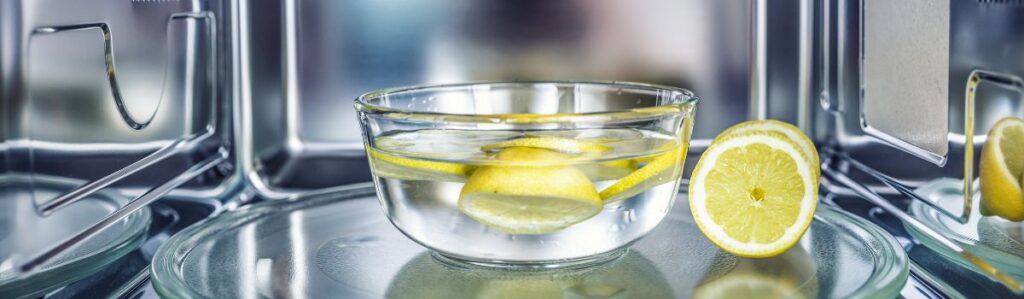
3. Lemon and Water Steam
Simple, effective, and it even smells decent. Slice two lemons doesn’t need to be pretty and toss them in an oven-safe baking dish filled with about two inches of water. Place the dish on the middle rack and heat the oven to 250°F (120°C). Let it ride for 30 minutes.
As the water steams, it tackles baked-on gunk and softens it up. The acidity in the lemon adds a little extra punch to the steam and helps cut grease. When time’s up, let the oven cool slightly, then wipe down the inside with a damp cloth or sponge. Most of the grime should come off without a fight. Bonus: your oven will smell like a citrus grove instead of last month’s burnt pizza.
4. Salt and Baking Soda Scrub
When you’re dealing with burnt-on food or dark patches that won’t budge, this combo pulls its weight without scratching up your oven. Mix equal parts salt and baking soda no need to be precious, just eyeball it in a bowl. Add a little water until it turns into a gritty paste.
Apply directly to those trouble spots with a damp sponge or cloth. The salt brings the abrasion; the baking soda softens and lifts grime. Think of it as natural sandpaper that won’t wreck your oven’s finish. Rub it in with some pressure, but don’t go overboard. Once the gunk loosens, wipe it clean with a warm, damp rag. Done and dusted.
5. Dish Soap and Hot Water Soak
Not everything in your oven needs heavy scrubbing especially the racks. If your oven racks are caked in grease but still removable, this method is as old-school and effective as it gets.
First, find a spot to soak. A large sink works, but a bathtub lined with a towel (to avoid scratching) does the job too. Fill it with hot water not lukewarm, hot and add a generous squirt of grease-fighting dish soap. Think more than you’d use for a load of dishes, less than a bubble bath.
Let the racks soak for at least a few hours, overnight if possible. This gives the hot, soapy water time to break down grease and grime.
After soaking, grab a sponge or stiff-bristled brush and give the racks a solid once-over. Most gunk should wipe off without a fight. Rinse with clean water, dry well, and return to your oven.
It’s a humble method, but that’s why it works no gimmicks, just hot water and the right kind of soap. Keep it simple.
6. Boiling Water Steam
Sometimes, simple works best. If your oven’s just a little grimy or you’re looking for a quick pre-clean boiling water steam can do the trick.
Grab an oven-safe bowl or pan, fill it with a couple of cups of water, and preheat the oven to 450°F. Carefully place the dish inside and shut the door. Let it steam for about 20 minutes. The heat creates vapor that softens baked-on grease and loosens food gunk clinging to the walls and floor of the oven.
After it’s steamed, turn the oven off and let it cool just enough to handle. Then, wipe everything down with a clean microfiber cloth. Don’t skip the corners or the ceiling, they trap plenty of grime.
It won’t replace a paste scrub for serious messes, but for light build-up or as a first step before more elbow grease, this steam method keeps things easy and chemical-free.
7. Hydrogen Peroxide and Baking Soda
When regular elbow grease isn’t cutting it, break out the big guns: hydrogen peroxide and baking soda. This combo is your go-to when your oven looks like it survived a grease explosion.
Why It Works
- Hydrogen peroxide breaks down tough grime and acts as a mild disinfectant.
- Baking soda is mildly abrasive and helps lift baked-on food residues.
Together, they form a powerful yet non-toxic cleaning agent that’s safe for use around food and pets.
How to Use It
Mix the paste
- Combine a few tablespoons of baking soda with enough hydrogen peroxide to form a thick, spreadable paste.
- You’re aiming for a texture that’s not too runny but not as thick as concrete.
Apply to problem areas
- Use a spoon or an old brush to apply the paste directly onto stained or baked-on spots.
- No need to coat the entire oven unless you’re doing a full clean.
Let it sit
- For light messes: 30 minutes to 1 hour.
- For heavy buildup: leave it on for a couple of hours.
Scrub and rinse
- Use a non-abrasive sponge or scouring pad to scrub the surface.
- Wipe thoroughly with a damp cloth to remove all residue.
8. Cornstarch and Vinegar Paste
Sticky spills and baked-on sugar can feel like cement in your oven. Enter cornstarch and vinegar, a simple combo that turns into a thick paste, great for clinging to messes that won’t budge with a wipe.
Mix white vinegar with cornstarch slowly until you get a glue-like consistency thick but still spreadable. Use a spoon or your fingers (gloves are a good call here) to apply the paste directly onto the mess. Let it sit for at least 20 – 30 minutes. For tougher spots, give it an hour go read a book or scroll weather apps like the rest of us.
Once the paste has dried a bit and done its thing, wipe it away with a damp cloth. The cornstarch acts as a soft abrasive; it grabs onto the grime, and the vinegar helps break it down. No chemical fumes. No elbow-burning scrubbing. Just clean(er) oven walls, naturally.
9. Natural Enzyme Cleaners
Not all messes need elbow grease and grit. For those times when burnt-on grease seems fused to the oven walls, natural enzyme cleaners step in like quiet pros. These products offer an effective, low-effort alternative to abrasive scrubbing and harsh chemicals.
Why Choose Enzyme Cleaners?
Natural enzyme cleaners are:
- Plant-based and non-toxic
- Designed to break down organic material such as fat, grease, and food residue
- Free from harsh chemicals and toxic fumes
- Safe for homes with children or pets
They provide an eco-friendly option that’s both gentle and powerful.
How to Use
Application is straightforward:
- Spray directly onto the affected area (ensure the surface is cool and dry).
- Wait and let the enzymes break down the grime: Around 30 minutes to 1 hour for light messes and Overnight for stubborn, baked-on spills
- Wipe clean with a warm, damp cloth no heavy scrubbing required!
Where to Find Them
You can easily find natural enzyme cleaners:
- In the eco-friendly or green cleaning section of most stores
- Online, often labeled with keywords like: “Bio-enzymatic”, “Plant-based” and “Pet-safe”
10. Used Coffee Grounds for Scrubbing
Don’t toss your morning grounds just yet. Used coffee grounds can double as a natural, effective scrubbing agent for your oven.
Why It Works
That gritty, coarse texture makes them great for:
- General grime
- Baked-on food residue
- Light grease build-up
Note: While effective, coffee grounds are not strong enough to tackle thick, carbonized buildup.
How to Use It
- Grab a handful of damp (not soaking) used coffee grounds.
- Apply directly to problem spots focus on crusted or greasy areas.
- Scrub in circles using a cloth or sponge.
- Wipe thoroughly with a damp cloth afterward.
Tips & Warnings
- Staining Alert: Coffee can stain light enamel if left on too long.
- Double Duty: Coffee grounds don’t just scrub they neutralize odors too.
This method is perfect for those who like to keep things simple and caffeinated.
Wrap-Up
The best oven cleaning method is the one you’ll use. If your oven’s just a little grubby, lemon steam or a vinegar spritz could be all it takes. If it looks like something exploded and time-travelled, break out the baking soda paste or enzyme cleaner. The key is staying ahead of the grime, wiping up spills sooner rather than later, and doing a light clean every few weeks. That way, deep cleans don’t become a full-on battle. Plus, with natural stuff like vinegar, lemon, and coffee grounds, you’re not filling your kitchen with toxic fumes. Keep it simple, stay consistent, and you won’t dread opening that oven door.