
Troubleshooting Refrigerator Humidity-Control Drawer Issues
Simple Guide to Upgrading Your Smart Dryer Firmware
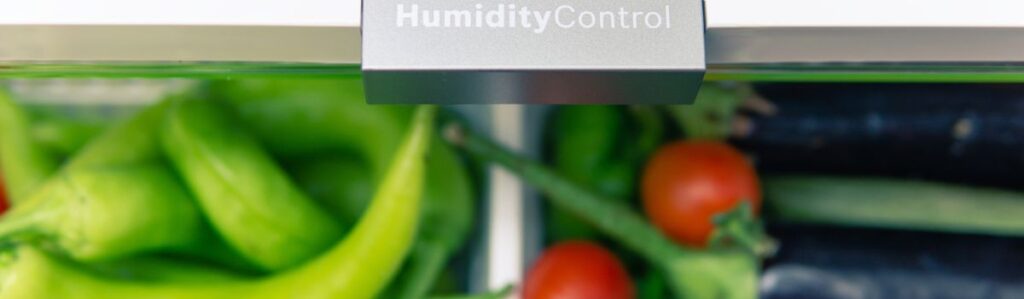
Humidity-control drawers may seem like a small feature tucked away at the bottom of your fridge. Still, they play a surprisingly significant role in determining how long your fresh produce lasts. If you’ve ever pulled out soggy spinach, wilted lettuce, or apples that went soft too soon, there’s a good chance your humidity settings weren’t quite right or your drawer needs a little maintenance. These drawers are also part of essential performance hacks for fridge to last longer, especially when it comes to preserving food quality and reducing waste.
This guide is here to help BC homeowners understand exactly how these drawers work, what each setting does, why your food might be suffering, and how to fix common problems without needing to call a technician (unless you need one). Let’s get into it.
Understanding Humidity-Control Drawers: What They Do and Why They Matter
Humidity-control drawers, also known as crisper drawers, are designed to give you more control over the environment in which your produce is stored. The goal is simple: keep your fruits and vegetables fresh for as long as possible. However, the way these drawers accomplish that is quite clever.
Each drawer has a small vent controlled by a slider. When you slide it closed, the drawer traps moisture inside, creating a high-humidity environment. When you open the vent, it allows airflow, which lowers humidity and helps moisture escape. That difference in air circulation is what enables you to store various types of produce properly.
Some foods, such as leafy greens, require a lot of moisture to stay crisp. Others, such as apples or melons, produce ethylene gas, a natural compound that accelerates ripening. If that gas builds up too much in a sealed environment, it can cause other produce to spoil faster. That’s why it’s important to know which setting to use and when.
Think of the humidity drawer as a little climate zone in your fridge. Get the setting right, and your groceries will thank you.
High vs. Low Humidity: Which Setting Should You Use?
The key to using these drawers effectively is understanding how different types of produce react to moisture and air exposure.
High humidity, or closing the vent, is best for produce that loses moisture quickly. Leafy greens, such as spinach, lettuce, and herbs, tend to wilt when the air is too dry. Trapping moisture around them helps keep them crisp and vibrant longer.
Low humidity, on the other hand, is a better choice for fruits and vegetables that produce ethylene gas. Apples, avocados, pears, and most melons fall into this category. Letting that gas and extra moisture escape slows down over-ripening and helps prevent spoilage.
As a general rule, use the high humidity setting for anything that wilts and the low humidity setting for anything that ripens and softens over time.
It’s also a good idea to dedicate one drawer to each setting. That way, you can group your produce more strategically and avoid accidental spoilage.
Most Common Humidity Drawer Issues (and What Causes Them)
Even if you’re using your humidity drawers properly, issues can still pop up. Fortunately, most of them have simple explanations and just as simple solutions.
Drawer Freezing Food
If you pull out your lettuce and it’s frozen solid, something’s not right. This usually means your fridge is set too cold, especially if the drawer is near the cold air outlet. Another possibility is that the humidity setting is too low, allowing too much cold air into the drawer. Low airflow and poor circulation can cause temperatures to drop lower than expected, freezing the contents even if the rest of the fridge is fine.
Drawer Not Sliding Smoothly
A drawer that sticks, skips, or falls off its track can make daily use frustrating. A warped bin typically causes this due to overloading, the buildup of food debris in the rails, or a misaligned drawer that was not reinstalled properly. Sometimes, the problem is as simple as the fridge not being level, which affects how drawers move on their tracks.
Water Buildup or Condensation
If you notice a puddle at the bottom of the drawer or moisture collecting on the inside walls, the humidity might be too high. It could also mean that the vent is blocked or the fridge door seal isn’t doing its job, allowing warm air to enter and condense. Overfilling the drawer is another common culprit. Too much produce packed too tightly doesn’t leave room for proper airflow.
Humidity Control Slider Not Working
When the slider won’t move or doesn’t seem to make any difference, it could be jammed with food crumbs or packaging. In some cases, the internal components of the slider or vent mechanism might be cracked or broken. This often happens over time with heavy use or after rough drawer removal.
Step-by-Step Guide: How to Fix a Humidity-Control Drawer Problem
Here’s how to tackle the most common drawer problems safely and easily. No tools or technical knowledge are needed.
- Empty the drawer completely. Take everything out so you can see what you’re working with. It also makes cleaning much easier.
- Remove the drawer. Most drawers lift out with a simple pull and tilt motion. If it resists, don’t force it. Check your fridge’s manual for proper removal instructions.
- Wash the drawer. Use warm water and mild soap. Rinse thoroughly and let it dry fully before reinserting it.
- Clean the drawer tracks and slider area. Look for gunk, spills, or food bits that could block the rails or vent mechanism. A damp cloth or soft brush works well for this purpose.
- Inspect the slider. Move it back and forth to make sure it’s functioning correctly. If it sticks, clean around it carefully. If it’s broken, replacement parts are usually available.
- Reinstall the drawer. Align it properly with the rails and gently push it back into place without forcing it. Make sure it glides in and out smoothly.
- Adjust your fridge temperature. Aim for a consistent internal temperature between 3 °C and 5°C (or 37°F and 41°F). If it’s colder, you risk freezing your food even in the crisper.
- Monitor for changes. After 24 hours, check to see if the issue has improved. If not, repeat the steps or proceed with more targeted troubleshooting.
Maintenance Tips to Prevent Drawer Issues
Keeping your humidity drawers in good shape doesn’t require a lot of effort, but it does require consistency. Here are some simple habits that can help extend their life and performance:
- Clean the drawers regularly. A quick wash every couple of weeks helps prevent buildup and keeps odours in check.
- Don’t overload the drawers. Too much weight or overcrowding can cause warping, stress on the rails, or airflow issues.
- Keep an eye on your fridge’s levelling. A fridge that isn’t level can cause drawers to misalign or slide improperly.
- Test the slider monthly. Move it back and forth to ensure it isn’t stuck. Debris can build up in the vent system without you realizing it.
- Replace damaged parts early. If the slider is loose or the drawer is cracked, don’t wait for it to break completely; address the issue immediately. Replacements are often affordable and easy to install.
By taking just a few minutes every month to clean and inspect your drawers, you can prevent most of the problems that lead to spoiled produce or frustrating repairs.
FAQs About Crisper Drawer Troubleshooting
Why is my drawer freezing my vegetables?
Your fridge temperature is likely too low, or the drawer is set to a low humidity level, allowing too much cold air to accumulate. Adjust both and monitor for a day or two.
Can I just use one setting for everything?
While you can, it’s not ideal. Leafy greens and fruits have different storage needs. Separating them into two drawers with the correct settings will help keep everything fresher for a longer period.
What if the slider won’t move?
Start by cleaning the area around the slider. If it still won’t budge, it might be broken internally and need replacement.
Do all refrigerators have humidity-controlled drawers?
Most modern fridges do, but some older or budget models might have basic bins without adjustable settings.
Will changing the fridge temperature solve drawer problems?
Temperature helps, especially for freezing issues, but it won’t solve humidity-related problems on its own. You need to use both tools, the temp control and the humidity slider, together.
Final Thoughts: Keep Your Crisper Working Like New
Your refrigerator’s humidity drawers are more than just storage bins; they’re small but powerful tools that help you preserve the quality of your food and reduce waste. By understanding how they work, knowing which settings to use, and keeping them clean and maintained, you’ll not only extend the life of your produce but also make your entire fridge more efficient.
Take the time to adjust them properly, clean them regularly, and troubleshoot any issues early. Most drawer problems can be solved with a little DIY effort, but if things get tricky, you know where to turn.