
How Long Do Dishwasher Drain Systems Last?
Why Drain System Lifespan Matters
When you think of your dishwasher, you probably picture sparkling dishes, efficient cleaning cycles, and saved time after family dinners. But what you might not realize is that one of the most important parts of this appliance is something you rarely see the drain system. This behind-the-scenes network of hoses, pumps, and valves works silently to remove dirty water after each wash. Without it, your dishwasher simply can’t function. That’s why following a regular dishwasher tune up guide can help keep everything running smoothly.
Over time, this system can wear out, often without much warning. That’s when you may start noticing water pooling at the bottom of your machine, strange noises during the drain cycle, or unpleasant odours coming from the tub. These are more than minor inconveniences they’re signs that parts of your dishwasher’s drain system could be reaching the end of their lifespan.
For homeowners in British Columbia, staying informed about how long each component is expected to last and what you can do to maintain them isn’t just helpful; it’s essential. Water conditions, climate, and usage patterns in the region can all impact wear and tear on your dishwasher’s plumbing. This guide will walk you through everything you need to know to prevent breakdowns and confidently extend your drain system’s life.
What Makes Up a Dishwasher Drain System?
Main Components Explained
The drain system in your dishwasher isn’t a single part it’s a combination of several components working together to remove wastewater efficiently and prevent it from returning. Understanding what each part does can help you troubleshoot problems faster and take better care of the system.
- Drain Hose: This channel carries wastewater from your dishwasher and directs it to your sink’s drainage line or garbage disposal. It’s typically made from flexible plastic or rubber tubing. While it might seem like a basic part, any blockages, cracks, or disconnections in the hose can immediately affect your dishwasher’s performance.
- Drain Pump: Arguably the most important part of the system, the drain pump moves water from the bottom of the dishwasher through the hose and out to the sink. It’s a motorized component that can wear out over time, especially if it is overworked due to frequent use or partial blockages.
- Check Valve: This small but crucial piece prevents backflow. After the water is pumped out of the dishwasher, the check valve ensures it doesn’t return to the tub. If it fails, you might notice cloudy or dirty water sitting at the bottom of your dishwasher even after the cycle ends.
- High Loop or Air Gap: These aren’t physical parts of the dishwasher but plumbing setups that protect your clean dishes from contamination. A high loop raises the drain hose above the water level in your sink, while an air gap is a small device installed at the sink to prevent backflow. Both are especially important in BC, where local building codes often require them for sanitary reasons.
Together, these components ensure your dishwasher drains fully, safely, and consistently after every cycle.
Average Lifespan by Component (With BC Conditions in Mind)
Component Lifespans
Even though a dishwasher drain system is built to last, no part is permanent. The lifespan of each component varies depending on quality, usage, and environmental conditions particularly those common in BC, such as hard water and humidity.
The drain pump, for example, typically lasts about 10 to 12 years under normal conditions. However, if you use your dishwasher heavily say, running it daily or more this part may show signs of fatigue earlier. On the other hand, a household that runs it just a few times a week might get a bit more life out of the pump.
Drain hoses are generally the first component to show their age. Depending on the quality of the hose and how often it’s exposed to heat and pressure changes, expect a range of 3 to 7 years. Lower-end plastic hoses may harden or crack sooner, while premium options can perform better over time.
Check valves last longer and may not need replacement if they stay clean and unobstructed. But like any one-way mechanism, they can eventually lose their ability to seal properly, which leads to water flowing back into the dishwasher between cycles.
As for the air gap or high loop, these solutions don’t really “expire” in the traditional sense. But they can fail to function effectively or become blocked with debris if not set up correctly. Inspecting them periodically is wise, especially if you’ve noticed dirty water returning to the tub.
BC’s environmental conditions such as the high mineral content in some areas’ water and the coastal humidity can accelerate wear on these parts. That’s why it’s important to know the averages and stay alert to any changes in your dishwasher’s performance.
What Affects How Long It Lasts?
Key Lifespan Influencers
Your dishwasher’s environment plays a big role in determining how long its drain system will hold up. So do your usage habits and how well the system is maintained. Here’s what matters most:
Water Quality:
Hard water is one of the most damaging factors for dishwashers. It contains high levels of minerals like calcium and magnesium that can build up inside the pump, line the hose walls, and restrict flow. This shortens the system’s life and forces components to work harder, increasing wear and the chance of breakdowns.
Usage Frequency:
The more often you run your dishwasher, the more wear you place on the moving parts and rubber connections. In busy homes that rely on the dishwasher daily, even high-quality components can begin to show fatigue within a few years.
Installation Quality:
A dishwasher that’s improperly installed is more likely to have persistent issues. For example, if the drain hose doesn’t have a high loop or the air gap is missing, contaminated water can flow back into the tub. This puts extra strain on the system and can lead to early failures in the pump or valves.
Grease and Food Build-Up:
Even if your dishwasher has a filter, some food residue, fats, and oils can enter the drain system. Over time, this buildup can slow drainage or lead to total blockages. The strain caused by restricted flow forces the pump to work harder and can lead to overheating or burnout.
Neglecting Maintenance:
A small clog or unnoticed leak today can lead to a major issue a few months later. Homeowners who clean filters, flush hoses, and inspect parts periodically tend to experience far fewer failures and get much more life from their systems.
Warning Signs Your Dishwasher Drain System Is Wearing Out
Even a perfectly installed dishwasher with the best components will eventually show signs of wear. Knowing what to watch for helps you catch problems early before they cause serious damage or costly repairs.
Standing Water in the Tub
After a full cycle, your dishwasher should be nearly dry. Water collecting in the bottom of the tub suggests your drain pump may be slowing down or your hose is partially blocked.
Slow or Interrupted Draining
A cycle that pauses midway or takes unusually long to complete can indicate drainage problems. This often happens when the system struggles to remove water quickly enough between wash stages.
Strange Noises
Buzzing, grinding, or loud humming from the bottom of the unit can mean the pump is working harder than normal. In some cases, this might be due to food debris caught in the impeller. Other times, it may point to failing internal components.
Unpleasant Odors
Trapped food and standing water can create a musty or sour smell that lingers even after running the dishwasher. This often indicates that the drain hose or check valve isn’t clearing water as it should.
Leaks Under or Around the Unit
Even small puddles around your dishwasher should be taken seriously. They could be coming from a cracked hose, loose connection, or compromised seal each needing immediate attention to prevent further damage.
If you’re experiencing any of these issues, it’s wise to investigate the drain system before assuming the entire dishwasher is at fault.
How to Maintain and Extend the Life of the Drain System
Proactive DIY Tips
Good maintenance doesn’t require special tools or skills just consistency. Here’s how to extend the life of your dishwasher’s drainage system without needing a technician for every little task:
- Monthly Flushes: To clean the drain path, use a mixture of one cup baking soda followed by one cup white vinegar. Let it sit for 15 minutes before running a hot rinse cycle. This breaks down minor clogs and removes odors.
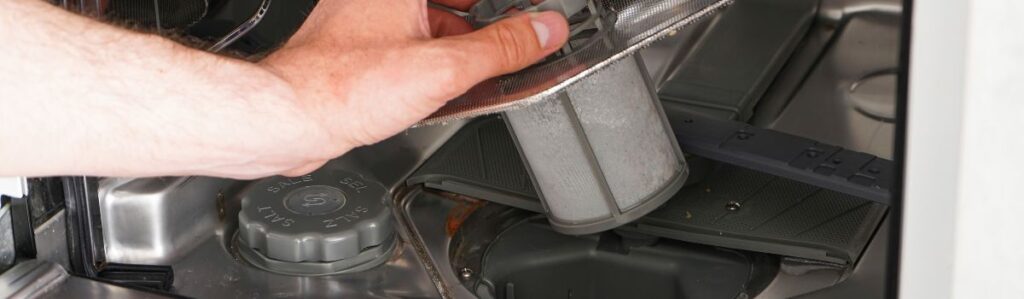
- Clean Your Filters Often: Remove and rinse your dishwasher’s filter every one to two weeks. A clogged filter allows debris to reach the pump or hose, creating unnecessary stress on the system.
- Run Hot Water First: Let your kitchen tap run hot before you start the dishwasher. This ensures the machine fills with hot water immediately, which helps dissolve detergent better and keeps grease from sticking to internal parts.
- Inspect the Drain Hose: Every few months, inspect the area under the sink where the drain hose connects to the plumbing. Look for soft spots, bulging, kinks, or any sign of moisture. These are early signs that the hose may need to be replaced.
- Keep Grease Out: Always scrape excess grease from dishes into the trash before loading. Grease hardens as it cools, creating thick deposits inside the hose and pump.
- Double-check the Loop or Air Gap: If you’ve had the installation done recently or moved into a new place, check whether your dishwasher uses a high loop or air gap. Improper setup can lead to drainage failure and health hazards from contaminated water.
These small habits greatly affect how long your drain system lasts and how well your dishwasher performs overall.
Should You Repair or Replace it? Know the Cost-Effective Choice
When your dishwasher’s drain system malfunctions, one of the first decisions you’ll have to make is whether to repair the part or replace it.
If the drain pump is making loud noises and the dishwasher is more than 10 years old, it’s usually better to replace the pump if not the entire machine especially if other components are starting to wear out. On the other hand, if the dishwasher is relatively new and the issue is a minor clog or blockage, a simple repair could be enough.
A cracked or leaking drain hose is often a quick and affordable fix. Most homeowners can handle hose replacement with just a few tools and time. If unsure, many local appliance technicians offer flat-rate service calls for basic part swaps.
If your dishwasher is under warranty, always check before spending money on parts or labour. Coverage may include common drainage components, saving you out-of-pocket costs.
And if you’ve been dealing with multiple drainage issues in a short period like repeated backups, odors, and pump failure it may be time to evaluate whether replacing the appliance entirely is the more efficient path forward.
FAQs (Frequently Asked Questions)
How do I know if my drain hose is clogged?
If your dishwasher isn’t draining fully, makes gurgling sounds, or smells bad after a wash, the drain hose might be clogged with debris or grease.
Can a faulty drain pump be fixed?
Yes, but it depends on the issue. If the pump is clogged or blocked, it can sometimes be cleaned. Replacing the motor is generally more cost-effective if it has failed.
Do I need to replace the whole drain system?
No. Most issues involve individual parts like the hose or pump. Replacing those specific components is usually enough.
How often should I inspect my drain hose?
A good rule of thumb is to check your dishwasher every six months. However, if your dishwasher is older or used daily, more frequent checks may be needed.
Is DIY drain hose replacement safe?
Yes, as long as you shut off the power and water before starting. It’s a manageable task for anyone comfortable using basic tools.
Conclusion: Keep Your Dishwasher Draining Smoothly for Years
The drain system may not be the most visible part of your dishwasher, but it’s certainly one of the most vital. From the pump that pushes wastewater out to the hose and the air gap that keeps it flowing freely, each part plays a critical role in your kitchen’s daily routine.
By understanding how long each component typically lasts and staying alert for signs of wear, you can avoid unexpected breakdowns. Regular cleaning, timely inspections, and preventative care can go a long way toward saving money and extending the life of your appliance.
Take a few minutes this week to check your dishwasher’s drain setup. If you notice something off, handle it now. Your future self and your clean kitchen will thank you.