
Vintage Refrigerator Part Restoration
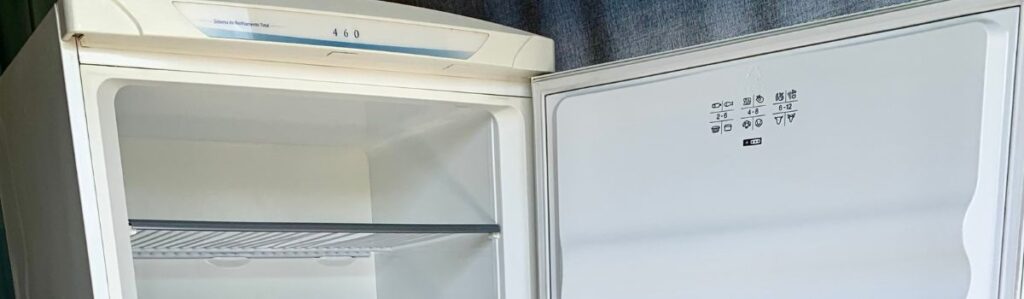
Ultimate Guide to Vintage Refrigerator Part Restoration
Old refrigerators look cool. Their rounded edges, shiny handles, and colorful designs remind us of a time when appliances were made to last and look good. While newer fridges are built for speed and energy savings, older ones were built tough, which is why they’re still around today. They may not be as quiet as modern appliances, but a simple noise reduction solution can help keep them running smoothly without the extra hum.
Fixing up one of these vintage fridges isn’t just about having something different in your kitchen. It helps the environment by keeping old machines out of landfills. And you get a working piece of history, like a GE Monitor Top or a colourful Frigidaire from the 1950s. These fridges have character and often become the highlight of a retro-style kitchen.
Before You Start: Can the Fridge Be Fixed?
What to Check First
Look closely at the fridge before you start taking things apart. Check the outside for rust, dents, or broken parts. Open the fridge and inspect the inside. Are the shelves in good shape? Are there cracks in the lining or mold in the corners?
One important part to check is the door seal. That rubber gasket helps the fridge stay cold. If it’s hard or cracked, it needs to be replaced.
Now look at the back and underneath. See if the compressor looks dirty or has oil leaking out. Old wiring covered in cloth might fall apart, which can be dangerous. Try plugging it in. If the motor doesn’t sound, it might need to be repaired or replaced.
Restore or Retrofit?
There are two ways to bring an old fridge back to life. The first is a full restoration. That means keeping as many original parts as possible and fixing what’s broken. This works if the fridge is still in decent shape.
The second option is retrofitting. This means installing modern parts (like a new cooling system or LED lights) inside the old shell. It still looks vintage on the outside but works like a new fridge inside. This is a smart choice if the old cooling system isn’t safe or reliable.
Pick the method that fits your budget, skills, and how you plan to use the fridge.
Parts That Often Need Replacing
Common Fixes
There are some parts you almost always have to replace. Door gaskets wear out and stop sealing. Thermostats can break and stop controlling temperature. Old lights and switches may stop working.
Wiring is a big one. If the insulation on the wires is cracked or falling apart, it must be replaced for safety. Old insulation inside the fridge walls can also grow mold or lose its ability to keep the cold in. You might need to replace or add new insulation.
Rare or Hard-to-Find Parts
Some parts are harder to track down. Special glass shelves, enamel-coated doors, or vintage handles might no longer be sold in stores. You might have to search online, ask in collector groups, or make a custom part yourself.
Some people use 3D printers or find other old fridges for parts. It takes time, but the hunt can be part of the fun.
Where to Get Vintage Refrigerator Parts
Finding parts is like going on a treasure hunt. Websites like eBay, appliance forums, and local salvage yards are great places to look. When searching, be sure to use the correct model number.
Some companies specialize in vintage appliance parts. They often sell new-old-stock (NOS) parts, which are unused originals. These parts may cost more but often fit better and last longer.
Online communities and Facebook groups are also helpful. Many people there have done restorations and might sell you a part or advise you. Don’t forget estate sales or auctions—you might get lucky.
How to Restore a Vintage Refrigerator
Taking It Apart Safely
Go slow and stay organized. Take lots of pictures as you take it apart. Put screws and parts in labeled bags. This will help when it’s time to put everything back together.
Label each wire before removing it. Knowing how things were connected helps you stay on track, even if you plan to use new wiring.
Cleaning Everything
Years of dirt and grease can build up. Use baking soda, vinegar, or special metal cleaners. If you find rust, use sandpaper or rust remover. Clean carefully to avoid scratching painted or enamel surfaces.
Polish chrome handles and trim to make them shine again.
Fixing Mechanical and Electrical Parts
A multimeter is used to test the motor and compressor. You might not need to replace them if they work and don’t get too hot.
Install new wiring with safe, modern materials. Be sure to add a three-prong grounded plug. If you’re adding modern parts, ensure they fit well and have good airflow.
Putting It Back Together and Testing
Once everything is clean and repaired, return it in reverse order. Make sure the doors and handles line up properly.
Plug it in and let it run for a few hours. Use a thermometer to check if it’s cooling correctly. Listen for strange noises or feel for hot spots. Make adjustments if needed.
Be Careful With Old Refrigerants
Some old fridges used chemicals like R-12 (Freon) or sulphur dioxide to stay cold. These chemicals can be dangerous if they leak, and they’re also bad for the environment, so they’re now banned in many places.
Never try to remove these chemicals yourself. Call a trained technician. If needed, you can upgrade to a safer, modern cooling system while keeping the fridge’s old look.
Keeping Your Restored Fridge in Good Shape
Regular Maintenance
Check the door gasket once a month. Clean the coils and fan to keep the air moving. If there’s a drip tray under the fridge, empty and clean it to avoid smells.
Wipe the fridge’s inside with a mild cleaner regularly to stop mold and bacteria from growing. If the fridge isn’t used often, leave the door open slightly so air can move around.
Tips for Long Life
Don’t pack the fridge too full. Old motors need space for air to move. Keep the fridge in a cool, dry place. Use a surge protector to protect it from power spikes. Check on it regularly to fix small problems before they become big ones.
Should You Restore or Modernize?
It depends on what you want. A full restoration using original parts can be great if it’s just for show or light use. Modern parts can make it safer and more reliable if you plan to use it every day.
Some people mix both approaches they keep the outside looking original but use modern parts inside. That way, they get the best of both worlds.
Cool Examples That Inspire
People have done amazing things with old fridges. Some have restored 1930s models to look brand new. Others add hidden modern parts to make them work like today’s fridges while keeping their vintage style.
You can find stories and videos of these projects online. They show what’s possible and give you great ideas. Learning from others can help you avoid mistakes and stay motivated.
Conclusion: Giving History a Second Chance
Fixing up a vintage fridge isn’t just a fun project. It helps the planet, brings history into your home, and lets you use something special. These fridges were built to last, and with a little work, they can keep running for decades more.
Whether fixing up a hand-me-down from your grandparents or rescuing a curbside find, you’re doing something meaningful. So take your time, enjoy the process, and know that every step you take is helping preserve a piece of the past.