
Washer Energy Efficiency Issues & Fixes
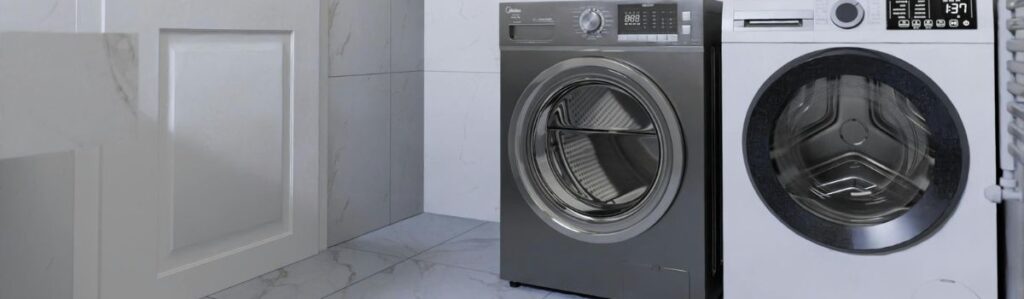
Is Your Washer Wasting Energy? Common Efficiency Issues and How to Fix Them
When we talk about energy efficiency for washers, we’re talking about how well your machine uses electricity and water to clean clothes without overdoing it. It’s not just some eco buzzword. An efficient washer saves you money on utility bills, reduces your home’s environmental impact, and helps your machine last longer with less wear and tear. One often-overlooked step that helps with efficiency is the water inlet filter cleaning process, which ensures proper water flow and prevents the machine from overworking.
Why does this matter? Because inefficient washers pull more power, burn more water, and still might not get clothes as clean as they should. Over time, that adds up. Money down the drain, literally. Plus, it strains your washer, so it dies quicker and needs replacing sooner.
How do you know the washer’s slacking? Look for red flags like longer-than-usual cycles, spikes in your electric or water bills, or clothes that just don’t come out clean or feeling fresh. Those are signs your washer could be burning through more resources than necessary, and that it’s time to step in.
What makes a washer inefficient
A washer becomes inefficient when it’s doing more work than it needs to. That could mean using excessive water or cranking out way more energy than is required for the job. One of the easiest ways to waste energy? Running small or partial loads all the time. It may seem convenient, but each cycle still draws nearly the same resources as a full load.
Old washers are another culprit. Models that predate modern energy standards weren’t designed with efficiency in mind, and even well-maintained older machines can’t compete with newer high-efficiency units. They’re like trying to stream HD video on dial-up; it’s just not built for the job.
Overloading the drum? That’s a double hit. It stresses the motor and leads to less effective cleaning, meaning you might have to re-wash. On the flip side, underloading wastes water and electricity since you’re using a full cycle for a half-hearted load.
Mechanical wear and tear also chip away at performance over time. A stretched-out belt, a tired pump, or a clogged filter means your washer needs to work harder to do what it used to. The same goes for always using the wrong settings; running heavy-duty settings for light laundry is like using a fire hose to fill a glass.
Signs your washer is wasting energy
Not every inefficient washer shrieks for attention; some just quietly rack up your energy bill. Here’s what to look for:
- Long wash times without a clear cause: If your washer takes forever to complete a cycle but the load isn’t unusually heavy or dirty, that’s a red flag. It could mean sensors aren’t working right or the machine is struggling to complete tasks.
- Water hotter than needed: Most laundry doesn’t need hot water unless you’re blasting germs out of hospital linens. If your washer defaults to hot more often than it should or heats more than you ask, it’s burning energy unnecessarily.
- Shaking, knocking, or extra noise: Excessive vibration means your washer’s working harder than it should. Misbalanced loads or worn parts can throw the machine off, making it use more power just to stay running.
- Soggy clothes: If your clothes come out dripping wet even after a high spin cycle, your washer may not be spinning efficiently. That forces the dryer to overcompensate, increasing energy use across both machines.
- Detergent residue on clothes or inside the drum: This points to poor rinsing. A washer that doesn’t rinse effectively has to work harder (and use more water) to finish the job, or worse, you rewash things manually.
These signs don’t always scream “replace me,” but they do mean your washer’s burning more energy than it should. Pay attention to your utility bill already.
Fixes you can handle yourself
If your washer’s guzzling power or water, don’t panic, some of the simplest tweaks can make a real difference. Start with temperature. Unless you’re dealing with heavy stains, cold water works fine and uses way less energy than hot or warm cycles.
Next: load it right. Overload it and the motor strains. Underload it and you’re wasting all that water and energy on a few socks. Aim to fill the drum about three-quarters full.
Maintenance matters too. Gunky hoses and clogged filters can mess with water flow and force the washer to work harder. Wipe the drum, clean out lint and detergent residue, and check hoses for buildup. Once a month, run a cleaning cycle. Some washers have a dedicated setting for this. No extras? Just run an empty load with white vinegar or washing machine cleaner.
Detergent is part of the equation, too. If your machine is labeled HE (high-efficiency), use HE detergent with fewer suds and a better rinse. Too much suds makes the washer work twice as hard to clear things out.
Some units have a load-sensing feature that needs calibrating now and then to work properly. Check your manual, it’s usually just a button combo or quick cycle.
And one last thing: skip the heavy-duty wash unless it’s needed. It burns more energy and water than regular or eco modes. Most loads don’t need that kind of firepower.
Older Model? Make Small Upgrades
Because your washer is older doesn’t mean it’s doomed to waste energy forever. A few simple upgrades can stretch its usefulness and trim down utility costs.
Quick Fixes for Better Efficiency
Here are some low-effort, high-impact improvements you can make:
- Install a Water-Saving Valve
Some washers are compatible with retrofit parts that reduce water flow without affecting wash quality. A small adjustment here can lead to big savings over time. - Use an Energy-Saving Plug
These smart plugs cut “vampire energy,” the power your machine draws even when turned off. Note: Not all models are compatible, so double-check before purchasing.
Still, if yours is, it’s an easy, plug-and-play solution to reduce standby energy costs. - Replace Worn Seals and Hoses
Cracked hoses or worn-out seals can cause leaks or reduce water pressure, making your machine work harder. Replacing them takes about 15 minutes and can prevent wasteful water loss. - Insulate Your Hot Water Lines
If your washer uses hot or warm water, uninsulated pipes can lose heat before it ever reaches the drum.
A cheap insulating wrap from a hardware store helps minimize heat loss, especially in colder spaces like basements.
Smarter, Leaner – If Not Brand-New
No, these updates won’t turn your washer into a cutting-edge high-efficiency model. But they will help it:
- Perform smarter
- Use less energy
- Last a bit longer
Small upgrades really can make a big difference.
When repairs make sense
Sometimes, the washer just needs a second wind. If the motor sounds like it’s working overtime or the pump doesn’t drain like it used to, a professional tune-up can bring things back into line. These aren’t massive overhauls, just smart upkeep that keeps your machine from guzzling more energy than necessary.
Parts like pressure switches, thermostats, and timers might also be out of sync. Replacing one or two of these can reduce cycle times or stop the washer from using too much hot water. Not flashy fixes, but they work. These repairs are often worth the cost, especially if your washer isn’t ancient.
If your utility bills have crept up but everything else looks fine, it could point to an internal efficiency issue that a good technician can spot immediately. Catching it early means avoiding bigger problems (and bigger bills). Make the call when the symptoms add up. It’s cheaper than replacing a whole unit you haven’t gotten the full life out of yet.
Know when to replace instead of repair
At a certain point, no DIY fixes or replacement parts will save your washer or your energy bill. Here’s the truth: if your machine is over a decade old, it’s probably guzzling more power and water than it should, even if it still spins. Most washers have a 10 to 12-year life span. After that, wear and tear catch up fast.
If you’re scheduling repairs frequently or the next fix costs more than half of what a new model runs, look hard at replacement. Modern Energy Star washers use over 30% less energy and up to 50% less water than older machines. That’s not hype, that’s science and design working in your favor.
Also, some things just aren’t worth fixing. A cracked drum or a motor that keeps overheating? Deal-breakers. These expensive parts often signal that the rest of the machine isn’t far behind.
Daily habits to cut energy use
Don’t underestimate the power of daily decisions; they add up fast. First rule: always wait to run full loads. A half-empty drum wastes water and energy, and doing that a few times a week messes with your utility bill. Just don’t go overboard, overloading strains the motor and leaves clothes half-clean.
When it’s time to wash, go for the high spin setting. It pulls out more water, which means less time (and less money) spent on drying. Easy win.
Monthly, knock out the basics: clean out the lint trap (check your model, some have one), inspect the hoses for blockage or wear, and make sure the drum is gunk-free. A clean machine works better, plain and simple.
After each run, leave the washer door cracked open. It helps moisture evaporate and cuts down on mold, mildew, and that gross musty smell. Skip the air fresheners, ventilation is your friend.
Lastly, if you’ve got a laundry day, make it just that: group your loads. The washer doesn’t need to wake up thrice throughout the week. One or two back-to-back runs are more efficient than spreading them out.
Keep it simple. Keep it sharp. That’s how you win the energy game.
Wrap Up
Energy efficiency doesn’t happen by accident. It’s a combo of smart habits, light maintenance, and knowing when your washer’s just not pulling its weight anymore. If you watch your loads, stick to cold water, and stay on top of basic care, your washer will return the favor with lower bills and fewer headaches.
But if it’s showing its age, don’t throw good money after bad. Repairs help up to a point. Sometimes the smartest move is a replacement, especially with modern high-efficiency models that pay you back over time.