
Safety Precautions Professionals Take When Repairing Refrigerators
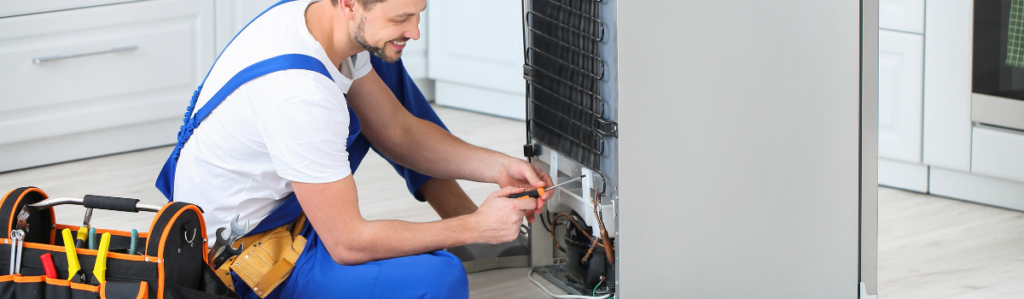
Essential Safety Precautions Professionals Follow When Repairing Refrigerators
Fixing a refrigerator might look simple, but it can be dangerous if you don’t take the right safety steps. Refrigerators have electrical systems, contain chemicals called refrigerants, and are heavy to move. If a repair is done the wrong way, it can lead to electrical shocks, breathing in harmful gases, back injuries, or even fires and explosions.
A small mistake like forgetting to unplug the fridge or not handling refrigerants correctly can cause serious accidents. That’s why professional technicians follow strict safety rules to keep themselves safe and make sure repairs are done properly. In this troubleshooting guide, we’ll go over the biggest risks involved in refrigerator repair and how professionals handle them safely.
Dangers of Repairing a Refrigerator
Before starting a repair, professionals take time to identify possible dangers. Knowing these risks helps them take the right precautions. Here are the most common hazards and how technicians deal with them:
Electrical Risks
Refrigerators use high-voltage electricity; some parts can still hold power even after the fridge is unplugged. For example, capacitors store electrical charges and can cause shocks if they’re not discharged properly. Old or damaged refrigerators may also have exposed wires, which increase the risk of getting electrocuted.
To stay safe, professionals:
- Always unplug the refrigerator and test for any leftover electricity before working on it.
- Wear insulated gloves and use special tools that don’t conduct electricity.
- Follow safety steps to ensure no one accidentally turns the power back on while working.
Refrigerant Leaks
Refrigerants are chemicals inside a fridge that help keep it cold. If they leak, they can be harmful to breathe in and can also damage the environment. Some refrigerants, like R-600a, are also flammable, meaning they could start a fire if they come into contact with a spark.
To handle refrigerants safely, technicians:
- Use special machines to remove refrigerants before making repairs.
- Work in areas with good airflow to prevent gas from building up.
- Follow government rules for safely disposing of refrigerants.
Sharp Edges and Moving Parts
Many refrigerator parts have sharp edges, such as coils, fan blades, and metal panels. Technicians need to be careful to avoid cuts and scrapes while working.
To prevent injuries, professionals:
- Wear gloves to protect your hands from sharp edges.
- Use the right tools to remove and replace parts safely.
- Keep their work areas clean to avoid accidents.
Lifting Heavy Refrigerators
Refrigerators are big and heavy some weigh over 300 pounds. Moving them the wrong way can cause back pain, muscle strain, or even serious spinal injuries.
To move refrigerators safely, technicians:
- Use lifting straps or appliance dollies to reduce strain.
- Work with a partner when lifting large refrigerators.
- Lift with their legs, not their back, to avoid injuries.
Fire and Explosion Risks
Some modern refrigerators use flammable refrigerants to save energy. If these chemicals leak and are exposed to heat or sparks, they can cause fires or explosions.
To prevent fires and explosions, technicians:
- Always work in well-ventilated areas.
- Never release refrigerant gases into the air; these must be properly collected and disposed of.
- Keep a fire extinguisher nearby in case of emergencies.
Safety Steps Before Starting a Repair
Before touching a refrigerator, technicians take important safety steps to prepare for the repair.
Turning Off the Power
One of the most important steps is to ensure that the refrigerator is not powered on. Simply unplugging it may not be enough some parts can still store electricity.
To be safe:
- Technicians use a voltage tester to make sure no electricity is left in the system.
- They shut off the circuit breaker if the fridge is connected directly to a power line.
- In commercial settings, they follow safety lockout procedures to prevent anyone from accidentally turning the power back on.
Checking for Refrigerant Leaks
Leaking refrigerant can make a fridge less effective and be harmful to people nearby. Technicians check for leaks before opening the cooling system.
To find leaks, they:
- Use electronic leak detectors that sense escaping gas.
- Apply soapy water to pipes and watch for bubbles indicating a leak.
- Use special UV dyes to track slow leaks over time.
Ensuring Proper Ventilation
Good airflow is important when working with refrigerants. If gas leaks in a small, enclosed space, it can replace oxygen and become dangerous.
To improve ventilation, technicians:
- Work in open areas whenever possible.
- Use fans or exhaust systems to clear out fumes.
- Wear protective masks if needed.
Wearing Protective Gear
Personal protective equipment (PPE) helps technicians avoid injuries. Professionals always wear:
- Insulated gloves to prevent electric shocks.
- Safety goggles to protect their eyes from debris and chemicals.
- Steel-toe boots to keep their feet safe from heavy parts.
- Face masks if working with dust or refrigerants.
Following Manufacturer Instructions
Every refrigerator model is different, so professionals always check the user manual before starting repairs. Following the manufacturer’s instructions helps them avoid mistakes and ensures repairs are done safely.
Handling Electrical Components Safely
Electrical problems are some of the most common issues with refrigerators. Technicians take extra care when working with electrical parts to avoid injuries and damage.
Avoiding Live Circuit Repairs
Fixing a refrigerator while it’s still connected to power is extremely dangerous. To prevent electrical accidents, professionals:
- Double-check that the appliance is completely off before starting work.
- Discharge capacitors that might still hold electricity.
- Follow step-by-step troubleshooting methods to find and fix faulty parts.
Using Insulated Tools
Regular tools conduct electricity, which increases the risk of shocks. Technicians use:
- Screw drivers and pliers with insulated handles to avoid electric shocks.
- Voltage testers to check if a part is still live before touching it.
- Wire strippers designed for electrical work to handle damaged wiring safely.
Identifying and Replacing Damaged Wires
Many refrigerator problems are caused by electrical wiring issues, such as frayed or corroded wires. To fix these problems, technicians:
- Inspect all wiring for visible damage.
- Use special testers to check if the wires are working correctly.
- Replace damaged wires with the correct parts recommended by the manufacturer.
Conclusion
Refrigerator repair isn’t just about fixing broken parts it’s about doing it safely. Electrical hazards, refrigerant exposure, sharp edges, heavy lifting, and fire risks make strict safety procedures essential. Professional technicians always take time to prepare, use the right tools, and wear protective gear to prevent injuries and accidents.
By following these precautions, anyone working on a refrigerator can protect themselves and ensure the repair is done correctly. Whether fixing a small issue or handling a major repair, safety should always come first.