
Quick Fixes for Common Washing Machine Maintenance Issues
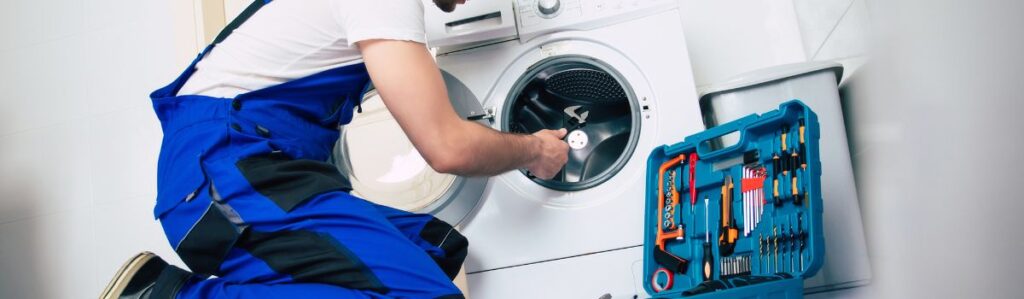
Easy Solutions for Common Washing Machine Problems
A well-functioning washing machine is essential for keeping your laundry routine hassle-free. However, even the most reliable washers can develop problems over time. Brands to avoid in choosing washing machine can make a big difference in long-term performance and reliability. Ignoring minor issues can lead to costly repairs or even replacement. This guide will walk you through quick fixes for the most common washing machine maintenance issues, helping you keep your appliance running smoothly and efficiently.
Washing Machine Won’t Start
Why Your Washing Machine Won’t Start
Few things are more frustrating than pressing the start button and getting no response. The most common culprits include power supply problems, a faulty lid switch, or a malfunctioning control board.
Quick Fixes to Try
- Check the power supply: Ensure the washer is plugged in and the outlet is functional. Try plugging another device into the same outlet.
- Test the lid switch: Many washers won’t start if the lid switch is defective. Open and close the lid firmly to see if it clicks into place.
- Reset the machine: Unplug the washer, wait five minutes, and plug it back in to reset any internal errors.
Washing Machine Won’t Fill with Water
Common Reasons for No Water Flow
If your washer won’t fill, it may be due to a closed water valve, clogged filters, or a faulty water inlet valve.
Step-by-Step Troubleshooting
- Check the water supply: Make sure both hot and cold water taps are fully open.
- Inspect inlet filters: Remove the hoses and clean any debris from the filters.
- Test the water inlet valve: It may need to be replaced if it doesn’t click when activated.
Washing Machine Won’t Drain
Why Your Washer Won’t DrainA washing machine that refuses to drain can leave clothes soaking wet. The common causes include a clogged drain hose, a malfunctioning drain pump, or a blocked coin trap.
Quick Fixes to Try
- Check the drain hose: Remove it and inspect for blockages or kinks.
- Inspect the drain pump: Listen for unusual noises that could indicate a problem.
- Clean the coin trap (for front-loaders): Open the access panel and remove any debris.
Washing Machine Won’t Spin or Agitate
Why a Washer Stop Spinning
A washer that won’t spin can leave clothes dripping wet. This could be due to an unbalanced load, a worn drive belt, or a faulty motor coupling.
Quick Fixes to Try
- Rearrange the load: Overloading or uneven distribution can prevent spinning.
- Inspect the drive belt: It may need replacing if it’s loose or worn.
- Test the motor coupling: If broken, replacing it can restore functionality.
Washing Machine is Leaking
Where Do Leaks Come From
Leaks can stem from various sources, including damaged door seals, loose hoses, or excessive detergent use.
Quick Fixes to Try
- Inspect the door seal (front-loaders): Wipe it down and check for tears.
- Tighten hose connections: Ensure that all hoses are securely attached.
- Reduce detergent use: Too much soap can create excessive suds, leading to leaks.
The Washing Machine is Making Strange Noises or Vibrating
Identifying Different Washer Noises
Loud thumps, rattles, or squeaks can indicate leveling issues, foreign objects, or worn suspension rods.
Quick Fixes to Try
- Level the machine: Adjust the washer feet to stabilize it.
- Check for foreign objects: Coins or buttons stuck in the drum can cause noise.
- Inspect suspension rods and shock absorbers: Replace them if worn.
Washing Machine Smells Bad
Why Your Washer Smells Musty
Mold and detergent buildup can lead to unpleasant odors over time.
Quick Fixes to Try
- Run a hot cycle with vinegar and baking soda: This helps remove bacteria and buildup.
- Clean the detergent drawer: Residue can accumulate and create odors.
- Leave the door open after each use: Allowing airflow prevents mold growth.
Washer Leaves Residue or Stains on Clothes
Why Clothes Come Out Dirty
Residue or stains after washing can be caused by excessive detergent, mold buildup, or a dirty drum.
Quick Fixes to Try
- Use the correct detergent amount: High-efficiency washers require less detergent.
- Run a drum cleaning cycle: Use hot water and a cleaning agent to remove buildup.
- Check for mold in hidden areas: Pay special attention to rubber gaskets and seals.
Preventative Maintenance Tips to Avoid Future Issues
How to Extend Your Washer’s Lifespan
Routine maintenance can help prevent costly repairs and extend your washer’s lifespan.
Key Maintenance Tips
- Clean the filters and hoses monthly to prevent blockages.
- Don’t overload the washer, as it strains the motor and drum.
- Use high-efficiency detergent for front-loaders to reduce residue buildup.
- Inspect belts and seals regularly and replace them as needed.
Conclusion
Regular maintenance and timely troubleshooting can keep your washing machine in peak condition. By addressing minor issues early, you can avoid expensive repairs and extend the lifespan of your appliance. Whether fixing common problems yourself or calling a professional when necessary, staying proactive ensures your washer operates efficiently for years to come.