
Preventive Maintenance for Dryer Vents
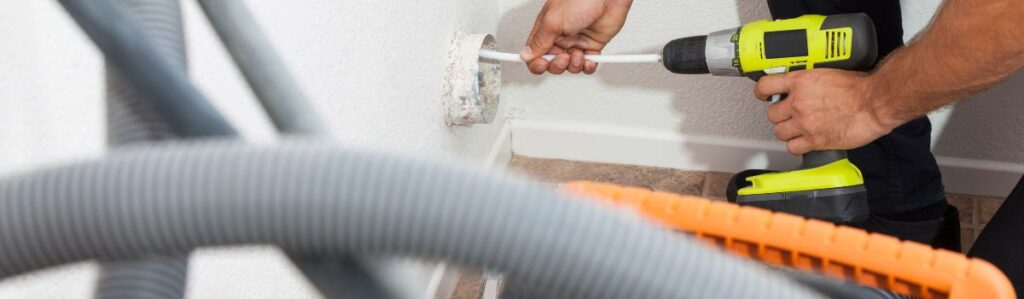
How to Keep Your Dryer Vents Clean: Preventive Maintenance Tips
When was the last time you checked your dryer vent? Many people forget about it, but keeping it clean is super important. Cleaning dryer vent regularly can prevent serious issues. Clogged dryer vents can cause home fires, with thousands happening each year. Not only is there a safety risk, but a blocked vent also means higher energy bills and a dryer that takes forever to do its job. Your clothes stay damp, your machine works harder, and you might pay for repairs sooner than expected.
This guide will show you how to avoid these problems. You’ll learn practical tips, easy instructions, and expert advice to keep your dryer running safely and efficiently. By the end, you’ll know exactly how to care for your dryer vent like a pro.
Understanding Your Dryer Vent System
Before you can maintain your dryer vent, you need to know how it works. When you understand the parts and how they fit together, it’s easier to spot and fix problems.
Key Parts of the Dryer Vent System
- Lint Trap: Located just inside the dryer door, this part collects lint and dust during drying. Cleaning it after every load keeps the air flowing and reduces fire risks.
- Ventilation Ducts: These pipes carry warm, moist air from the dryer to the outside. Some ducts are flexible, while others are rigid metal. Rigid metal ducts are safer and work better because they don’t trap as much lint.
- Exterior Vent Hood: This is where air leaves your home. To keep everything running smoothly, the vent hood should be clear of dirt, leaves, and pests.
How the Dryer Vent System Works
Your dryer heats air and blows it through the drum to dry clothes. This air picks up moisture and lint and travels through the ducts to the outside. If lint builds up and blocks the path, airflow slows down. That means longer drying times, overheating, and worst of all a higher risk of fire.
Understanding these parts makes it clear why regular cleaning is essential.
Why Preventive Maintenance is Essential
Preventive maintenance might sound boring, but it’s crucial for keeping your home safe and saving money. Let’s break it down:
Fire Prevention
Lint is highly flammable. Even a tiny amount can catch fire if your dryer overheats. Blocked vents trap heat, creating the perfect conditions for a fire. Regular cleaning helps prevent this danger, keeping your home safe.
Improving Efficiency and Saving Money
A clogged vent forces your dryer to work harder, making cycles longer and raising your energy bill. If you notice clothes staying damp after a full cycle, your vent might be blocked. A clean vent means faster drying times, lower energy costs, and a longer dryer.
Health and Safety
Gas dryers pose an additional risk: carbon monoxide buildup. This odourless gas can be deadly if it leaks into your home. Also, clogged vents can cause moisture buildup, leading to mould and mildew. Regular maintenance keeps your air clean and your home healthy.
How to Perform Regular Dryer Vent Maintenance
Maintaining your dryer vent is easier than you might think. Follow these simple steps:
Daily Tasks:
- Clean the Lint Trap: Remove lint from the trap after every drying cycle. This small step improves airflow and cuts down fire risks.
Monthly Checks:
- Check the exterior vent hood. Make sure nothing is blocking the vent outside. The flap should open easily when the dryer runs.
- Test Airflow: Turn on the dryer and check if the air outside feels strong. Weak airflow may mean a blockage inside.
Annual Deep Clean
- Clean the Vent Hose: Disconnect the hose from the dryer. Use a vent-cleaning brush or vacuum to remove built-up lint.
- Vacuum Behind the Dryer: Lint can collect behind and inside ducts. Use a vacuum with a hose attachment for a thorough cleaning.
- Reconnect and Test: Reattach the hose and check that the airflow has improved.
Advanced Maintenance Tips
Want to take things up a notch? Try these expert tips:
Upgrade to Rigid Metal Ducts
Rigid metal ducts are sturdier than flexible ones and don’t sag or trap as much lint. They also handle higher temperatures, lowering fire risks.
Proper Vent Placement
Always vent your dryer outside. Venting into an attic or crawlspace can cause moisture buildup, leading to mould and structural damage.
Install Booster Fans
If your vent runs more than 35 feet, airflow can weaken. Booster fans help maintain proper airflow, keeping your dryer working efficiently.
Dryer Vent Maintenance for Multi-Unit Buildings
In apartment buildings or condos, shared vent systems make regular maintenance even more important. Strata corporations usually handle these responsibilities. Coordinated maintenance and professional inspections help prevent fires and keep everyone safe.
Local Regulations and Compliance in British Columbia
Dryer vents must meet local building codes. These rules specify which materials to use, where vents should go, and how strong the airflow should be. Staying compliant keeps your home safe and could affect your insurance premiums. Always check codes when installing or repairing vents.
FAQs: Dryer Vent Maintenance Made Simple
How often should I clean my dryer vent?
Clean the lint trap after every load, check monthly, and deep clean once a year.
Can I clean my vent myself?
Yes, as long as you have the right tools. If the system is long or complex, hiring a professional is best.
What are the signs of a clogged vent?
Longer drying times, musty smells, or a hot dryer exterior mean it’s time to clean.
Conclusion
Taking care of your dryer vent is essential for safety, saving money, and keeping your dryer running smoothly. With regular maintenance, you can avoid fire risks, lower your energy bills, and extend the life of your appliance. Don’t wait! Check your dryer vent today and keep your home safe and efficient.