
Preventative Care for Older Stoves
Why Taking Care of Your Stove Is Important
Older stoves can add character to your home, but regular care is needed to stay safe and efficient. Without proper maintenance, they can develop problems like poor heating, higher energy use, or dangerous risks like fires or gas leaks. For example, wood stoves can build up creosote in the chimney, which is highly flammable. Gas stoves with faulty seals might leak harmful gases, while electric stoves can overheat due to worn-out wires.
Taking care of your stove means staying ahead of these issues. Regular maintenance keeps your stove working well, helps it last longer, and can save you money on repairs. It also makes your home safer and better for the environment.
Types of Older Stoves and Their Problems
Old stoves usually fall into three types: wood-burning, gas, and electric. Each type has its issues to watch out for.
Wood Stoves
These give a cozy, rustic feel but need frequent cleaning to prevent creosote buildup in the chimney. Over time, the firebricks might crack, or the door seals might wear out, making the stove less efficient and more dangerous.
Gas Stoves
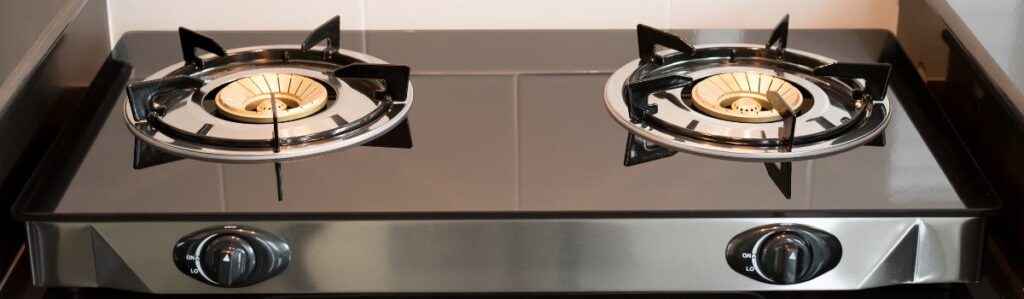
Are dependable but can have clogged burners, damaged seals, or corroded gas lines. Ignoring these problems can lead to uneven heating or gas leaks.
Electric Stoves
These stoves are simpler but not problem-free. Worn wires or dusty coils can reduce performance or suddenly cause the stove to stop working.
Understanding what kind of stove you have makes it easier to keep it running safely and efficiently.
Why Maintenance Matters
Preventative maintenance is about stopping problems before they start. Here’s how it helps:
- Safety First: Regular maintenance reduces the chance of fires, gas leaks, or carbon monoxide buildup.
- Better Efficiency: Clean and well-maintained stoves use less energy or fuel to produce the same heat.
- Longer Lifespan: A little care can keep your stove working for years, saving you the replacement cost.
- Lower Costs: Fixing small problems, like replacing a gasket, is much cheaper than dealing with major repairs or damages.
How to Take Care of Your Stove Step by Step
Clean Your Stove Regularly
Cleaning is one of the easiest ways to keep your stove in good shape.
- Wood Stoves: Remove ash and clean the glass door with a gentle cleaner.
- Gas Stoves: Wipe the burners and remove any blockages with a soft brush.
- Electric Stoves: Clean the coils and drip pans and ensure no debris is underneath.
Look for Signs of Wear
Check your stove regularly for problems like:
- Rust on metal parts.
- Cracks in firebricks.
- Frayed wires or worn seals.
- If you notice damage, fix it right away before it gets worse.
Keep Chimneys and Vents Clear
If you have a wood stove, clean the chimney to remove creosote buildup, which is a common cause of chimney fires. Also, check for any blockages, such as bird nests or debris in the vent.
Check for Electrical or Gas Issues
For electric stoves, look at the wires for fraying or damage. If you have a gas stove, check for leaks if you smell something like rotten eggs, turn off the gas and call a professional immediately.
Upgrading Older Stoves
If your stove is old, you can add modern features to make it safer and more efficient.
- Wood Stoves: Install a catalytic converter to reduce emissions and make the stove more efficient.
- Gas Stoves: Replace old gaskets and seals to prevent leaks and improve performance.
These upgrades can save energy and help your stove meet today’s safety standards.
Safety Tips for Stove Owners
- Use a Carbon Monoxide Detector: Place one near your stove to catch harmful gases.
- Keep a Fire Extinguisher Handy: Make sure it’s easy to reach in emergencies.
- Follow Instructions: Always use your stove as the manufacturer recommends, especially when lighting or cleaning it.
How Older Stoves Affect the Environment
Older stoves, especially wood-burning ones, can release more pollutants into the air than newer models. This can harm the environment and lower home air quality. British Columbia has strict rules that encourage people to use cleaner stoves. Upgrading or maintaining your stove can help you meet these rules and reduce environmental impact.
A Simple Maintenance Schedule
Sticking to a schedule makes it easy to keep up with maintenance:
- Monthly: Clean your stove and look for visible damage.
- Seasonal: Check the chimney or vent for blockages. Test your carbon monoxide detector.
- Yearly: Get a professional inspection, replace worn parts, and do a deep cleaning.
Where to Get Help
If you don’t want to handle stove maintenance, professionals in British Columbia can help. Chimney sweeps, repair services, and stove specialists are available to ensure your stove stays in top shape. Some programs even offer rebates if you upgrade your stove to a cleaner model.
Final Thoughts
Caring for an older stove is more than keeping it working it’s about creating a safe, comfortable, and efficient home. Regular maintenance helps you avoid problems, save money, and keep your family safe. Start caring for your stove today, and you’ll enjoy the benefits for years.