
Best Compact Energy-Efficient Refrigerators
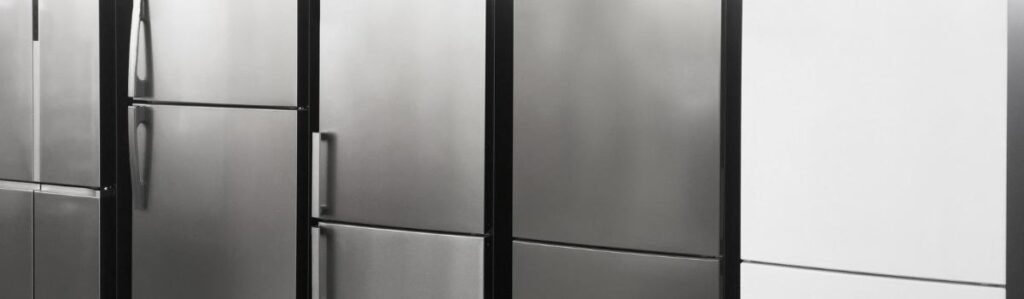
Top Compact Energy-Efficient Refrigerators for Modern Living
Compact energy-efficient refrigerators are a great choice for those who need to save space without sacrificing functionality. Whether you’re outfitting a small kitchen, dorm room, or office space, a compact refrigerator can meet your cooling needs while helping lower your energy bills. In this guide, we’ll cover what to look for in a small-sized energy-efficient fridge, highlight top models, explore Fridge Lifespan By Brand,and explain why they are worth considering.
Why Energy Efficiency Matters in Compact Refrigerators
Energy efficiency in compact refrigerators isn’t just a trendy buzzword it’s a practical solution to everyday problems that impact your wallet, the environment, and even appliance longevity. Here’s the breakdown:
Cost Savings
A compact fridge with ENERGY STAR certification uses significantly less electricity than older or non-certified models. Over time, this reduction in energy consumption turns into measurable savings on your utility bill. It’s not flashy, but it adds up when that extra cash stays in your pocket month after month, whether it’s $20 or $50 annually. Why pay more to run your fridge when a better choice exists?
Environmental Impact
Choosing energy-efficient appliances has a ripple effect beyond your household. Lower energy consumption directly correlates to reduced greenhouse gas emissions from power plants. By making the switch, you’re essentially shrinking your carbon footprint with every can of soda you store or leftover you save. Small fridge, big impact.
Better Standards Mean Better Products
Thanks to stricter regulations and certifications like ENERGY STAR, energy-efficient compact refrigerators perform better in electricity use and tend to be well-designed overall. Manufacturers are incentivized to innovate, producing models that regulate temperatures more accurately, preserve food longer, and, in many cases, last longer due to advanced engineering. You’re not just saving kilowatt hours but investing in a smarter appliance.
In short, energy efficiency is about more than a label. It’s about making smarter, long-term choices for your budget, the planet, and a fridge you can rely on instead of cursing at.
Key Features to Look For in a Compact Fridge
When shopping for the ideal compact fridge, it’s important to consider factors beyond aesthetics. Here are the key features to prioritize:
ENERGY STAR Certification
Why It Matters: Appliances with the ENERGY STAR label use about 10% less energy than their non-certified counterparts.
Benefits:
- Lower utility bills.
- Environmentally friendly with fewer carbon emissions.
Quick Tip: If it doesn’t have the blue ENERGY STAR sticker, it’s probably not worth your money.
Size and Capacity
Assess Your Needs:
- For drinks and snacks, opt for a smaller unit.
- For leftovers and weekly groceries, go for a larger capacity.
Standard Range: Most compact fridges offer 1.5 to 5 cubic feet of storage.
Pro Tip: Always measure your available space before purchasing and account for clearance needed for proper ventilation.
Temperature Control
Essential Feature: Adjustable thermostats allow you to fine-tune the interior temperature to suit your needs.
Bonus Points:
- A separate freezer compartment keeps ice cream frozen and your frozen goods intact.
- Ideal for preserving both perishables and frozen food items effectively.
Noise Level
Why It’s Important: Compact fridges are often placed in quiet environments, such as bedrooms, dorm rooms, or offices.
Recommendation: Look for fridges with a noise level under 40 decibels (dB).
Translation: A quiet hum instead of a disruptive buzz.
Build Quality
Key Features to Look For:
- Sturdy glass or metal shelving (avoid flimsy plastic shelves that snap easily).
- Reversible doors for flexible placement.
- Energy-efficient LED lighting to improve visibility without increasing power consumption.
Why It Matters: A well-built fridge lasts longer and offers better functionality, making even budget models feel premium.
Additional Features
Some seemingly minor additions can make a big difference in usability:
- Crisper drawers: Keep fruits and vegetables fresh longer.
- Can holders: Organize drinks and prevent soda avalanches.
- Locks: Great for securing contents in shared spaces like dorms or offices.
Takeaway: Small perks may seem insignificant, but they add convenience to your daily life.
By considering these features, you’ll ensure you select a compact fridge that fits your needs while offering long-term value.
Top Compact Energy-Efficient Refrigerators
Here’s a roundup of some of the best compact energy-efficient refrigerators on the market:
Danby Designer DCR044A6BSLDB
- Capacity: 4.4 cubic feet
- Energy Efficiency: ENERGY STAR-certified
- Key Features: Adjustable shelves, integrated door shelving for tall bottles, and a scratch-resistant worktop for added functionality.
- Why It’s Great: Perfect for small apartments or dorm rooms, this model balances form and function with a sleek design and efficient cooling system.
Midea WHD-113FSS1
- Capacity: 3.1 cubic feet
- Energy Efficiency: ENERGY STAR-certified
- Key Features: Separate freezer compartment, adjustable legs, and reversible door.
- Why It’s Great: One of the quieter models on the market, it is ideal for spaces where noise is a concern.
Black+Decker BCRK25B
- Capacity: 2.5 cubic feet
- Energy Efficiency: ENERGY STAR-certified
- Key Features: Compact yet spacious, reversible door, adjustable temperature control.
- Why It’s Great: A budget-friendly option that doesn’t skimp on essential features.
GE GDE03GLKLB
- Capacity: 3.1 cubic feet
- Energy Efficiency: ENERGY STAR-certified
- Key Features: Separate true freezer section, clear crisper drawer, and adjustable glass shelves.
- Why It’s Great: Its stylish design and premium features, like a separate freezer, make it versatile for different needs.
Frigidaire EFR341
- Capacity: 3.2 cubic feet
- Energy Efficiency: ENERGY STAR-certified
- Key Features: Built-in freezer section, reversible door, and storage for 2-liter bottles.
Why It’s Great: Affordable and compact while maintaining decent storage capacity for small households.
How to Maximize Refrigerator Efficiency
To get the most out of your refrigerator while keeping energy consumption low, follow these tips:
Proper Placement
- Keep it cool: Avoid placing your fridge near heat sources like ovens, dishwashers, radiators, or sunny windows.
- Allow ventilation: To improve air circulation, ensure at least a couple of inches of space around the sides and back.
- Why it matters: Heat exposure and poor ventilation force the compressor to work harder, increasing energy use.
Optimal Temperature Setting
- Fridge: Stick to 37-40°F.
- Freezer: Set at 0°F.
- Avoid extremes: Setting the temperature colder than necessary wastes energy and can ruin delicate items like lettuce.
Regular Maintenance
- Clean condenser coils: Dust and dirt on the coils (found on the back or underneath) make the fridge less efficient. Clean them at least twice a year.
- Defrost as needed: Frost buildup in the freezer reduces efficiency and takes up valuable space. If you spot frost, it’s time for a defrosting session.
Load Management
- Find the balance: Don’t overpack the fridge, as restricted airflow forces it to work harder. Conversely, an empty fridge requires more energy to maintain cold temperatures.
- Pro tip: For lighter loads, store jugs of water in the fridge to stabilize cooling and help it run more efficiently.
By following these practices, you’ll ensure your fridge runs efficiently, lasts longer, and keeps your energy bills under control!
Who Should Consider a Compact Energy-Efficient Refrigerator?
- Students: Tiny dorm room? Shared common areas? A compact, energy-efficient fridge keeps midnight snacks and cold drinks at arm’s reach without dominating your limited floor space or your electricity bill. It’s practical independence in a box.
- Small Households: Not every kitchen needs to revolve around a full-sized fridge. For singles or couples in cozy apartments, a compact model does the job without overwhelming your living space. Bonus: less fridge = less wasted food.
- Office Use: Tired of staking out territory in the communal breakroom fridge? A compact refrigerator can solve squabbles over stolen sandwiches while keeping your snacks, sodas, or lunch fresh at your desk or private office.
- Outdoor Use: Whether keeping drinks cool in the garage or offering quick access to chilled items in the workshop, compact fridges are versatile enough to handle secondary storage needs. Just make sure the space is temperature-controlled to avoid overworking the compressor.
Conclusion
Compact energy-efficient refrigerators are proof that good things come in small packages. They offer a smart balance between space, convenience, and sustainability, making them an indispensable choice for modern living. Whether you’re outfitting a dorm, a tiny apartment, or an office, these fridges cut down on physical and environmental footprints without compromising performance. Remember: prioritize features like ENERGY STAR certification, adjustable storage, and low noise levels to ensure you get the best value for your money. With the right pick, your compact fridge won’t just chill your food it’ll cool your energy bill, too.