
How to Fix Refrigerator Interior Damage
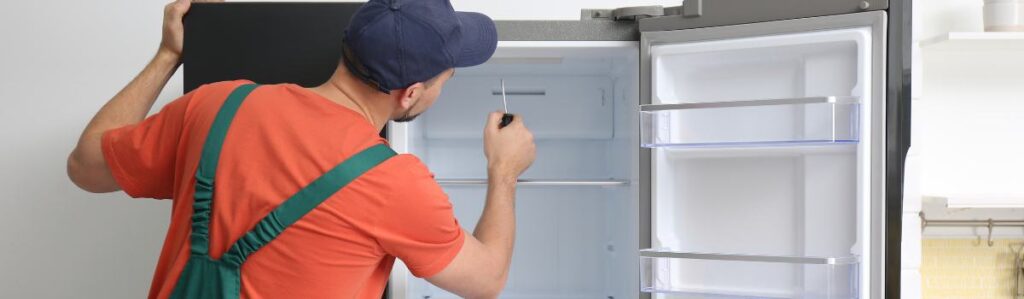
How Interior Damage Affects Your Refrigerator and How to Fix It
Keeping your refrigerator in good shape isn’t just about making it look nice. A well-maintained fridge works better, keeps food safe, and can last for years without expensive repairs or needing to be replaced. The inside of your fridge goes through a lot loading and unloading groceries, spills, changes in temperature, and even accidental bumps. Over time, these small things can add up and cause cracks, stains, or warped shelves.
While these problems might not seem like a big deal initially, they can cause bigger issues later. Interior damage can make it harder for your fridge to stay cold, leading to spoiled food and higher energy bills. This guide will help you spot damage, figure out how bad it is, fix it yourself if possible, and take steps to prevent it from happening again.
Recognizing Refrigerator Interior Damage
Your fridge is made to handle everyday use but is not indestructible. Interior damage can start small and worsen if you don’t address it early. Here are the main types of damage and what to watch for.
Common Types of Refrigerator Interior Damage
- Cracks and Holes: These can happen when heavy or sharp objects are stored improperly or if something is dropped or mishandled. Small cracks might not seem important, but they can spread and weaken your fridge’s structure.
- Discoloration: Stains from food spills, cleaning products, or exposure to harsh chemicals can change the interior color. While this doesn’t affect the fridge’s work, it can lead to bad smells or bacteria buildup.
- Warping: Moisture or temperature changes can cause shelves and walls to bend or buckle, making it harder to organize food or keep the fridge cool evenly.
Signs of Damage to Look For
- Cracks, gaps, or surfaces that look uneven.
- Shelves or drawers that don’t fit right or feel wobbly.
- Cooling problems, like some areas being too warm or too cold.
Why It’s Important to Fix Damage
If you ignore damage, it can lead to even bigger problems. Cracks and gaps can let cold air escape, making your fridge work harder and increasing energy bills. Discoloration and warping can also affect hygiene, causing bad odors or contamination. Fixing small issues early will save you time, money, and frustration later.
Assessing the Severity of the Damage
Not all damage is the same. Some issues are easy to fix, while others need a professional. Here’s how to tell the difference.
DIY vs. Calling a Professional
- Minor Damage: Small cracks, stains, or slight warping can usually be fixed with simple tools and a little effort.
- Major Damage: Large cracks, serious warping, or problems that affect the fridge’s cooling system need professional attention. Trying to fix these yourself could make things worse or void your warranty.
How to Inspect Your Fridge
- Unplug the fridge and remove all the food, shelves, and drawers.
- Look for cracks along the walls or seams.
- Check for bubbling or discoloration on the surfaces.
- Test shelves and compartments for stability.
If you notice unusual noises, constant condensation, or cooling problems, calling an expert is a good idea.
Tools and Materials You’ll Need
To repair minor damage, you’ll need the right tools. Here’s what to have on hand:
- Epoxy Resin: Great for sealing cracks and making durable repairs.
- Food-Grade Silicone Sealant: Safe for areas that touch food.
- Sandpaper: For smoothing surfaces before and after repairs.
- Putty Knife: Helps apply repair materials evenly.
- Liner Repair Kits: These are useful for fixing larger cracks or damaged sections.
Set up your tools before starting the repair to avoid interruptions.
Step-by-Step Guide to DIY Repairs
If the damage isn’t too severe, you can fix it yourself. Follow these steps:
Get Ready
- Unplug the fridge to avoid any electrical hazards.
- Clean the damaged area with mild soap and water, then let it dry completely.
- Lay down old towels or a sheet to protect your workspace.
Fix Small Cracks and Holes
- Apply epoxy resin or silicone sealant to the crack.
- Use a putty knife to spread it evenly and fill the crack.
- Let the repair dry for at least 24 hours (or as instructed).
- Sand the surface lightly to make it smooth.
Use a Liner Repair Kit for Larger Cracks
- Follow the kit’s instructions to cut and apply the patch.
- Press the patch firmly to remove any air bubbles.
- Smooth the edges and let it cure completely before using the fridge.
Preventing Future Damage
Keeping your fridge in good condition is easier than fixing it. Here are some tips:
- Clean Often: Wipe down the interior weekly with a gentle cleaner. Avoid harsh chemicals that can damage the surface.
- Don’t Overload Shelves: Spread weight evenly and avoid putting heavy items on shelves.
- Check Temperature and Seals: Keep the fridge at a consistent temperature and ensure the seals are tight to prevent moisture buildup.
- Inspect Regularly: Look for signs of wear and tear so you can fix small issues before they become big problems.
FAQs
Is it safe to use a cracked refrigerator?
Small cracks are usually fine if you fix them quickly. Bigger cracks can cause problems and should be repaired immediately.
How long does epoxy take to cure?
Most epoxies take 24 hours to dry completely but always check the instructions.
Should I repair or replace my fridge?
If repairs cost more than half the price of a new fridge, it’s usually better to replace it.
Conclusion
Your refrigerator does much work to keep your food fresh and safe. By fixing damage quickly and taking steps to prevent it, you can keep your fridge running efficiently for years. Whether it’s a small crack or a bigger issue, taking care of your fridge now will save you money and trouble later.
Remember, a little maintenance goes a long way!