
Bertazzoni Range Won’t Stay Lit: Troubleshooting and Repair
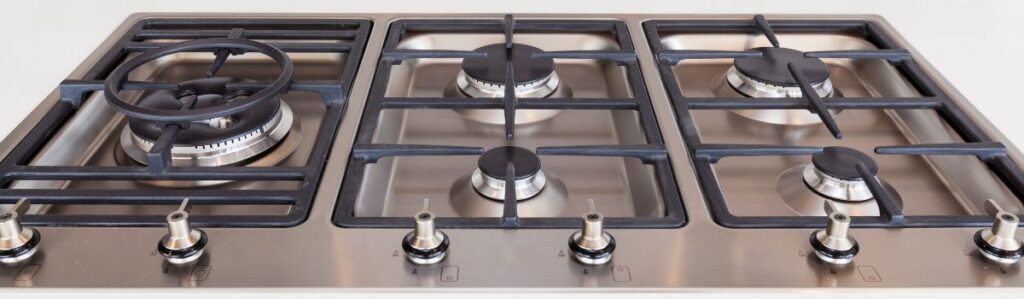
Simple Fixes for a Bertazzoni Range That Won’t Stay Lit
Imagine you’re ready to cook dinner, but your Bertazzoni range refuses to stay lit. It’s frustrating, isn’t it? The flame flickers out as soon as you light it, leaving you wondering what’s wrong. Don’t worry this is a common problem with gas ranges, and you can often fix it yourself.
When a range won’t stay lit, it’s usually because one of its main parts isn’t working properly. These parts include the igniter, burners, thermocouple, gas supply, and electrical system. In this guide, we’ll walk you through how these components work, why they might fail, and how you can fix the issue. By the end, you’ll know whether it’s a simple repair or needs professional attention.
How Your Bertazzoni Range Works
A combination of gas, air, and a spark powers your Bertazzoni range. These elements work together to produce the flame you cook with. Here’s how it all comes together:
- Burners: These are the parts where the flame appears. Gas flows through small holes in the burner (ports), mixes with air, and ignites to create a flame.
- Igniter: This device creates the spark to light the gas. It’s powered by electricity and makes a clicking sound when you turn the burner knob.
- Thermocouple: This safety feature senses if there’s a flame. If the flame goes out, the thermocouple shuts off the gas to prevent leaks.
- Gas Supply: This delivers the fuel needed for the flame. Valves and pressure systems ensure the right amount of gas flows to the burners.
- Electrical System: This powers the igniter and other components that help the range operate.
When you turn on your range, gas flows to the burner, and the igniter creates a spark to light it. If the thermocouple detects the flame, the gas keeps flowing. However, the range won’t stay lit if something interrupts this process, like a clogged burner or a faulty igniter.
Common Causes of a Range Not Staying Lit
Faulty Igniter
The igniter’s job is to create the spark that lights the gas. If it’s worn out or misaligned, you might hear a clicking sound without seeing a spark. Sometimes, the spark is too weak to light the flame, so it’s time to test or replace the igniter.
Clogged Burner Ports
Burner ports are the small holes where the gas comes out. Grease, food bits, or dirt can block these holes, stopping the gas from flowing properly. This can cause uneven flames or prevent the burner from lighting at all.
Malfunctioning Thermocouple
The thermocouple shuts off the gas if it doesn’t detect a flame. If it’s dirty, damaged, or out of place, it might shut off the gas even when there is a flame. This means the burner can’t stay lit.
Gas Flow Issues
The flame won’t be either if the gas supply isn’t steady. Low gas pressure, a partially closed valve, or a blocked gas line can all cause weak flames that flicker out.
Electrical Problems
The range’s electrical system powers the igniter. Loose wires, damaged connections, or a failed control board can prevent the igniter from working. If there’s no clicking sound when you turn on the burner, an electrical issue might be the cause.
Step-by-Step Troubleshooting Guide
Start with Safety
Before doing anything, make sure it’s safe to work on your range:
- Turn off the gas supply.
- Unplug the range from the electrical outlet.
- Gather tools like a screwdriver, a multimeter (to test electrical parts), a brush, and protective gloves.
Inspect and Clean the Burners
- Remove the burner caps and check the ports for clogs.
- Use a soft brush or a pin to gently clean out the holes.
- Avoid using harsh tools that could damage the burner.
- Once cleaned, back together the burner and ensure it’s aligned correctly.
Test and Replace the Igniter
- Turn on the burner and listen for a clicking sound. The igniter might be faulty if there’s no sound or no spark.
- Use a multimeter to test if the igniter has continuity (a continuous electrical path). If not, replace it with one that matches your range.
Check the Thermocouple
- Make sure the thermocouple is close enough to the flame to detect heat.
- If it’s dirty, clean it with a soft cloth.
- Test the thermocouple with a multimeter. If it’s damaged or doesn’t work, replace it.
Ensure Proper Gas Flow
- Inspect the gas line for blockages, kinks, or leaks.
- Make sure the gas valve is fully open.
- If the flame is still weak, the issue might be with the gas regulator, which may need professional inspection.
Inspect Electrical Connections
- Check the wiring around the igniter and control board.
- Look for loose or damaged wires and reconnect or replace them as needed.
- If the control board is damaged, you’ll need professional help to repair or replace it.
Preventive Maintenance for Your Bertazzoni Range
Preventing problems is easier than fixing them. Here are a few tips to keep your range in good shape:
- Clean the burners and igniter weekly to avoid buildup.
- Check gas lines and electrical connections every few months.
- Avoid spilling liquids on the burners to prevent clogs.
- Schedule an annual inspection with a professional to catch small problems before they become big.
FAQs
Why does my range spark but not light?
This usually means the burner is clogged or the igniter is faulty. Cleaning the burner and testing the igniter should fix it.
What tools do I need for troubleshooting?
For most fixes, you’ll need a screwdriver, multimeter, soft brush, and cleaning supplies.
How do I know if the thermocouple is the problem?
The thermocouple might be dirty or broken if the flame lights but goes out quickly.
Conclusion
A Bertazzoni range that won’t stay lit is frustrating, but in most cases, it’s a fixable problem. Whether you need to clean a clogged burner, replace a worn-out igniter, or adjust the thermocouple, these steps will help you get your range working again. For complex issues, don’t hesitate to call a professional. With regular maintenance, you can keep your range running smoothly for years.