
Resolving Maytag Dryer Not Heating
Fixing a Maytag Dryer That Won’t Heat
Maytag dryers are usually dependable, but heating issues can still pop up. These problems are often due to a few main parts: the heating element, fuses, thermostats, or gas valves if you have a gas dryer.
Sometimes, clogged vents or settings can also affect how well your dryer heats. This guide will help you understand what might be causing the issue and how to solve it, keeping your dryer working at its best.
Pre-Troubleshooting Checklist
Start with these basic checks to see if they solve the problem before looking into specific parts.
Power and Settings Check
Make sure your dryer is plugged in all the way and getting power. Sometimes, a tripped circuit breaker is all that’s behind heating issues. Check your home’s breaker box to see if any switches have flipped. Also, remember that electric dryers need a 240-volt outlet to produce enough heat.
Next, check the dryer settings. Some cycles, like “Air Fluff,” don’t use heat, so you’ll want to ensure it’s set to a heated setting. Often, just switching to the correct setting can solve the problem.
Vent and Lint Screen Check
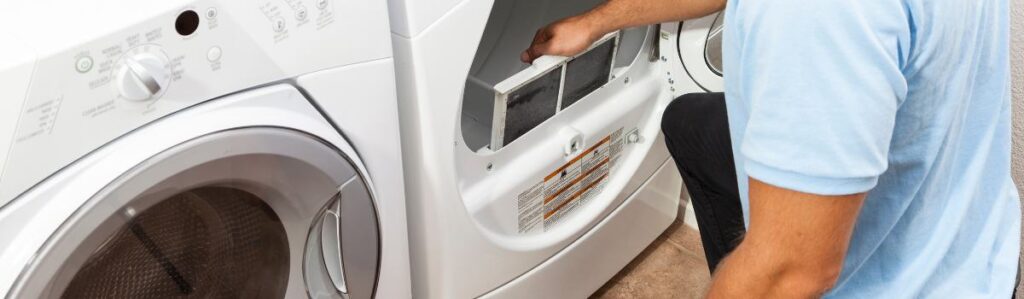
Proper airflow is crucial for your dryer to work well. A blocked vent or lint screen can cause the dryer to overheat, automatically shutting off the heating element. Clean the lint screen after every load and check the vent that leads outside. If there’s lint buildup, clear it out to improve heating and lower the risk of fires.
Common Causes of Heating Issues in Maytag Dryers
If these quick checks don’t solve the issue, let’s look at some parts that might be the problem.
Heating Element Failure
The heating element is a coil that warms the air before it enters the drum. Over time, this coil can wear out, making it unable to heat. If your dryer runs but doesn’t dry the clothes, the heating element might need to be replaced.
To test the heating element:
- Use a multimeter to check for continuity.
- If the element isn’t working, replace it by unplugging the dryer, removing the back panel, and switching it out for a new one.
- Handle the heating element carefully, as it can be sensitive.
Blown Thermal Fuse
The thermal fuse is a small part that stops the dryer from overheating by cutting off power if it gets too hot. A blown thermal fuse could be the issue if the dryer isn’t heating or running. To check it, use a multimeter; if it has no continuity, it needs to be replaced.
Replacing the fuse is straightforward, but make sure to also check for reasons it might have blown, like a blocked vent or overloading the dryer.
High-Limit Thermostat Malfunction
This thermostat monitors the dryer’s temperature to prevent overheating. If it’s faulty, it might shut off the heating element too soon, leaving your clothes damp. If your dryer stops heating midway or gets extremely hot, test the high-limit thermostat.
If it doesn’t work, unplug the dryer, locate the thermostat near the heating element, and replace it.
Cycling Thermostat Issue
The cycling thermostat controls the dryer’s heat cycles, turning the heating element on and off to maintain a steady temperature. If it fails, your dryer might need help to keep consistent heat. Test the thermostat; if it’s not working, replace it to restore normal drying.
Gas Dryer Specific Issues
If you have a gas dryer, other parts could be the issue:
- Gas Valve Solenoids: These control gas flow. If they’re faulty, the dryer might heat up briefly but won’t maintain heat.
- Igniter: This part lights the gas to create heat. If it fails, the dryer won’t heat up at all.
- Flame Sensor: This sensor detects the flame to keep the gas flowing. If it’s broken, the gas valve may shut off too soon.
Since these repairs involve gas, it’s wise to call a professional if you’re unsure.
Additional Issues That Might Affect Heating
Control Board and Timer Malfunctions
The control board and timer manage the dryer’s functions. If they break, your dryer might have random heating problems or won’t heat at all. Signs of control board or timer issues include interrupted cycles or no response to settings. If you suspect a control board problem, it’s usually best to replace it, as repairs on these parts can be tricky.
Wiring and Connections
Loose or damaged wires can affect the dryer’s heating functions. Over time, vibrations from use can cause connections to come loose. Carefully inspect the wires around the heating element and thermostats. Reconnect any loose wires or replace damaged ones, but always unplug the dryer before handling electrical components.
Advanced Troubleshooting Tips
Using Diagnostic Codes
Many newer dryers have diagnostic codes that identify specific problems. Check your dryer’s manual to interpret these codes. They can guide you to the exact part that’s causing the problem, saving you time and preventing unnecessary repairs.
Detailed Checklist for Each Component
Create a checklist to keep track of what you’ve checked or replaced. This will ensure you don’t miss anything as you troubleshoot each part. Going step-by-step can help avoid guesswork and make repairs more efficient.
Preventive Maintenance to Avoid Future Heating Issues
Routine Vent Cleaning
Set a schedule to clean your dryer vent every few months. Lint buildup is one of the main causes of overheating and heating issues. Regular cleaning improves airflow and keeps the dryer running efficiently.
Regularly Check and Clean the Lint Screen
Cleaning the lint screen after each load is a small but important step. It improves drying times and reduces the chance of overheating, so make it a habit to keep the lint screen clear.
Inspect Components Periodically
Check components like the heating element, fuses, and thermostats every few months. This simple checkup can catch issues early and prevent bigger problems down the road.
Conclusion
Fixing heating issues in your Maytag dryer doesn’t have to be complicated. You can often find the problem and get your dryer working again by following these steps. Regular maintenance and quick action when issues arise can keep it in shape. And if things get too complex, professional help is always a good option to ensure your appliance stays in great condition for years.