
How to Fix LG Washing Machine Drainage Problems
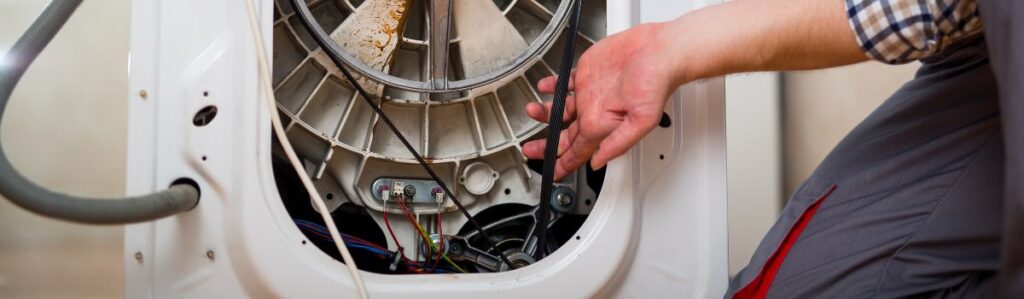
Drainage Problems in LG Washing Machine
If your LG washing machine isn’t draining properly, you’re probably dealing with water left in the drum or cycles that won’t finish.
This can be frustrating, but the good news is that most drainage problems are fixable with some basic troubleshooting and regular maintenance.
Fixing these issues early on can prevent bigger problems, like damage to your washer or expensive repairs.
In this guide, we’ll go over the main causes of drainage problems, how to troubleshoot them, and some maintenance tips to keep your washer working smoothly.
By the end, you’ll know how to handle drainage issues and prevent them from returning.
Common Causes of Drainage Problems
Clogged Drain Filter
The drain filter catches things like lint, hair, and detergent residue before they can clog up your washer’s drainage system. Over time, this filter can get clogged, slowing down or even stopping the water flow. Regularly cleaning the filter is important and can significantly affect how well your washer drains.
To clean the filter, remove it from the machine, remove any debris, and rinse it with warm water. Let it dry completely before putting it back in. This simple step can prevent many drainage issues.
Blocked or Kinked Drain Hose
The drain hose carries wastewater out of your washing machine, but it can get blocked or kinked if it’s squeezed into a tight space. A kinked hose restricts water flow, while a blockage from dirt or detergent buildup can completely stop drainage, sometimes causing an error code to appear.
To prevent this, ensure the hose is straight and kinks-free. Set it up so a gentle slope helps water flow out of the machine naturally. If you think there’s a blockage, disconnect the hose, flush it with water, and remove any obstructions before reconnecting it.
Faulty Drain Pump
The drain pump pushes water out of the machine after each wash cycle, but it can get clogged with debris or wear out over time. If the pump is having trouble, you might notice strange noises, slow drainage, or no drainage.
To check the pump, listen to how it sounds. A healthy pump makes a steady, gentle sound, while a faulty pump might grind or sound uneven. Cleaning the pump could help, but you may need to replace it if it’s seriously damaged.
Unbalanced Washer Load
Did you know that an unbalanced load can also cause drainage issues? If clothes are packed unevenly in the drum or if the drum is overloaded, the washer’s spin cycle won’t work as well, which can affect drainage. Overloading the washer or placing all the heavy items on one side can block water from draining properly and may trigger an error code, like UE.
To prevent this, try to distribute clothes evenly in the drum and avoid overloading the machine. If you’re washing a large item, like a blanket, consider washing it alone. Balancing the load helps with drainage and protects your washer’s drum and motor.
Using the Wrong Detergent
High-efficiency (HE) detergents make fewer suds, which is important for washers like LGs that are designed to use less water. Regular detergent in an HE washer can create too many suds, clogging the drainage system. Also, using too much detergent, even HE, can leave behind a sticky residue that blocks filters and hoses.
Ensure you’re using HE detergent and follow the instructions for how much to use. This small adjustment can prevent drainage issues and keep your washer working properly.
Troubleshooting Drainage Problems Step-by-Step
Safety First
Before starting any repairs, unplug the washer to avoid electric shock. Wear gloves since you may be handling dirty filters and hoses. Gather any tools you might need, like a screwdriver, a bowl for catching water, and a cloth. Preparing for a few minutes can make your repair work safer and easier.
Cleaning the Drain Filter
Start by locating the drain filter, usually at the washer’s bottom. Place a bowl or towel underneath it to catch any water before you open the filter compartment. Remove any debris, remove the filter, rinse it with warm water, and ensure it’s completely clean before putting it back. Doing this regularly can help with drainage.
Checking the Drain Hose
The drain hose connects your washer to the plumbing, so even a small kink or blockage can cause drainage issues. Look for kinks, which can happen if the machine is too close to the wall. Carefully detach the hose and run water through it to clear any clogs. When reattaching, make sure there’s a slight incline to help the water drain.
Testing the Drain Pump
Listen to the drain pump during the drain cycle to check its condition. A working pump makes a consistent, gentle sound, while a clogged or broken pump might sound strange or stop altogether. If you need to remove and clean the pump, check your manual for instructions. If cleaning doesn’t help, you may need to replace it.
Adjusting the Washer Load
Try to spread clothes evenly around the drum to keep the load balanced. Avoid washing heavy items with lighter ones, which can throw off the spin cycle and affect drainage. If you’re washing items with different weights, pause the cycle halfway through to adjust for balance.
Using the Correct Detergent
Always use HE detergent in LG washers, and use the recommended amount. Too much detergent can clog the drainage system and shorten your washer’s life by causing buildup inside. This small step can go a long way in keeping your machine efficient.
LG Washer Error Codes Related to Drainage
OE Error Code
The OE code usually means there’s a drainage problem. A blocked filter or hose, or sometimes a faulty pump, can cause this. Start by cleaning the drain filter and checking the hose for any kinks or blockages.
UE Error Code
The UE code usually means your washer has an unbalanced load, which can interfere with drainage and spinning. To prevent this code from showing up, try redistributing clothes evenly and avoid washing heavy loads.
IE Error Code
The IE code mostly concerns water entering the machine, but it can sometimes affect drainage. Check the water inlet valve and make sure it’s working.
Other Error Codes
Check your washer’s manual for other codes related to drainage. Small adjustments can usually fix these codes, but if the problem keeps coming back, it might be time to call a professional.
Preventive Maintenance Tips to Keep Your Washer Draining Well
Regular Cleaning Schedule
Set a schedule to clean your washer’s filter and check hoses monthly. Regular cleanings help prevent clogs and keep water flowing smoothly, which can make a big difference over time.
Inspecting Hoses and Connections
Check hoses for cracks, wear, or clogs every few months. This helps catch potential problems early and keeps your washer in good shape.
Using the Right Detergent and Load Sizes
Using the correct detergent and avoiding overloaded cycles helps prevent detergent residue from building up, which can clog your machine. Following these steps keeps your washer in top condition.
Conclusion
Following these steps, you can fix and prevent common drainage problems in your LG washer. Regular maintenance and balanced loads keep your washer working efficiently and lasting longer. With some care and simple troubleshooting, you can keep your LG washing machine in top shape for years to come.